Food & Kitchen Essentials for Your GLP-1 Lifestyle
Protein-Rich Foods for Your GLP-1 Diet
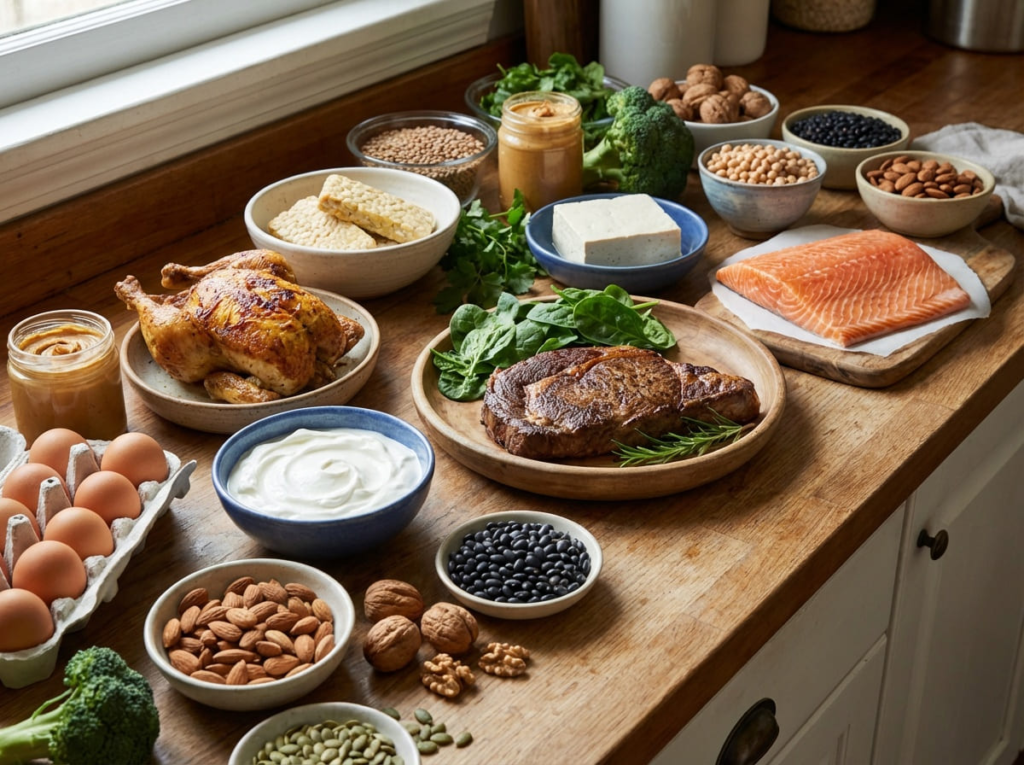
Protein becomes your top priority on GLP-1s because you’re eating way less overall, and you need to preserve muscle mass. Stock up on foods that deliver high protein in small portions.
Must-have proteins:
- Greek yogurt (plain, nonfat) – buy at least 4-6 single-serve containers
- Eggs (2 dozen to start)
- Chicken breast (2 lbs, fresh or frozen)
- Canned tuna or salmon (4-6 cans in water, not oil)
- Deli turkey or chicken slices (low sodium)
- String cheese or Babybel cheese
- Cottage cheese (low-fat)
- Protein powder (whey isolate or plant-based) – one container
Why these work: They’re all easy to digest, high in protein, and simple to prepare when you’re not feeling great. You can eat them cold, which helps when hot food smells trigger nausea.
Nausea-Friendly Staples
These are the foods that sit well when your stomach is unsettled and your appetite has vanished.
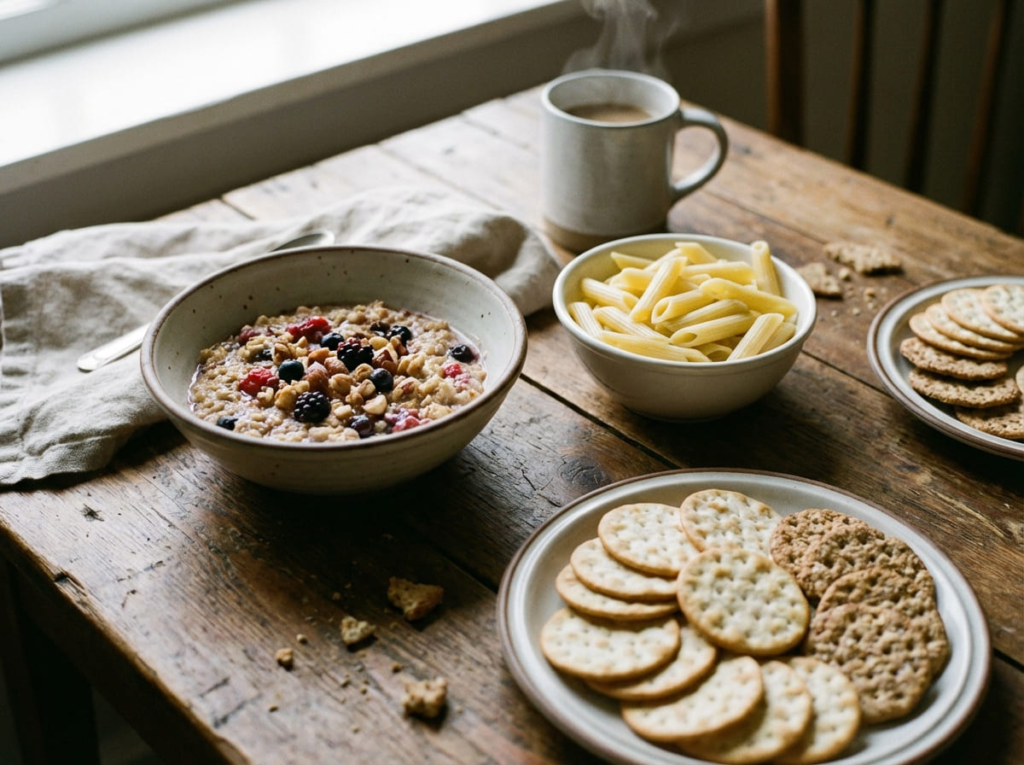
Bland carbs:
- Saltine crackers (multiple boxes – keep them everywhere)
- Plain white rice or instant rice packets
- Plain oatmeal (not the flavored packets)
- White bread or whole wheat bread
- Plain pasta
Gentle fruits:
- Bananas (buy a few bunches at different ripeness levels)
- Applesauce (unsweetened, individual cups)
- Watermelon or cantaloupe (pre-cut if available)
- Frozen berries (for smoothies)
Easy vegetables:
- Baby carrots
- Cucumber
- Pre-washed spinach or mixed greens
- Frozen broccoli and green beans (easier than fresh when you don’t feel like cooking)
Liquids and broths:
- Low-sodium chicken or vegetable broth (multiple cartons)
- Ginger tea (buy fresh ginger root plus ginger tea bags)
- Peppermint tea
- Electrolyte drinks (sugar-free options like Nuun or Liquid IV)
Other staples:
- Natural peanut or almond butter
- Honey
- Plain crackers or rice cakes
Why these work: These foods are bland, easy to digest, gentle on your stomach, and most can be eaten cold or room temperature. When you feel nauseated, these are what you’ll reach for.
Small Containers for Portions
Your meal portions are about to get way smaller. Restaurant meals and home-cooked dinners will now feed you 2-3 times instead of once.
What to buy:
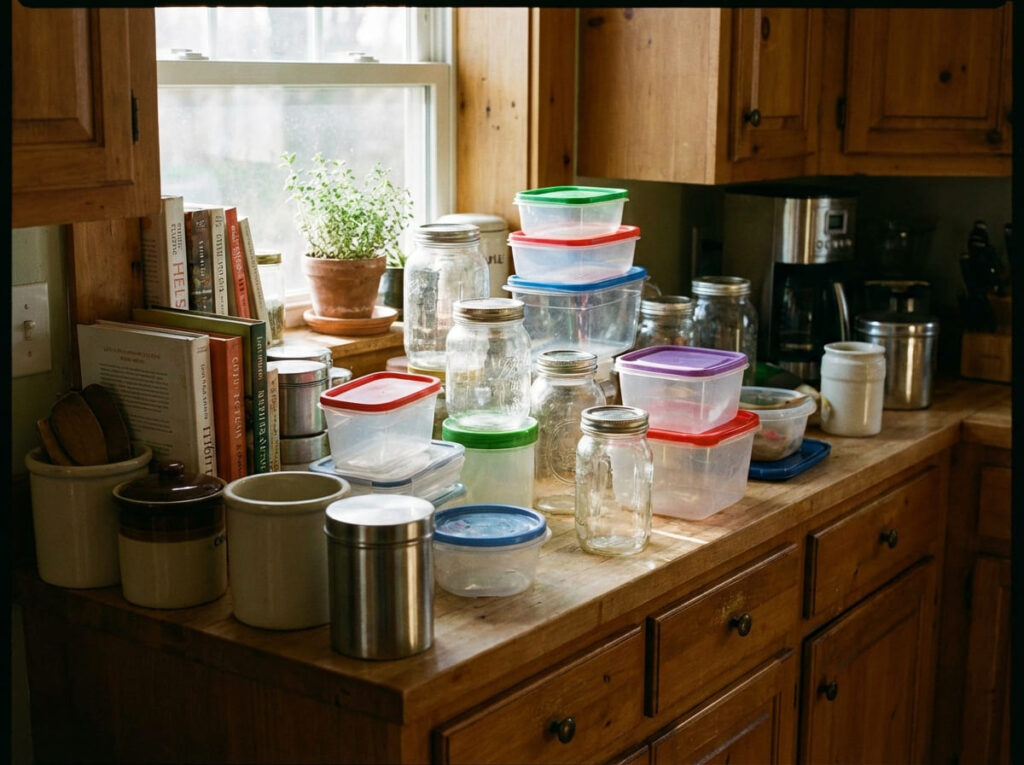
- Glass or plastic food storage containers (8-12 small containers, 1-2 cup size)
- Small snack-size containers or reusable bags
- Small plates (salad-size, not dinner-size)
- Small bowls (cereal bowl size or smaller)
Why this matters: Storing leftovers in small portions makes it easy to grab the right amount later. Using smaller plates makes appropriate portions look more satisfying visually instead of depressing.
Recommended Supplies for Your GLP-1 Lifestyle
Sharps Container
You cannot throw used needles in the regular trash. It’s unsafe and illegal in most places. You need a proper sharps container for medical waste.
What to know: Some GLP-1 providers (like Ro, Hims, and certain compounding pharmacies) include a sharps container with your first shipment. Check what’s included before you buy one separately.
If your provider doesn’t include one, buy a sharps container before your first injection. They’re available at any pharmacy or on Amazon for $8-15. Get one that holds at least 1 quart if you’re using auto-injector pens, as they take up more space than regular syringes.
Where to keep it: Store it somewhere convenient but out of reach of children and pets. When it’s about two-thirds full, seal it and check with your pharmacy, doctor’s office, or local waste management about disposal options in your area.
Measuring Tools
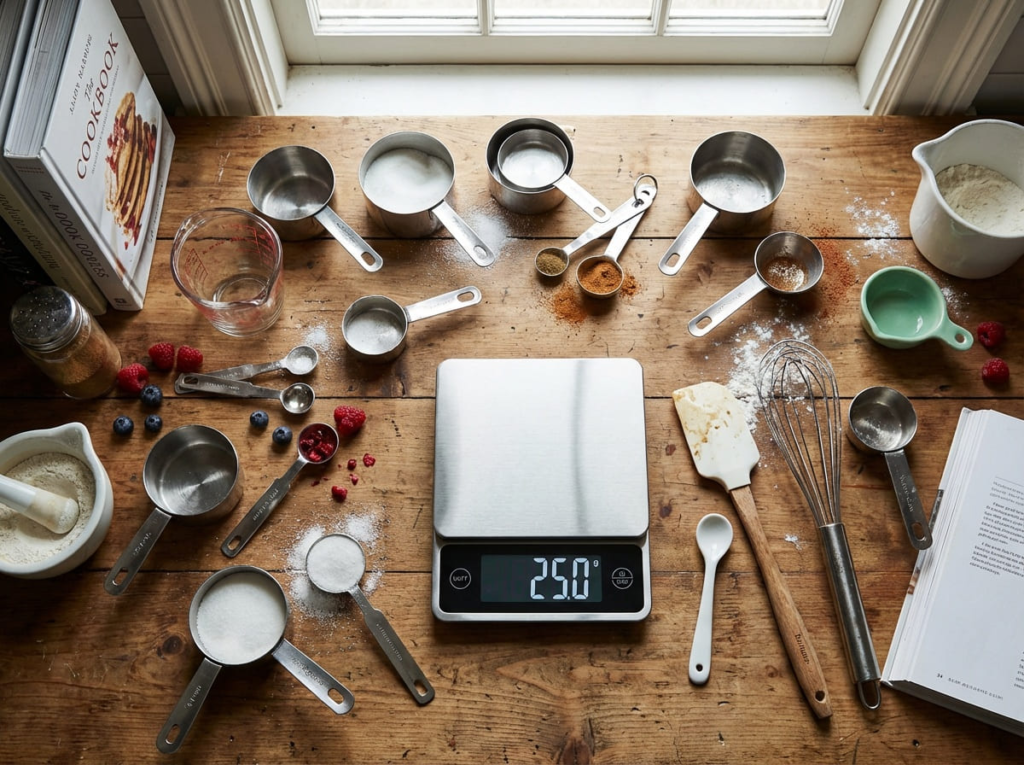
When your appetite signals are gone and portions matter more than ever, measuring helps you get adequate nutrition without accidentally overeating and feeling sick.
What to buy:
- Measuring cups (1/4, 1/3, 1/2, and 1 cup)
- Measuring spoons
- Digital food scale (optional but helpful)
Why measuring helps: Early on, you won’t have a good sense of what appropriate portions look like. Measuring takes the guesswork out. A food scale is especially useful for protein portions since “3-4 oz of chicken” is hard to eyeball accurately.
Food Tracking App (Free)
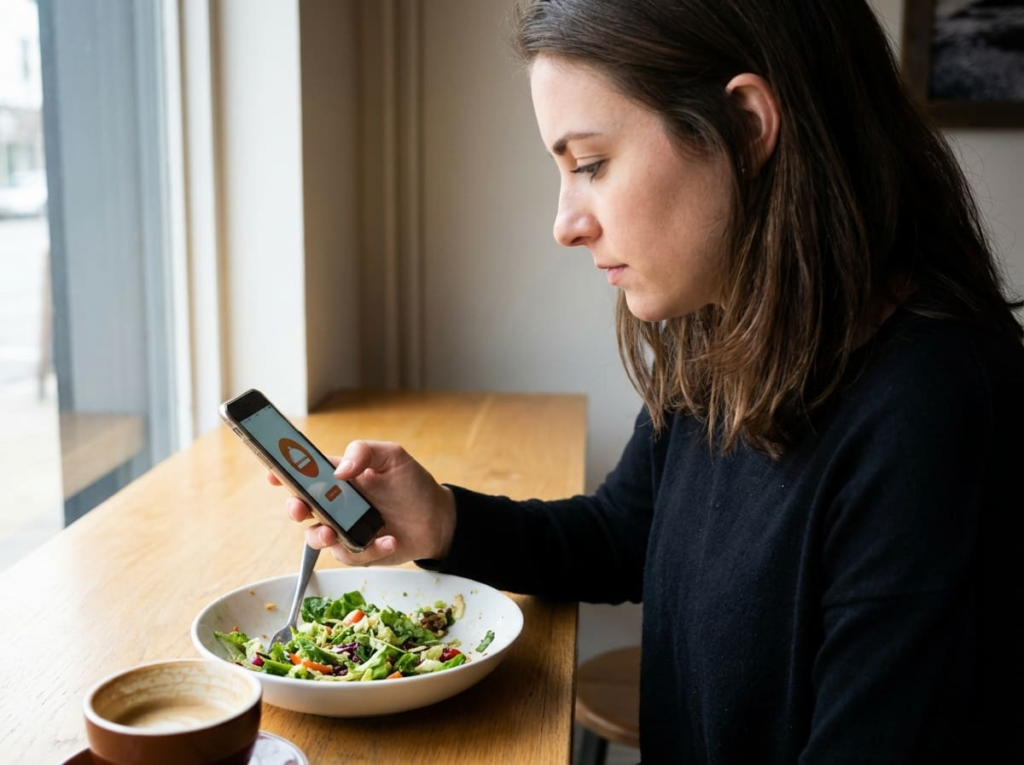
Not technically something to buy, but download a food tracking app before you start. MyFitnessPal, Cronometer, or Lose It all work well.
Why track initially: Most people drastically underestimate their protein intake and overestimate their total calories when they’re not tracking. Using an app for the first few weeks shows you exactly what you’re eating and helps you identify gaps.
You don’t have to track forever, but tracking for weeks 1-4 gives you valuable data about whether you’re getting enough protein and calories.
Supplements (Check with Your Doctor First)
Don’t start any supplements without discussing them with your healthcare provider, especially if you take other medications. That said, these are commonly recommended for people on GLP-1s.
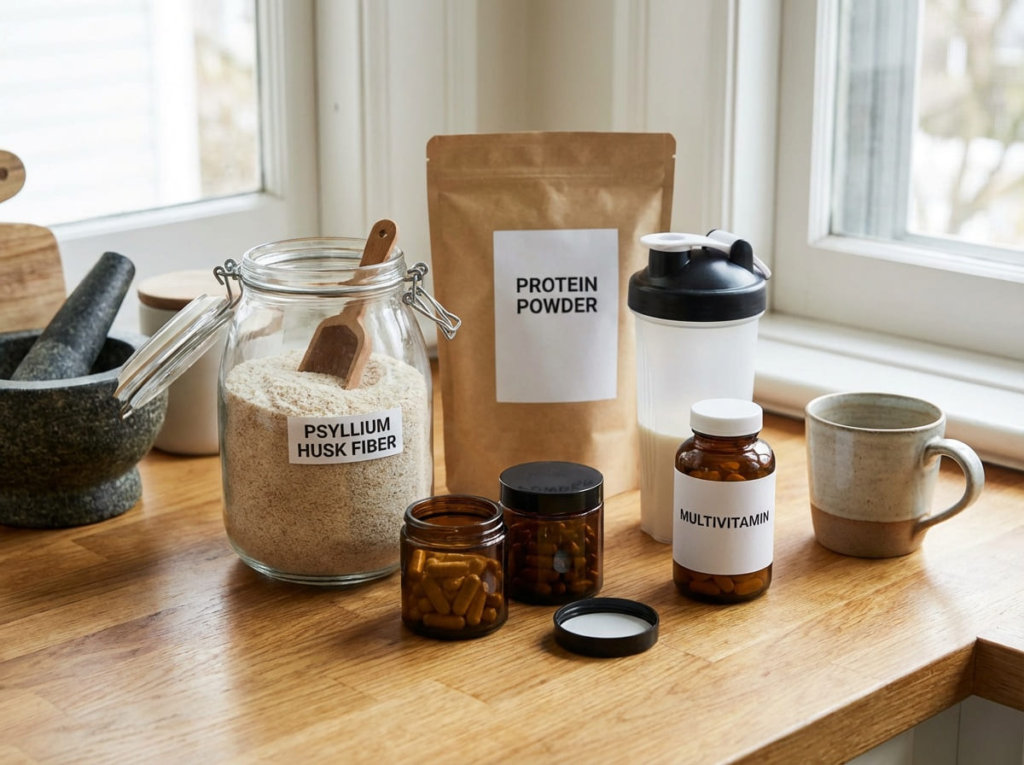
Multivitamin
Why it helps: When you’re eating 40-50% fewer calories than before, you might not get all essential vitamins and minerals from food alone. A basic multivitamin fills nutritional gaps.
What to buy: Any standard daily multivitamin works. Gummy vitamins are easier on sensitive stomachs than large pills. Look for one with B vitamins, vitamin D, and iron.
Fiber Supplement
Why it helps: Constipation is one of the most common GLP-1 side effects. Many people don’t eat enough fiber when their appetite is suppressed.
What to buy: Options include:
- Psyllium husk (Metamucil) – most effective but can cause gas
- Methylcellulose (Citrucel) – gentler, less gas
- Acacia fiber powder – dissolves completely, well-tolerated
Important: Don’t start fiber supplements until you’re also drinking plenty of water. Fiber without adequate hydration makes constipation worse, not better.
Protein Powder
Why it helps: On days when solid food sounds terrible, protein shakes provide an easy way to meet protein goals. Liquid nutrition is often easier to consume when nauseated.
What to buy:
- Whey protein isolate if you tolerate dairy (25-30g protein per scoop)
- Pea protein, rice protein, or hemp protein for plant-based options
- Unflavored or vanilla works best (flavored varieties can be too sweet when nauseated)
How to use it: Mix with water, unsweetened almond milk, or add to smoothies with frozen berries and banana.
Magnesium Citrate
Why it helps: Magnesium citrate specifically helps with constipation by drawing water into your intestines. It’s gentler than stimulant laxatives.
What to buy: 200-400mg tablets of magnesium citrate (not oxide or glycinate, which work differently). Take before bed.
Check first: Ask your doctor before starting magnesium if you have kidney issues or take other medications.
GLP1-1 Shopping Checklist
Copy this list to your phone or print it out before you head to the store:
Proteins:
- [ ] Greek yogurt, plain (6+ containers)
- [ ] Eggs (2 dozen)
- [ ] Chicken breast (2 lbs)
- [ ] Canned tuna/salmon (4-6 cans)
- [ ] Deli turkey (1 lb)
- [ ] String cheese or Babybel
- [ ] Cottage cheese
- [ ] Protein powder (1 container)
Nausea-Friendly Foods:
- [ ] Saltine crackers (3+ boxes)
- [ ] White rice or instant rice
- [ ] Plain oatmeal
- [ ] Bread (white or whole wheat)
- [ ] Plain pasta
- [ ] Bananas (several)
- [ ] Applesauce cups (6-pack)
- [ ] Watermelon or cantaloupe
- [ ] Frozen berries
- [ ] Baby carrots
- [ ] Cucumbers
- [ ] Spinach or mixed greens
- [ ] Frozen broccoli
- [ ] Frozen green beans
Pantry Items:
- [ ] Low-sodium chicken broth (2-3 cartons)
- [ ] Fresh ginger root
- [ ] Ginger tea bags
- [ ] Peppermint tea
- [ ] Natural peanut or almond butter
- [ ] Honey
- [ ] Olive oil
Supplies:
- [ ] Sharps container (if not included by provider)
- [ ] Small food storage containers (8-12)
- [ ] Small plates and bowls
- [ ] Measuring cups
- [ ] Measuring spoons
- [ ] Food scale (optional)
Supplements (ask doctor first):
- [ ] Multivitamin
- [ ] Fiber supplement
- [ ] Magnesium citrate
Download:
- [ ] Food tracking app (MyFitnessPal, Cronometer, or Lose It)
What NOT to Buy (Save Your Money)
Don’t waste money on things you won’t need or that won’t help during your first month.
Fancy GLP-1 meal replacement shakes: Basic protein powder does the same job for way less money. Those expensive “medical grade” shakes aren’t necessary but can be convenient if your budget allows. Skip these if you want to save money.
Large quantities of any one food: Don’t buy a 5-pound bag of chicken or cases of Greek yogurt. You might develop sudden aversions to foods you normally love. Buy moderate amounts of several different proteins instead.
Lots of fresh produce that spoils quickly: Stick with frozen vegetables and fruits that last longer. When you’re nauseated, fresh produce often goes bad before you eat it.
Exercise equipment or gym memberships: Month 1 isn’t about crushing workouts. You’ll likely be tired and adjusting. Walking is enough. Don’t invest in equipment or memberships you won’t use yet.
Weight loss supplements or fat burners: The GLP-1 is handling weight loss. You don’t need additional supplements promising to “boost results.” They’re a waste of money and might interact with your medication.
Expensive probiotic supplements: Unless your doctor specifically recommends them, skip fancy probiotics. Plain yogurt with live cultures provides probiotics if you want them.
Final Tips Before You Shop
Shop when you feel good. Don’t wait until after your first injection when you might be feeling nauseated. Get everything ready beforehand.
Don’t overbuy initially. Get enough for week 1-2, then reassess based on what you’re actually eating and tolerating. You’ll have a better sense of your needs after the first week.
Choose convenience over perfection. Pre-cut vegetables, rotisserie chicken, and frozen options cost more but save energy when you’re not feeling great. That’s worth it during adjustment.
Keep receipts. If you try a protein powder or food that makes you feel sick, you can often return unopened items to most stores.
Batch prep when possible. Before your first injection, cook and portion some proteins, hard-boil eggs, and prep some vegetables. Future-you will be grateful.
Having the right supplies and foods on hand before you start takes away so much stress from that first week. You won’t be figuring out what to eat while nauseated or realizing at 9 PM you have nowhere to put a used needle.
One trip to the grocery store and maybe an Amazon order gets you everything you need. Then you can focus on adjusting to the medication instead of scrambling to get basics you should have had from day one.
More GLP-1 Lifestyle Resources