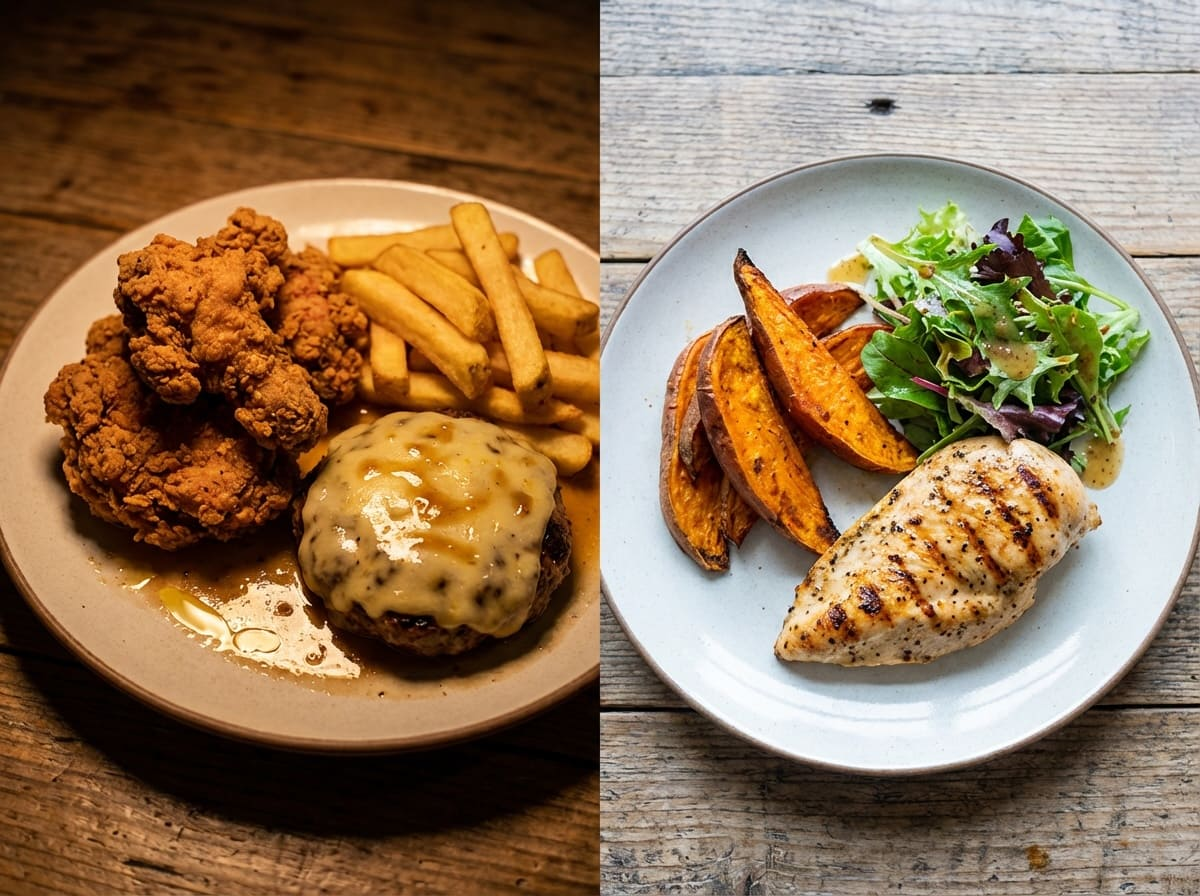
Best Lean Proteins for GLP-1 Diets (Top 10 Foods
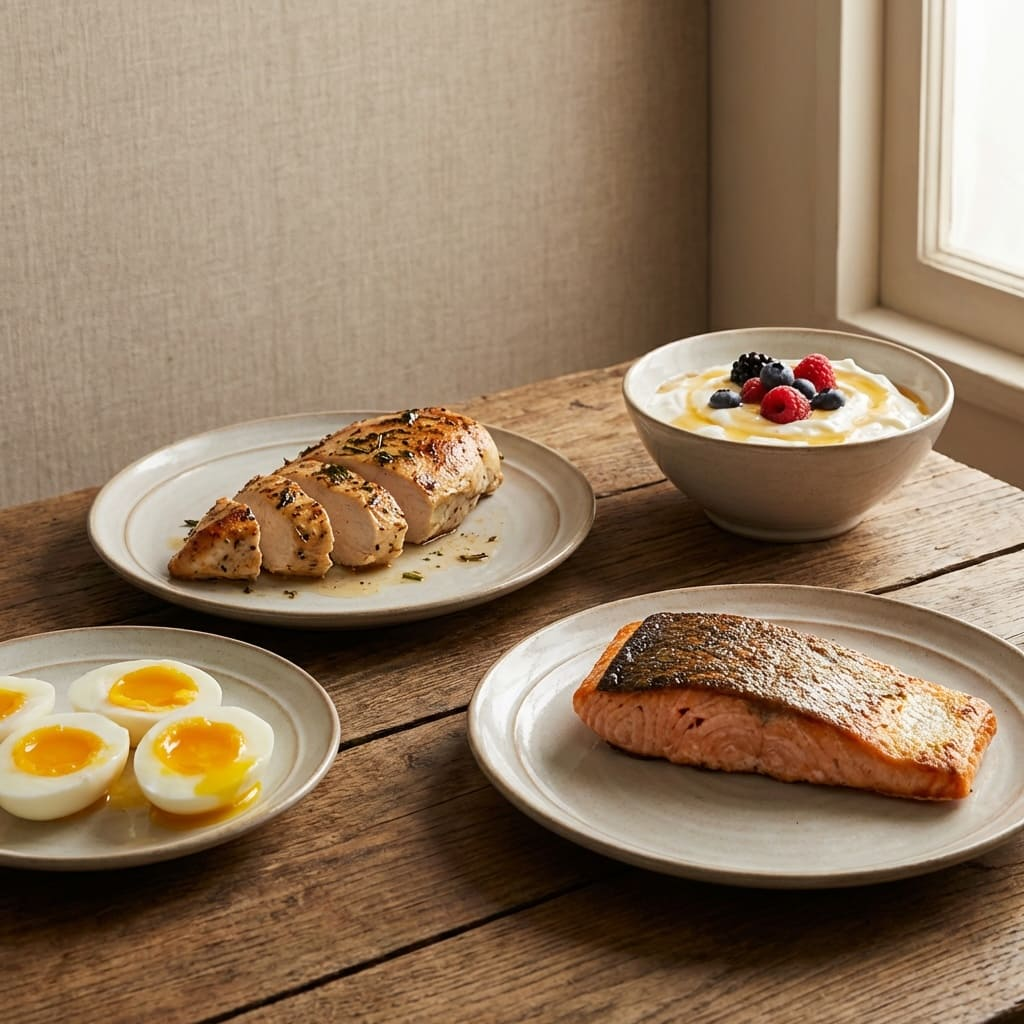
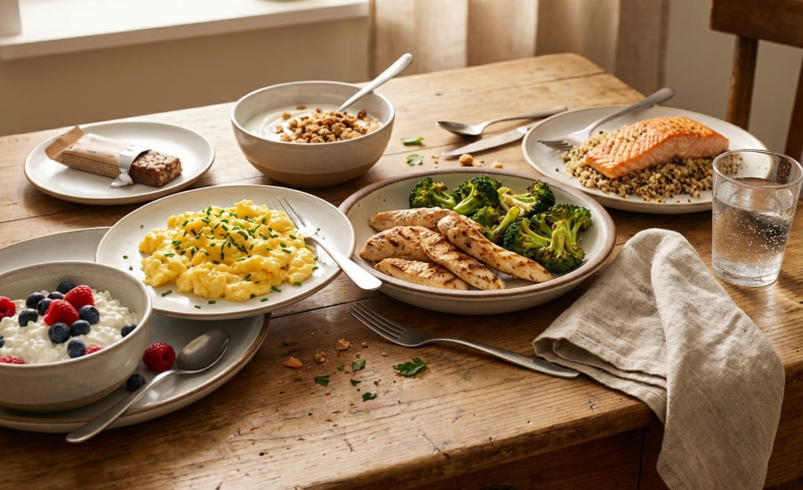
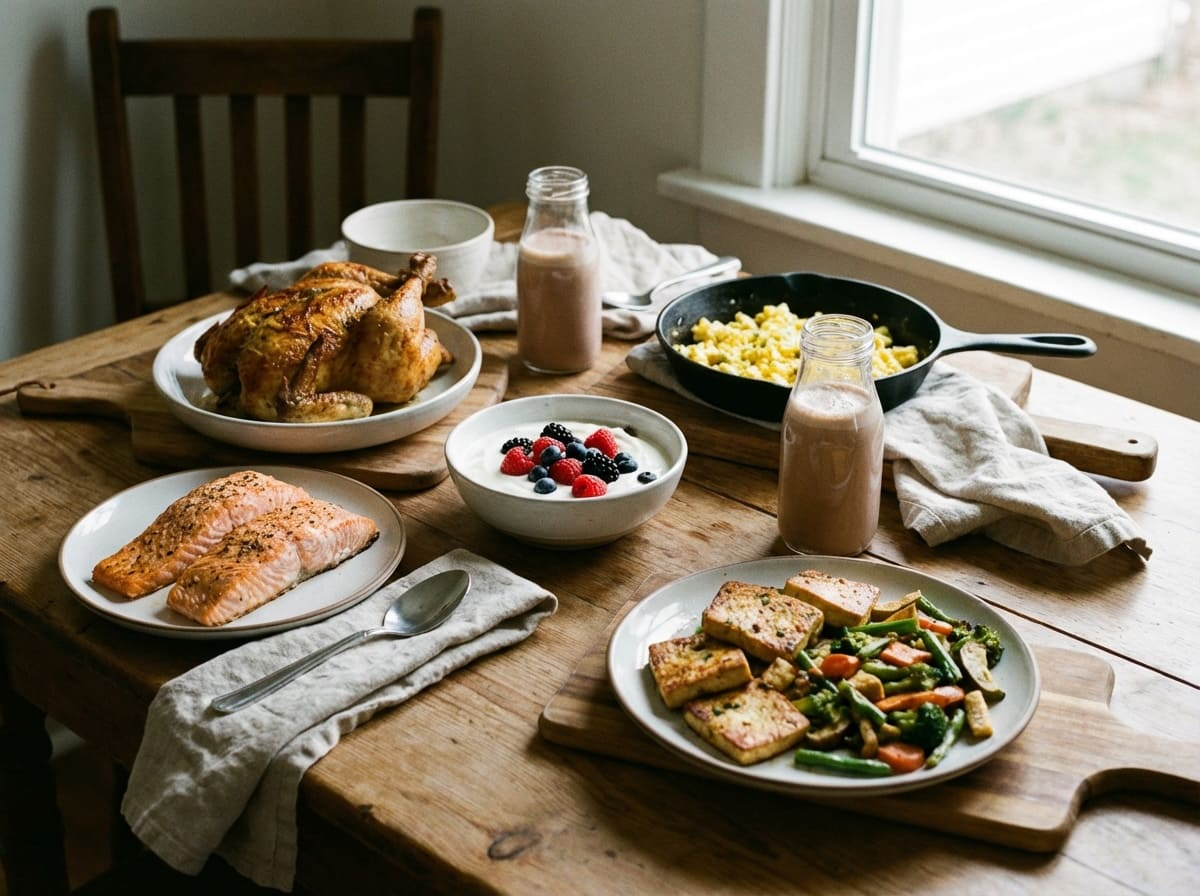
Protein becomes your best friend on GLP-1s. Research shows that people on these medications should aim for 60-100 grams of protein daily to preserve muscle mass during weight loss. Since you’re eating smaller portions, choosing the leanest, most digestible proteins makes a significant difference.
- Greek Yogurt (Plain, Nonfat)
Serving size: 3/4 cup (150g)
Protein per serving: 15-20g
Greek yogurt gives you nearly double the protein of regular yogurt with a smooth texture that’s easy on sensitive stomachs. The probiotics support gut health, which can be beneficial when managing GLP-1 digestive side effects. Choose plain varieties and add your own fruit to control sugar intake.
- Chicken Breast (Skinless)
Serving size: 3-4 oz (85-115g)
Protein per serving: 26-35g
Boneless, skinless chicken breast is one of the most protein-dense foods with minimal fat. Cooking methods matter here. Baking, grilling, or using a slow cooker keeps the meat tender and easier to digest than pan-frying.
- White Fish (Cod, Halibut, Tilapia)
Serving size: 4 oz (115g)
Protein per serving: 20-25g
White fish varieties are incredibly gentle on your stomach and digest quickly. They’re also naturally low in fat, which helps if you’re experiencing GLP-1-related nausea. The mild flavor makes them versatile for different preparations.
- Eggs
Serving size: 2 large eggs
Protein per serving: 12-14g
Eggs are nutrition powerhouses, delivering complete protein plus essential vitamins like B12, choline, and selenium. Many GLP-1 users find scrambled or soft-boiled eggs easier to tolerate than fried versions.
- Cottage Cheese (Low-Fat)
Serving size: 1/2 cup (115g)
Protein per serving: 12-14g
Cottage cheese offers high protein with a soft, easily digestible texture. The casein protein digests slowly, which can help you feel satisfied longer between meals. Mix with cucumber or tomatoes for added nutrients and flavor.
- Turkey Breast (Lean, Skinless)
Serving size: 3-4 oz (85-115g)
Protein per serving: 25-33g
Turkey breast rivals chicken for protein density while offering slightly different micronutrients, including higher selenium levels. Ground turkey (93% lean or higher) works well for meal prep and freezes beautifully.
- Shrimp
Serving size: 3 oz (85g)
Protein per serving: 20g
Shrimp delivers exceptional protein with almost no fat or carbs. The texture is tender and easy to chew thoroughly, which helps with digestion. Plus, shrimp cooks in minutes, making it ideal for quick meals.
- Tofu (Firm or Extra-Firm)
Serving size: 3 oz (85g)
Protein per serving: 8-10g
For plant-based protein, tofu is versatile and gentle on your digestive system. Press it well before cooking to improve texture. Tofu also provides calcium and iron, nutrients that can be harder to get when eating less overall.
- Protein Powder (Whey or Plant-Based)
Serving size: 1 scoop (typically 30g powder)
Protein per serving: 20-25g
On days when solid food feels challenging, protein shakes offer an efficient way to hit your protein targets. Look for options with minimal added sugars and avoid artificial sweeteners that might worsen GI symptoms.
- Salmon
Serving size: 3-4 oz (85-115g)
Protein per serving: 22-29g
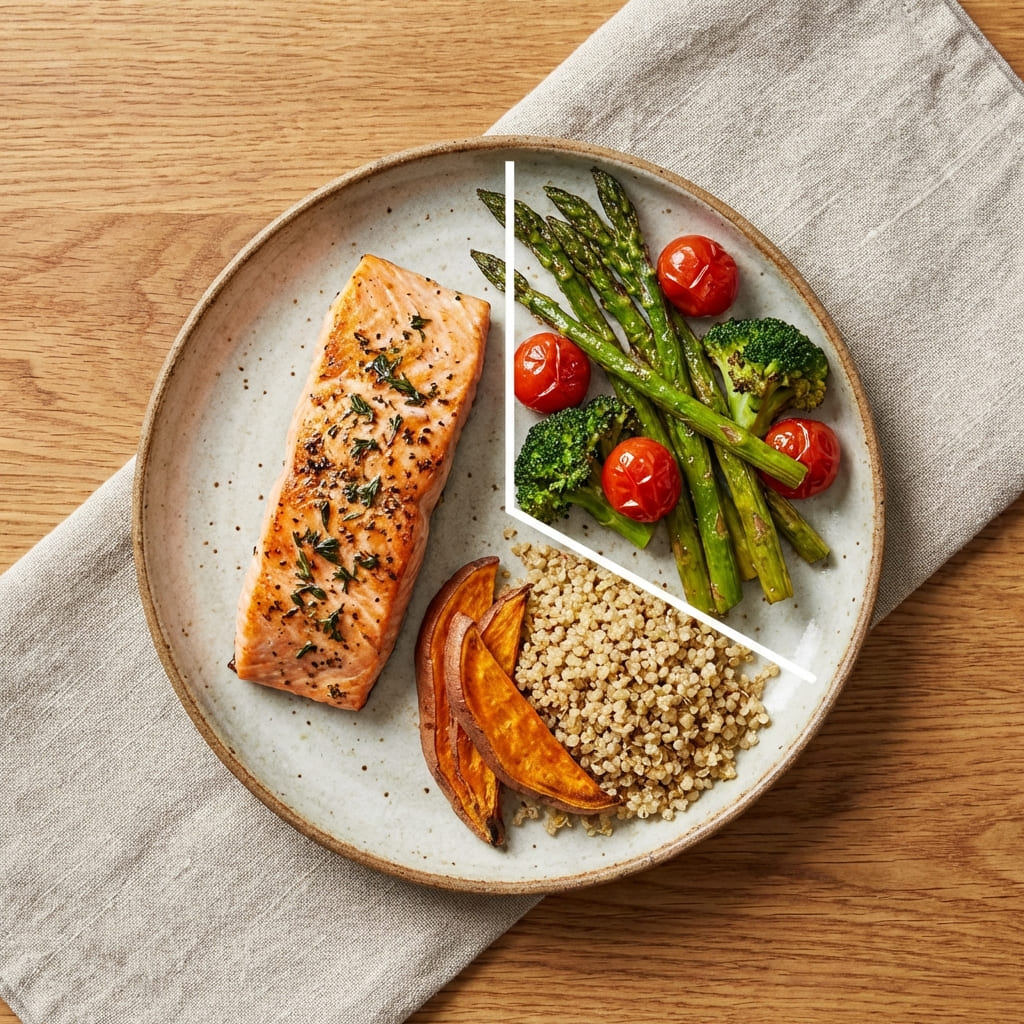
While slightly higher in fat than white fish, salmon provides omega-3 fatty acids that support heart health and may help reduce inflammation. Many users find baked or poached salmon easy to digest.
Protein Tip for Your GLP-1 Diet: Spread your protein throughout the day rather than loading up at one meal. Your body can only process about 25-30 grams of protein at once for muscle synthesis, and smaller, frequent protein doses are easier on your reduced appetite.
Best Non-Starchy Vegetables for Your GLP-1 Diet (Top 10 Foods)
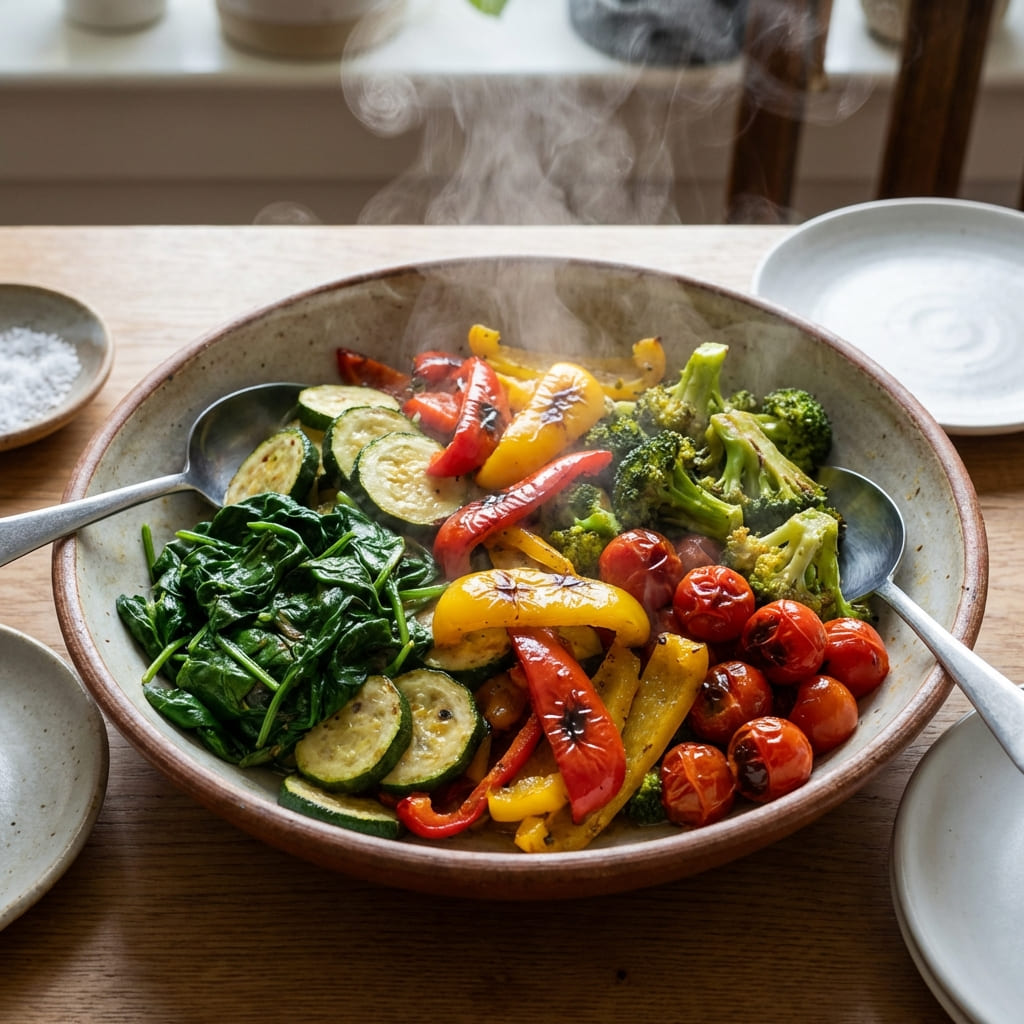
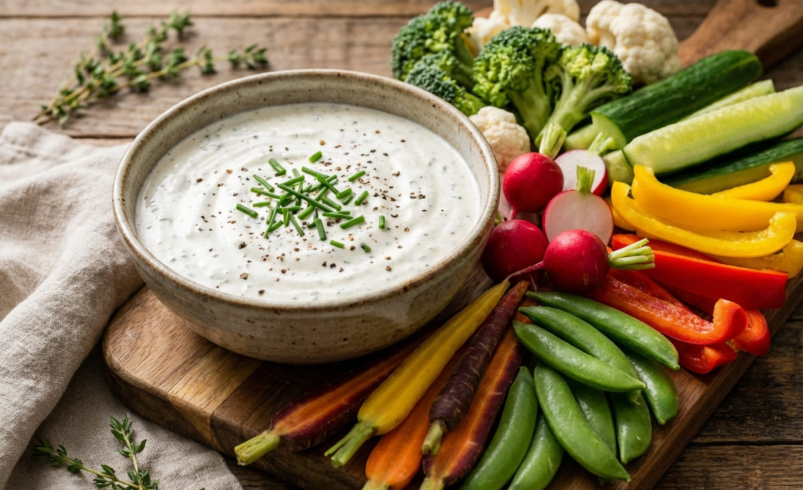
Vegetables in your GLP-1 meal plans give you volume, fiber, and micronutrients without many calories. They’re essential for preventing nutrient deficiencies when your overall food intake drops.
Non-starchy varieties won’t spike your blood sugar and tend to be gentler on your stomach than raw cruciferous vegetables
- Spinach
Serving size: 2 cups raw or 1/2 cup cooked
Calories: 15-20 per serving
Spinach packs in iron, calcium, magnesium, and vitamins A, C, and K. Cooking spinach reduces its volume dramatically, making it easier to consume larger nutrient doses. Add to eggs, soups, or smoothies.
2. Zucchini
Serving size: 1 medium (200g)
Calories: 35 per serving
Zucchini’s high water content and mild flavor make it incredibly versatile. Spiralize it for a pasta substitute, grill it, or blend it into soups. The soft texture when cooked is gentle on sensitive stomachs.
3. Bell Peppers
Serving size: 1 medium pepper (120g)
Calories: 25-30 per serving
Bell peppers deliver more vitamin C than oranges along with vitamin A and antioxidants. The crisp texture when raw provides satisfying crunch, while roasted peppers offer a sweeter, softer option.
4. Cauliflower
Serving size: 1 cup chopped (100g)
Calories: 25 per serving
Cauliflower is a chameleon vegetable that can replace rice, pizza crust, or mashed potatoes. It’s high in fiber and vitamin C while being extremely low in calories. Steaming or roasting makes it easier to digest than eating raw.
5. Green Beans
Serving size: 1 cup (100g)
Calories: 30-35 per serving
Green beans provide fiber, folate, and vitamin K with a satisfying crunch. They’re less likely to cause gas than other legumes, making them a safer choice if you’re managing bloating.
6. Cucumber
Serving size: 1 cup sliced (120g)
Calories: 15 per serving
Cucumbers are nearly all water, making them extremely refreshing and hydrating. They add volume and crunch to meals without adding significant calories. The skin contains most of the nutrients, so leave it on when possible.
7. Tomatoes
Serving size: 1 medium (125g)
Calories: 22 per serving
Tomatoes provide lycopene, vitamin C, and potassium. Both raw and cooked tomatoes offer benefits, though cooking increases lycopene bioavailability. Cherry tomatoes make convenient snacks.
8. Broccoli
Serving size: 1 cup chopped (90g)
Calories: 30 per serving
Broccoli delivers vitamin C, vitamin K, folate, and fiber. Steaming until tender makes it easier to digest than raw broccoli, which can cause gas. The florets are typically gentler than the stems.
9. Asparagus
Serving size: 6-8 spears (90g)
Calories: 20 per serving
Asparagus is rich in folate, vitamins A, C, and K, and provides prebiotic fiber that supports gut health. Roasting or grilling brings out its natural sweetness.
10. Lettuce (Romaine, Butter, Mixed Greens)
Serving size: 2 cups (80g)
Calories: 10-15 per serving
Lettuce varieties provide vitamins A and K with minimal calories. They create volume on your plate, which can be psychologically satisfying when portions are smaller. Romaine offers more nutrients than iceberg.
Diet Tip for Eating Vegetables: Cook your vegetables when dealing with nausea or early in your GLP-1 journey. Cooked vegetables are easier to digest and their reduced volume means you can eat more nutrients in less space.
Best Healthy Fats for a GLP-1 Diet (Top 5 Foods)
Fat helps your body absorb fat-soluble vitamins (A, D, E, K) and keeps you satisfied between meals. The key is choosing sources with additional nutritional benefits while keeping portions moderate, since fat is calorie-dense.
- Avocado
Serving size: 1/4 to 1/3 avocado (50g)
Calories: 80-110 per serving
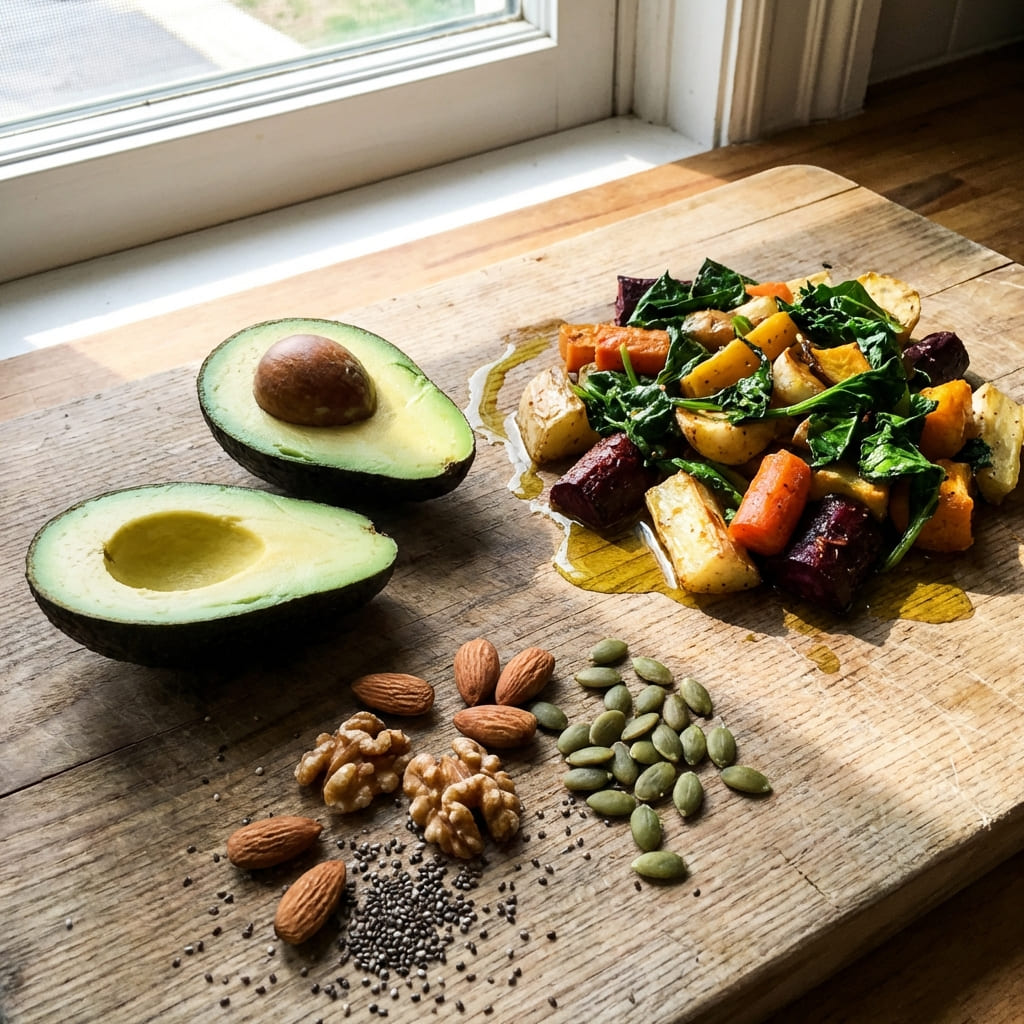
Avocados provide heart-healthy monounsaturated fats, fiber, potassium, and vitamins C, E, and K. The creamy texture makes them easy to eat when other foods feel heavy. Use as a spread, add to smoothies, or dice into salads.
2. Olive Oil (Extra Virgin)
Serving size: 1 tablespoon (15ml)
Calories: 120 per serving
Extra virgin olive oil contains antioxidants and anti-inflammatory compounds along with healthy fats. Use for light sautéing, drizzling over vegetables, or as a salad dressing base. A little goes a long way.
3. Almonds
Serving size: 1 oz or about 23 almonds
Calories: 160 per serving
Almonds provide vitamin E, magnesium, and fiber along with protein (6g per serving). The combination of protein, fat, and fiber makes them particularly satisfying. Pre-portion them to avoid overeating.
4. Chia Seeds
Serving size: 2 tablespoons (30g)
Calories: 140 per serving
Chia seeds deliver omega-3 fatty acids, fiber, and protein. They absorb liquid and form a gel, which can help with hydration and digestive regularity. Add to yogurt, smoothies, or make chia pudding.
5. Natural Peanut Butter or Almond Butter
Serving size: 1-2 tablespoons (16-32g)
Calories: 90-190 per serving
Nut butters combine healthy fats with protein (about 4g per tablespoon). Choose versions with just nuts and salt, no added sugars or oils. Pair with apple slices or celery for a balanced snack.
Healthy Fats Tip: Don’t fear fat, but respect portion sizes. Healthy fats are essential for hormone production and nutrient absorption, but they’re also the most calorie-dense macronutrient at 9 calories per gram. Measure your portions, especially when you’re new to GLP-1s.
Smart Carbs for a GLP-1 Diet (Top 5 Foods)
Carbohydrates often get a bad rap when it comes to weight loss, but your body needs them for energy and certain nutrients. The key is choosing complex carbohydrates for your GLP-1 meal plans that provide fiber and nutrients rather than simple sugars that spike blood glucose.
- Quinoa
Serving size: 1/2 cup cooked (90g)
Calories: 110 per serving
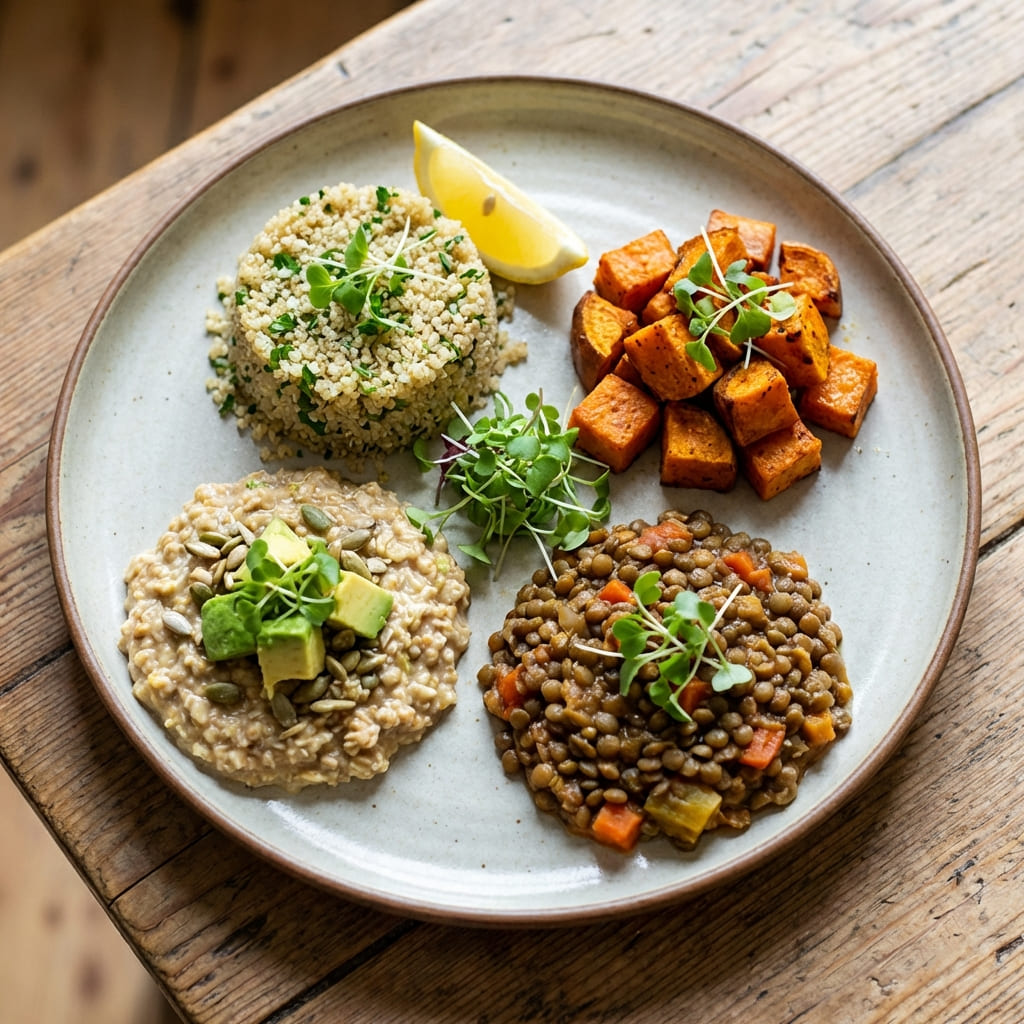
Quinoa is technically a seed but cooks like a grain. It’s a complete protein (8g per serving) and provides iron, magnesium, and fiber. The fluffy texture is easy to digest and versatile for both savory and sweet preparations.
2. Sweet Potato
Serving size: 1 small (130g)
Calories: 110 per serving
Sweet potatoes offer complex carbohydrates, fiber, and exceptional amounts of vitamin A. They’re naturally sweet without added sugars and have a lower glycemic index than white potatoes. Baking makes them easy to portion and digest.
3. Oats (Steel-Cut or Rolled)
Serving size: 1/2 cup dry (40g)
Calories: 150 per serving
Oats provide soluble fiber that can help with cholesterol management and digestive health. They’re also surprisingly high in protein for a grain (5g per serving). Cook with water or low-fat milk and top with berries.
4. Berries (Strawberries, Blueberries, Raspberries)
Serving size: 1 cup (140-150g)
Calories: 50-85 per serving
Berries deliver antioxidants, vitamin C, and fiber with relatively low sugar compared to other fruits. The fiber content slows sugar absorption. Frozen berries are just as nutritious as fresh and often more affordable.
5. Lentils
Serving size: 1/2 cup cooked (100g)
Calories: 115 per serving
Lentils pack protein (9g), fiber (8g), iron, and folate into a small serving. They’re more digestible than many other legumes and cook quickly. Red lentils break down into a soft texture that’s especially gentle on your stomach.
Eating Carbs Tip: Time your carbs around activity. If you exercise, having complex carbohydrates within a few hours of your workout supports performance and recovery. On sedentary days, you might naturally gravitate toward lower-carb meals, and that’s okay too.
Making These GLP-1 Foods Work for You
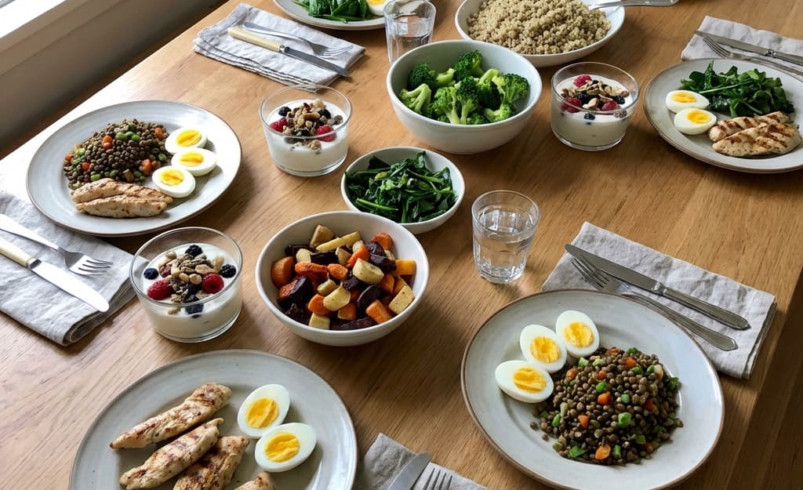
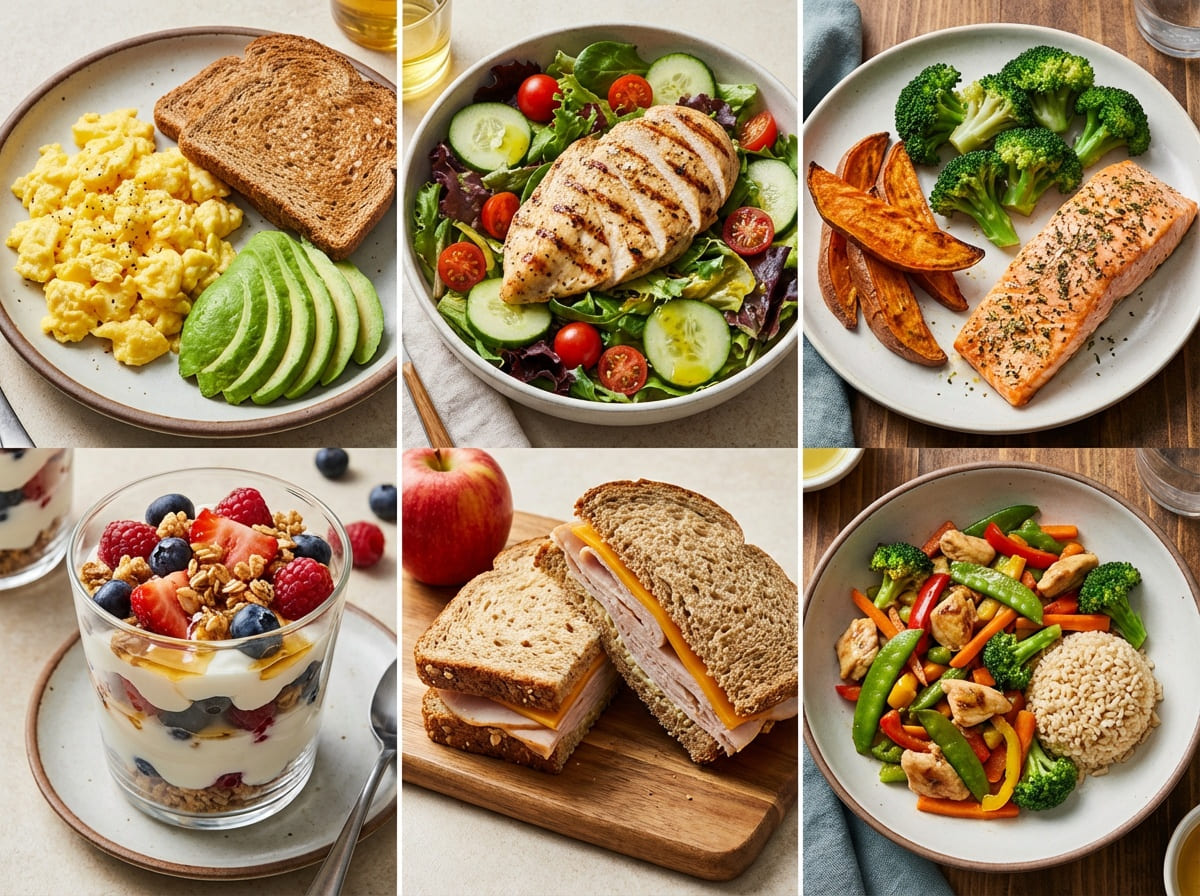
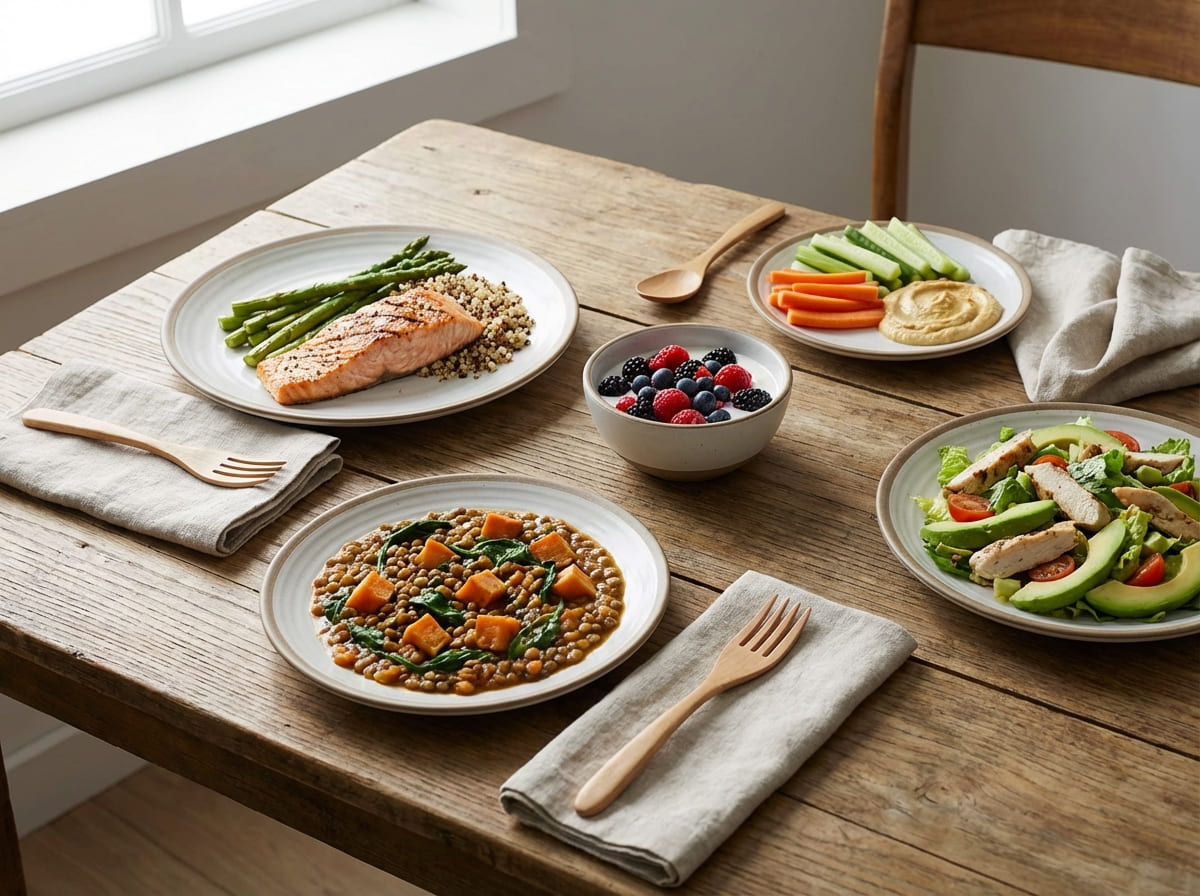
Having this list is just the starting point. The real magic happens when you combine these foods into balanced meals that work with your reduced appetite and changing taste preferences.
I’ve found that meal planning around these 30 foods eliminates decision fatigue when my appetite is unpredictable. Stock your kitchen with items from each category, and you’ll always have options that support your nutrition goals without overwhelming your system.
Remember that tolerance varies between individuals and can change throughout your GLP-1 journey. What works perfectly one week might feel too heavy the next. Pay attention to your body’s signals and adjust accordingly.
The goal isn’t perfection. It’s consistency in choosing foods that nourish your body, support your weight loss, and help you feel your best while on GLP-1 medication.
Weight Loss Recipes to Try When You're On GLP-1s