How to Save Money on Food While on GLP-1 Medications
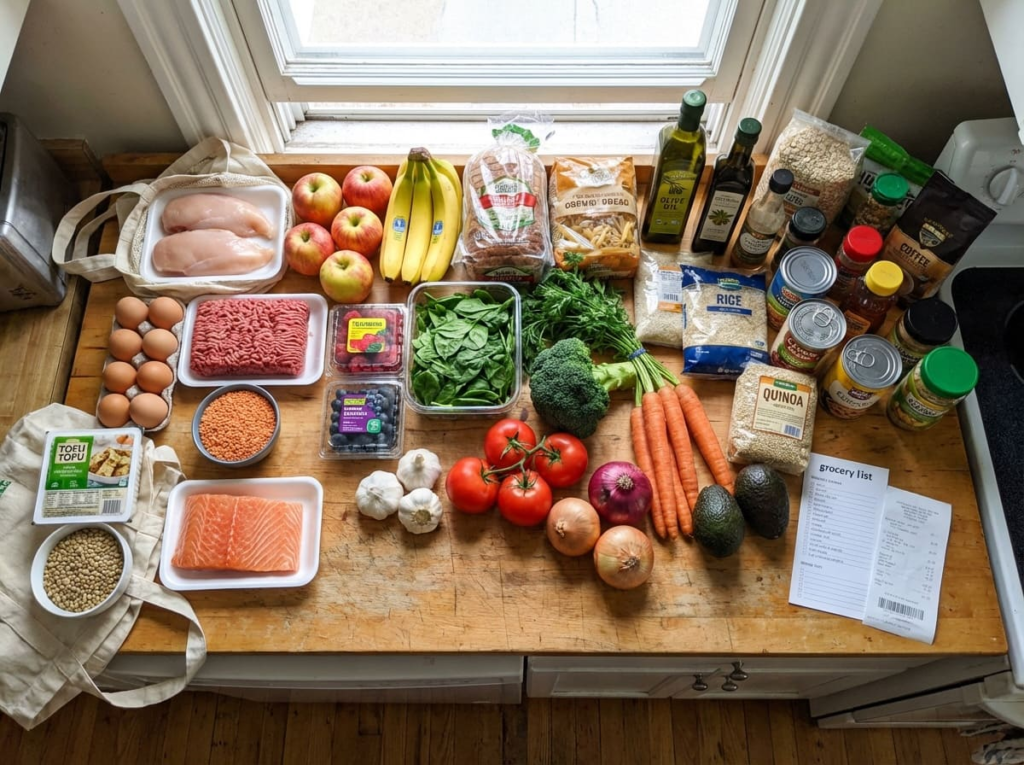
I was easily spending $120-150 weekly on groceries before starting my GLP-1 weight loss journey, then watched half of it rot in my fridge because my appetite basically disappeared. Now I spend under $75 and actually eat what I buy. Eating smaller portions means buying less food, and buying less food only saves money if you buy the right things.
The trap most people fall into is buying expensive “health foods” they think they need for weight loss. Organic this, grass-fed that, specialty protein powders, pre-portioned meal kits. None of it matters if you can barely eat! What matters is having affordable, high-protein staples you can stomach when nothing sounds appealing and putting together nutrient-dense meals.
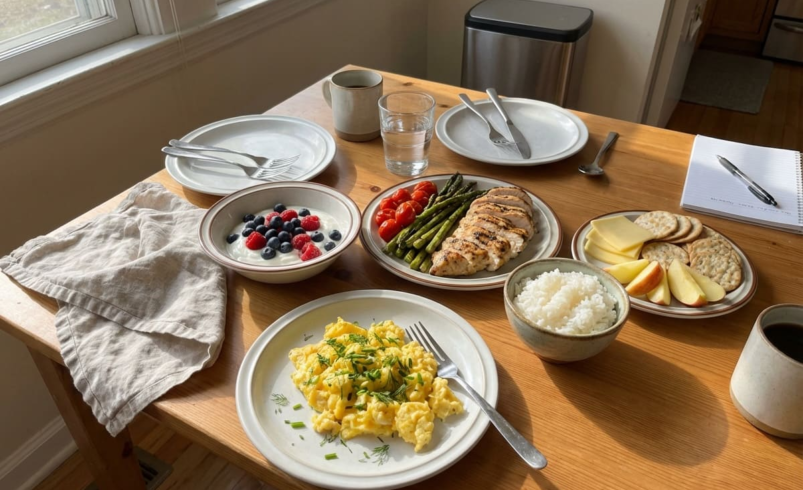
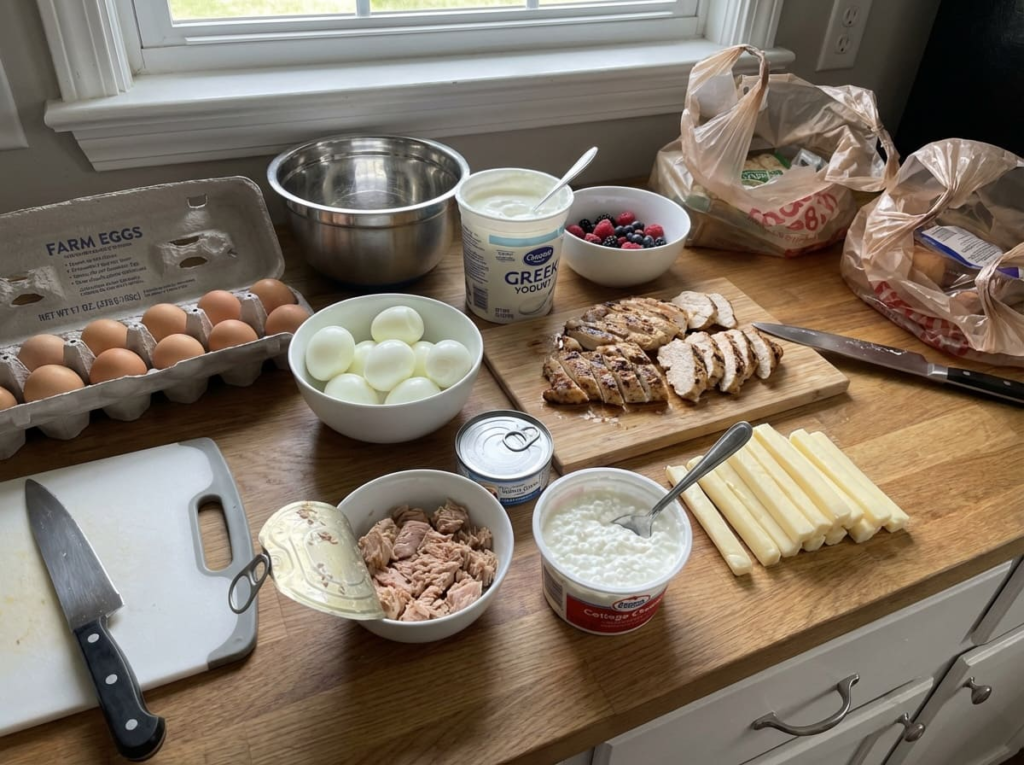
This budget GLP-1 meal plan focuses on essential proteins (eggs, canned tuna, chicken thighs, Greek yogurt) paired with inexpensive vegetables and simple carbs. Nothing fancy, nothing expensive, nothing that requires specialty grocery stores. Just straightforward food that delivers protein without destroying your budget.
Your $75 Weekly Grocery Plan When You're On GLP-1s
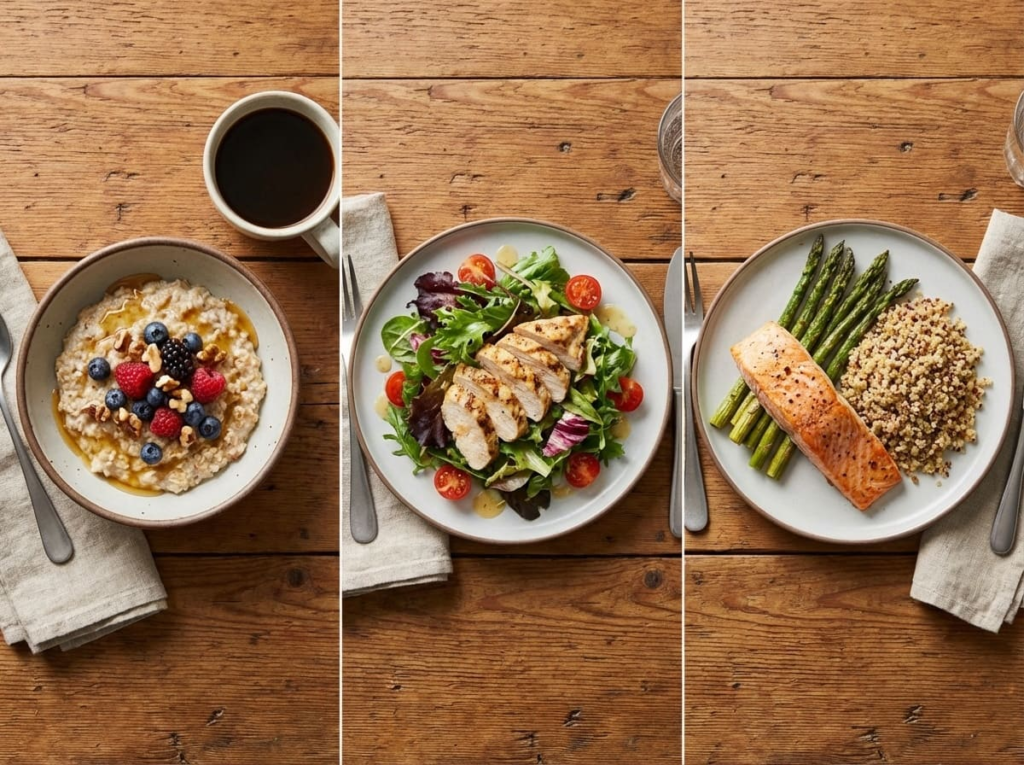
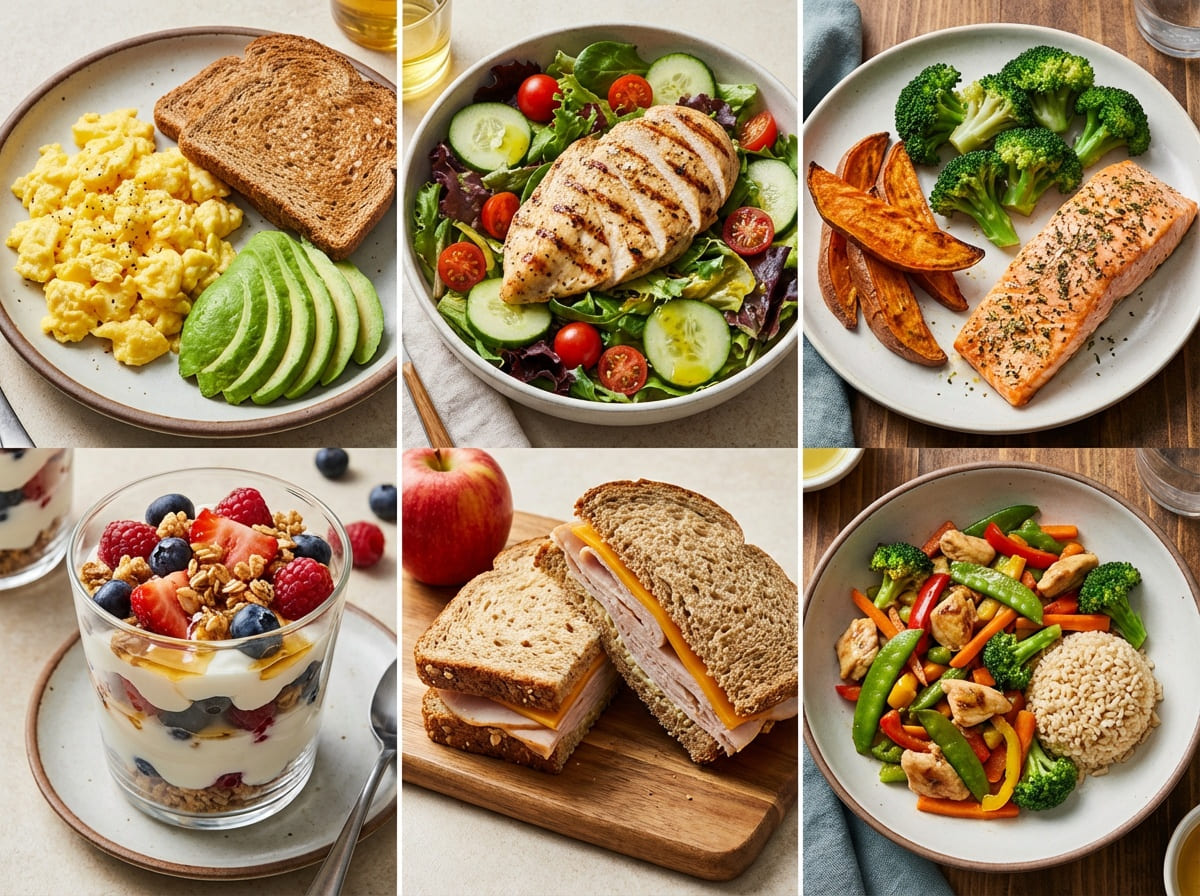
This GLP-1 meal plan gives you three meals daily plus snacks, designed for someone eating 1,200-1,500 calories with a focus on hitting 80-100g of protein. Portions are smaller than standard recipes because you’re working with GLP-1-suppressed appetite.
Monday
- Breakfast: 2 scrambled eggs with shredded cheese, 1 slice whole wheat toast
- Lunch: Tuna salad (3 oz tuna, mayo, celery) on mixed greens
- Dinner: Baked chicken thighs with roasted broccoli and brown rice
- Snack: Greek yogurt with frozen berries
Tuesday
- Breakfast: Greek yogurt with granola and sliced banana
- Lunch: Leftover chicken thighs with vegetables
- Dinner: Ground turkey taco bowl (lettuce, black beans, salsa, cheese)
- Snack: String cheese and apple slices
Wednesday
- Breakfast: 2 hard-boiled eggs with whole grain crackers
- Lunch: Turkey and cheese wrap with lettuce and mustard
- Dinner: Egg scramble with bell peppers, onions, and cheese
- Snack: Cottage cheese with cinnamon
Thursday
- Breakfast: Cottage cheese with frozen berries
- Lunch: Tuna salad on whole wheat bread
- Dinner: Baked chicken thighs with frozen mixed vegetables
- Snack: Peanut butter on apple slices
Friday
- Breakfast: Scrambled eggs with spinach (frozen) and cheese
- Lunch: Leftover turkey taco bowl
- Dinner: Ground turkey with marinara over whole wheat pasta
- Snack: Greek yogurt with granola
Saturday
- Breakfast: Greek yogurt with banana and peanut butter
- Lunch: Chicken salad (leftover chicken, mayo, celery) on crackers
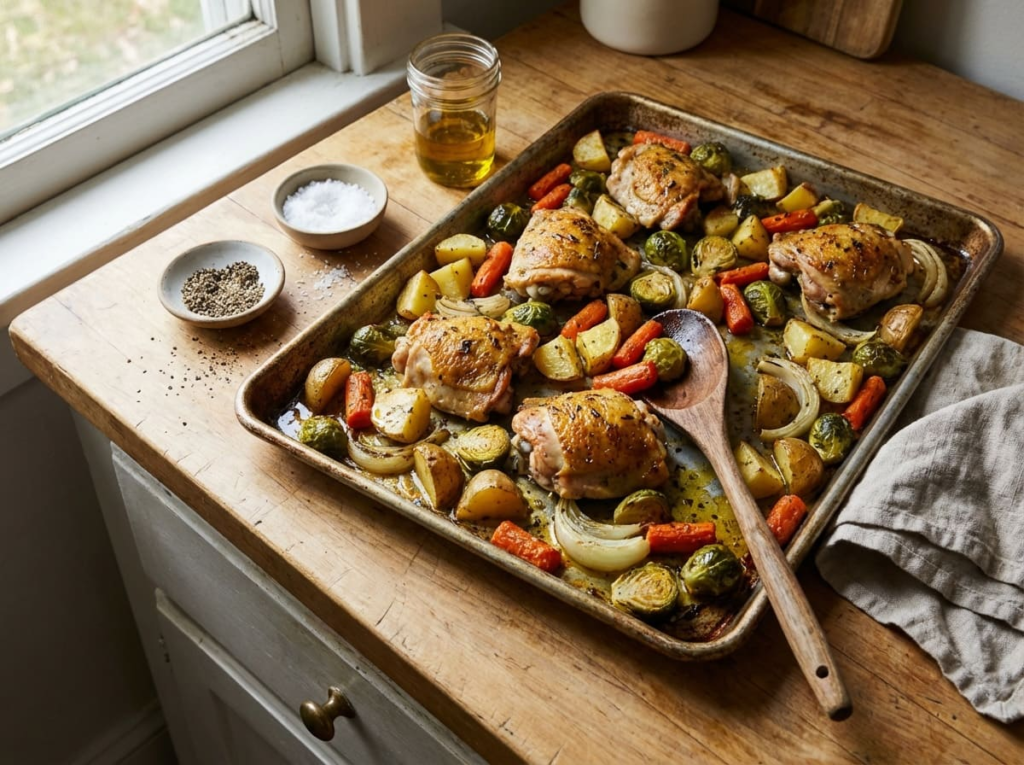
- Dinner: Sheet pan chicken thighs with bell peppers and onions
- Snack: String cheese
Sunday
- Breakfast: Veggie omelet (eggs, frozen spinach, bell pepper, cheese)
- Lunch: Leftover chicken and vegetables
- Dinner: Simple turkey chili (ground turkey, black beans, tomatoes, spices)
- Snack: Hard-boiled eggs
Weekly totals: Approximately 85-95g protein daily | 1,250-1,400 calories daily
The beauty of this plan is its flexibility. If Wednesday you wake up and eggs sound terrible, swap in Greek yogurt instead. If Friday dinner feels like too much effort, make tuna salad and eat it with crackers. You’re not locked into specific meals on specific days.
Exact Budget Grocery List for Your GLP-1 Meal Plan with Prices
These prices reflect shopping at Walmart or Aldi. Your costs might vary by location, but the total should stay under $80 at most mainstream grocery stores.
Proteins ($36.50):
- 18 large eggs – $4.50
- Greek yogurt, plain (32 oz container) – $4.50
- Cottage cheese (24 oz container) – $3.50
- Family pack chicken thighs, bone-in (3 lbs) – $7.50
- Ground turkey, 93% lean (2 lbs) – $7.00
- Canned tuna in water (4 cans) – $4.00
- String cheese (12 pack) – $4.00
- Deli turkey slices (1 lb) – $5.00
Vegetables & Fruits ($16.50):
- Fresh broccoli (2 crowns) – $3.00
- Mixed salad greens (1 bag) – $2.50
- Bell peppers (3) – $3.00
- Yellow onion (1 large) – $0.75
- Celery (1 bunch) – $1.50
- Frozen spinach (1 bag) – $1.50
- Frozen mixed vegetables (2 bags) – $3.00
- Frozen berries (1 bag) – $3.50
- Bananas (5) – $1.25
- Apples (4) – $2.50
Grains & Staples ($14.50):
- Whole wheat bread (1 loaf) – $2.00
- Brown rice (1 bag) – $2.50
- Whole wheat pasta (1 box) – $1.50
- Whole grain crackers (1 box) – $3.00
- Black beans (2 cans) – $1.50
- Crushed tomatoes (1 can) – $1.00
- Shredded cheese (8 oz bag) – $3.00
Pantry Items ($7.50):
- Granola (1 bag) – $3.50
- Peanut butter (16 oz jar) – $3.00
- Mayo (for tuna/chicken salad) – $3.00
- Salsa (1 jar) – $2.50
- Marinara sauce (1 jar) – $2.00
Total: $75.00
Assumes you have basic pantry staples: olive oil, salt, pepper, garlic powder, and any preferred spices
3 Money-Saving Tips That Actually Work
Tip 1: Buy bone-in, skin-on chicken thighs instead of breasts
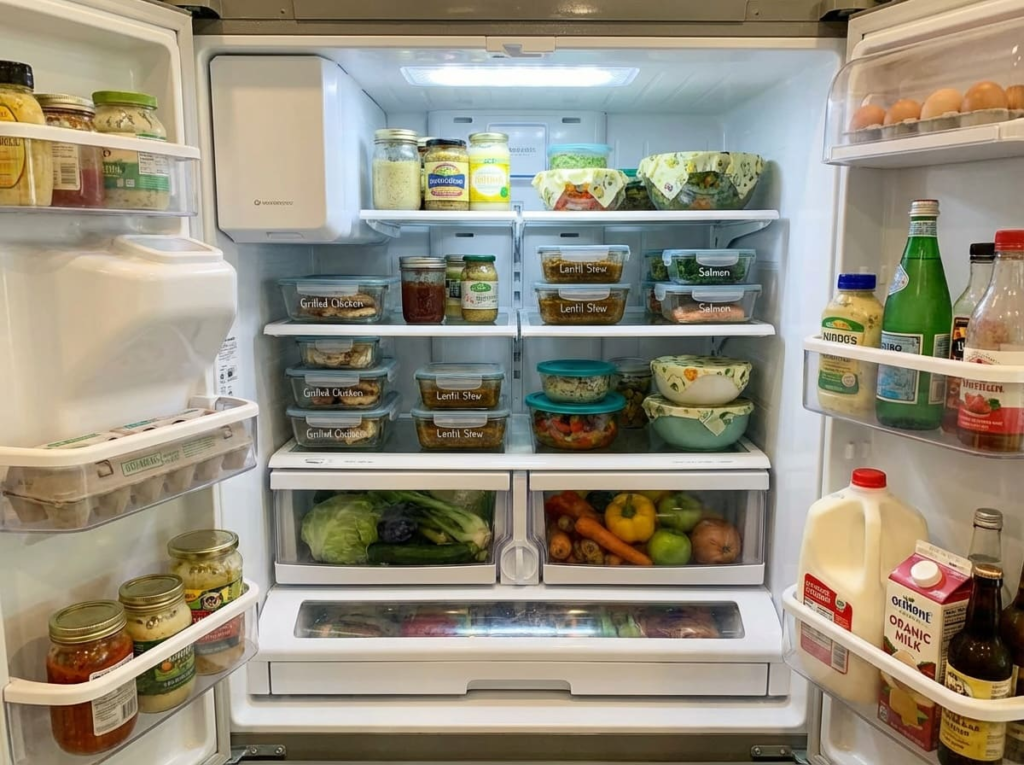
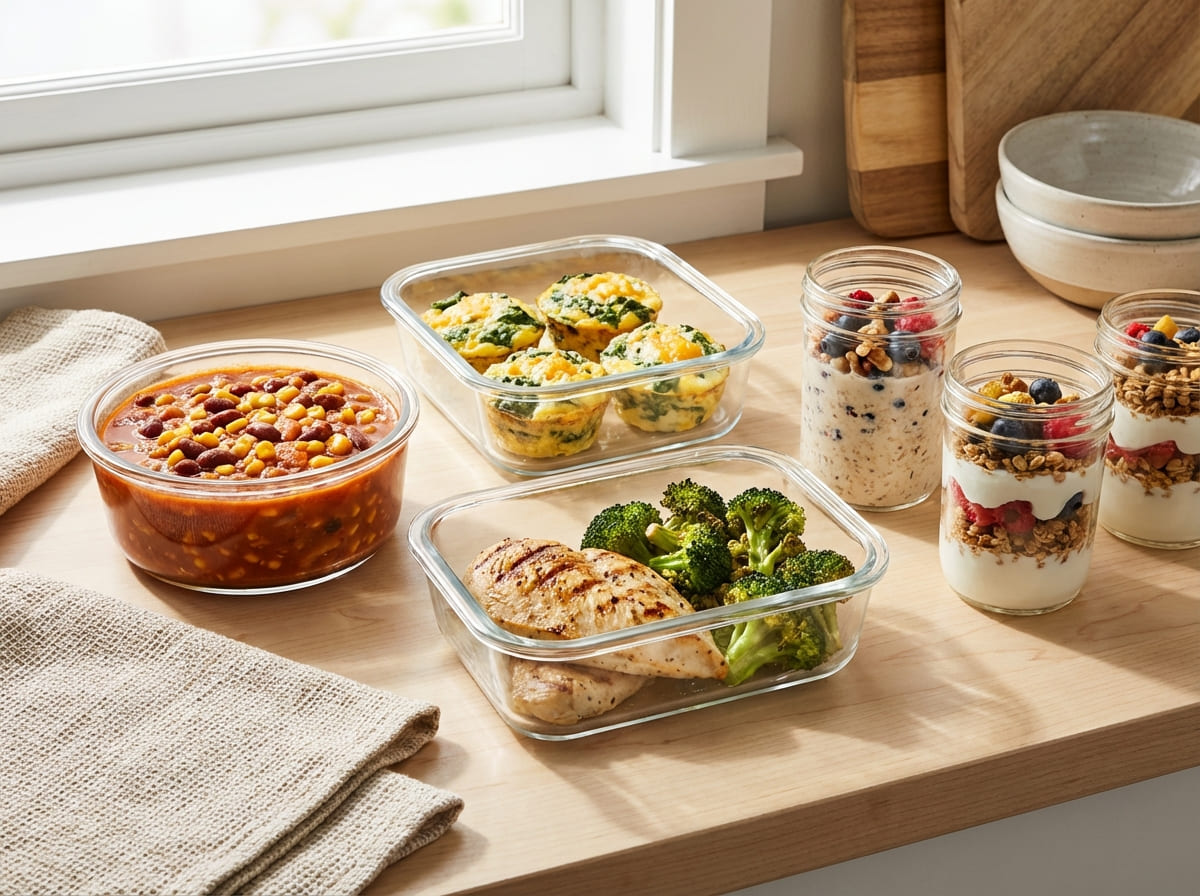
Chicken breasts cost $3.99-5.99 per pound. Chicken thighs cost $1.99-2.99 per pound and stay moist when reheated, which matters when you can barely eat and need leftovers to be palatable. A family pack of thighs for $7.50 gives me protein for 6-8 meals. I bake them all at once on Sunday, store them in containers, and reheat throughout the week. The time investment is identical to cooking breasts, but the cost per meal drops by 40%.
Tip 2: Choose frozen vegetables over fresh (except what you’ll eat immediately)
I used to buy fresh broccoli, bell peppers, spinach, and green beans thinking fresh meant healthier. Then I’d watch half of it wilt in my crisper drawer because my appetite disappeared and I couldn’t force myself to eat it. Frozen vegetables cost less, last months in the freezer, and retain the same nutritional value as fresh. Now I buy fresh only for the vegetables I’ll eat within 2-3 days (like salad greens or broccoli for roasting) and keep frozen backups for everything else. This single change cut my food waste by 60%.
Tip 3: Prep proteins in bulk, freeze in meal-sized portions
When ground turkey goes on sale for $2.99/lb instead of the usual $3.99, I buy 4-6 pounds, cook it all with basic seasonings, and freeze it in 1-cup portions. Same with chicken thighs. Having pre-cooked, portioned protein in the freezer means I can throw together a meal in 10 minutes even when I have zero energy to cook. It also prevents the expensive trap of ordering takeout because “nothing is ready to eat.” The upfront time investment is maybe 45 minutes, but it saves me $30-40 weekly in avoided restaurant orders.
Why This Plan Works on GLP-1s
The portions in this meal plan reflect real GLP-1 appetite suppression. You’re not eating full restaurant-sized servings. A “chicken thigh” meal might be one thigh (not three), half a cup of vegetables, and a quarter cup of rice. That’s enough to hit your protein target without making you uncomfortably full.
The meal variety stays intentionally simple because when nothing sounds good, fancy recipes don’t help. You need reliable staples you can eat on autopilot. I’ve eaten scrambled eggs for breakfast five days straight on semaglutide and didn’t care because thinking about food exhausted me. Fighting this by buying ingredients for seven different breakfasts just wastes money.
The grocery list focuses on versatile ingredients that combine into multiple meals. Those chicken thighs become: chicken and broccoli, chicken salad, chicken with vegetables, chicken in a wrap. The eggs become: scrambled eggs, hard-boiled snacks, omelets, egg scrambles. So you’re not buying single-use ingredients that sit unused when your appetite changes.
Making This Work Long-Term for Your GLP-1 Lifestyle
This isn’t a one-week GLP-1 diet plan. It’s a template you can repeat and adjust based on what’s on sale and what you actually eat. Week two might swap ground turkey for ground beef if beef is cheaper. Week three might add a rotisserie chicken instead of raw thighs if you’re too tired to cook.
The key is buying affordable proteins in whatever form is cheapest that week, pairing them with inexpensive vegetables, and keeping your expectations realistic about how much you’ll actually consume. That’s how you keep grocery spending under $75 while getting adequate nutrition on GLP-1 medications.
Related meal planning resources: