Day 1 on GLP-1s: Injection or First Oral Dose Day
What to Expect
Your first dose day on GLP-1s itself usually feels pretty normal. You might feel nervous about the shot or taking the GLP-1 pill, but most people are surprised by how easy and painless it is. The medication hasn’t built up in your system yet, so you probably won’t notice any effects.
Some people feel slightly reduced appetite within hours of their first injection or oral dose. Others notice nothing at all for the first 24-48 hours. Both are completely normal.
You might feel excited, anxious, or hyper-aware of every sensation in your body, wondering “is this the medication?” Chances are, day 1 is quiet.
What to Eat
Eat normally today, but keep portions moderate. Don’t have a “last supper” mentality and overeat because you think your appetite is about to disappear. That can make you feel worse when side effects do kick in.
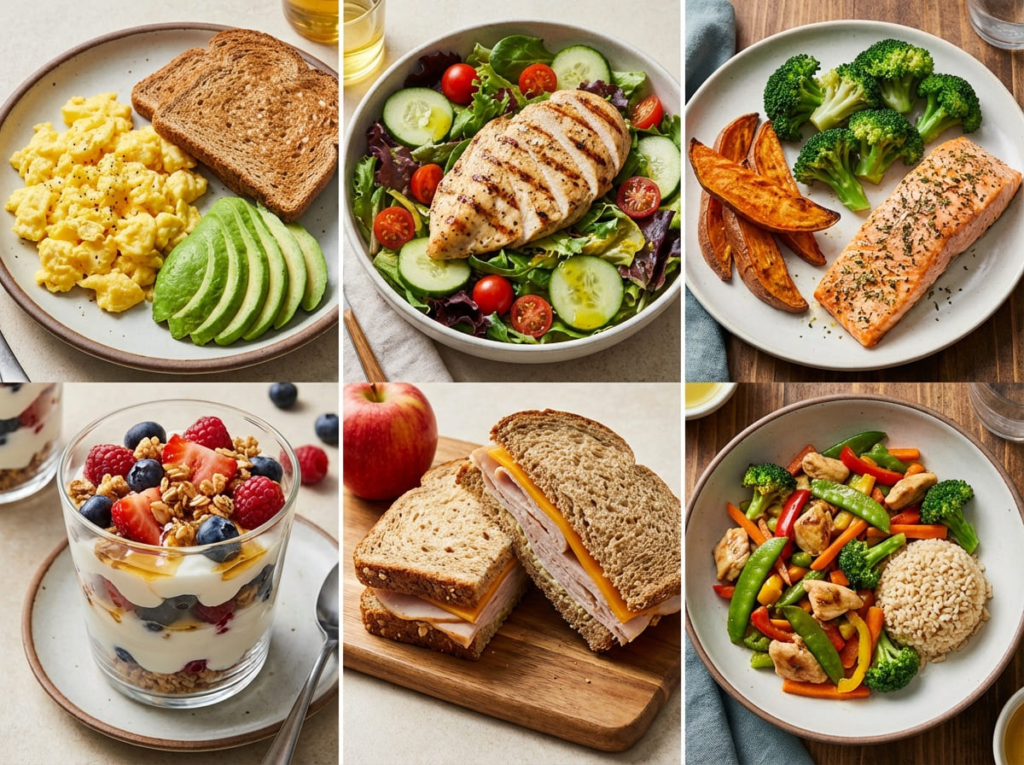
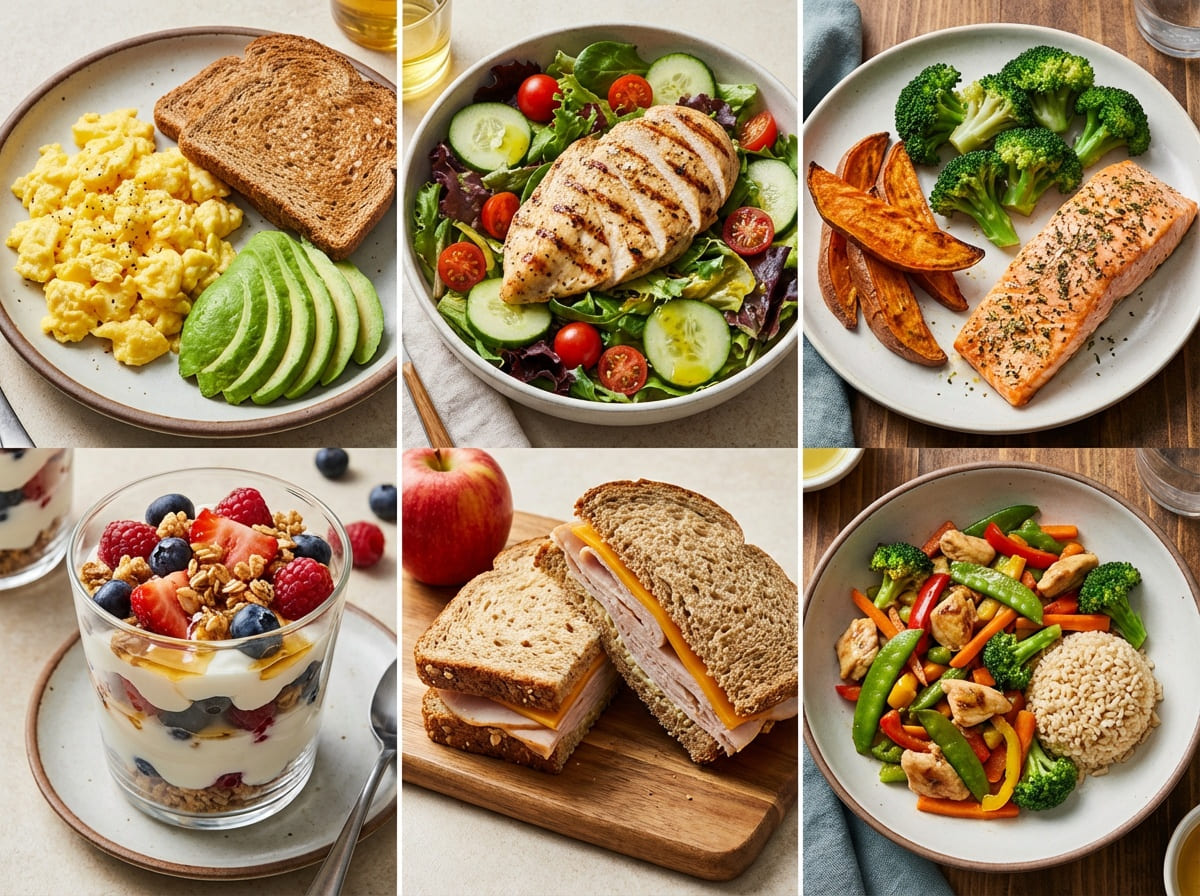
Breakfast: Scrambled eggs (2 eggs) with whole wheat toast and sliced avocado. Greek yogurt parfait with berries and a drizzle of honey.
Lunch: Grilled chicken salad with mixed greens, cherry tomatoes, cucumber, and olive oil dressing. Turkey and cheese sandwich on whole grain bread with an apple.
Dinner: Baked salmon (4 oz) with roasted sweet potato and steamed broccoli. Chicken stir-fry with mixed vegetables over a small portion of brown rice.
Quick Tips
Do your injection or take your dose at a consistent time you can stick with weekly (or as prescribed). Many people prefer evenings so potential nausea hits overnight. Set a recurring reminder on your phone for the same day and time each week. If you’ve been prescribed GLP-1 injections, dispose of your needle properly in a sharps container right away.
Days 2-3 on GLP-1s: First Changes
What to Expect
This is when you’ll likely start noticing changes. Your appetite might decrease noticeably. You might feel slightly off or a bit tired. Mild nausea could appear, especially in the morning or after eating.
Food starts seeming less interesting. You might look at your usual breakfast and think “meh.” Your stomach might feel slightly unsettled, not quite nausea but not quite normal either.
By day 3, the effects are usually more pronounced. Nausea might be stronger, though still manageable for most people. You’ll probably eat less at meals without consciously trying to restrict.
What to Eat
Focus on simple, bland foods that are easy to digest. Don’t push yourself to eat full portions. Listen to your body’s signals about when you’ve had enough.
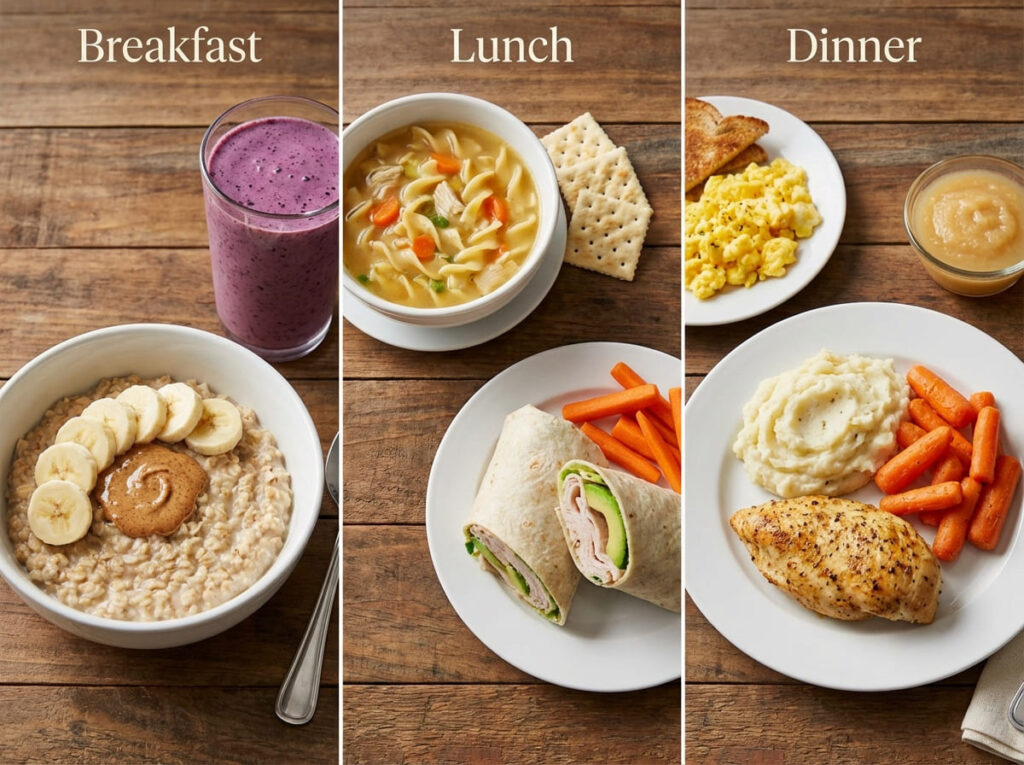
Breakfast: Plain oatmeal (1/2 cup cooked) with sliced banana and a spoonful of almond butter. Protein smoothie with protein powder, frozen berries, and unsweetened almond milk.
Lunch: Chicken noodle soup (homemade or low-sodium) with saltine crackers. Half a turkey and avocado wrap with carrot sticks.
Dinner: Baked chicken breast (3 oz) with mashed potatoes and cooked carrots. Scrambled eggs with toast and a side of applesauce.
Quick Tips
Eat every 2-3 hours even if you’re not hungry. Set phone alarms. Small, frequent eating prevents the nausea that comes from an empty stomach. Keep ginger tea or peppermint tea on hand. Sip them slowly when nausea appears. Stay upright for 2-3 hours after eating.
Days 4-5 on GLP-1s: Peak Adjustment
What to Expect
Days 4-5 are typically when nausea is at its worst. The medication has reached higher levels in your system, and your digestive system is working hard to adjust to slower emptying.
You might feel queasy most of the time, with stronger waves after eating. Your appetite is probably very low. The thought of food might not appeal to you at all, or certain foods might suddenly seem disgusting.
Some people feel fatigued during these days. You’re eating less than usual, possibly dealing with nausea, and your body is adjusting. It’s okay to rest more and move slower.
What to Eat
Stick with the gentlest, most bland foods. This is not the time to experiment or push yourself. Cold foods often work better than hot foods because they have less smell.
Breakfast: Plain Greek yogurt (1/2 cup) with a few berries. Dry toast with a thin spread of peanut butter. Protein shake if solid food doesn’t sound good.
Lunch: Plain white rice with a small piece of baked chicken. Applesauce and string cheese. Bone broth with a few crackers.
Dinner: Plain baked potato with a dollop of Greek yogurt. Scrambled eggs with white toast. Small bowl of plain pasta with a tiny bit of butter and parmesan.
Quick Tips
Choose cold or room temperature foods over hot ones. The smell of cooking can trigger nausea. Keep crackers by your bed and eat a few before getting up in the morning. Sip ginger tea throughout the day. If nothing sounds good, prioritize getting some protein in however you can, even if it’s just a protein shake.
Days 6-7 on GLP-1s: Finding Your Rhythm
What to Expect
By days 6-7, most people start feeling a bit better. Nausea is usually lessening, though it might still be present. You’re getting the hang of eating smaller portions and recognizing what your body can handle.
Your appetite is still much lower than normal, but you’re adjusting to that psychologically. You’re learning what foods sit well and what doesn’t work for you.
Some people feel pretty good by the end of week 1. Others are still struggling. Both are normal. Every body adjusts at its own pace.
What to Eat
You can start cautiously expanding your food options again, while still keeping things relatively simple and easy to digest. Pay attention to what your body tolerates.
Breakfast: Scrambled eggs with spinach and a slice of whole wheat toast. Oatmeal with protein powder stirred in and sliced banana.
Lunch: Grilled chicken (3 oz) over mixed greens with light dressing. Half a turkey sandwich with vegetable soup.
Dinner: Baked fish (3-4 oz) with quinoa and roasted zucchini. Ground turkey with sweet potato and green beans.
Quick Tips
Start noticing patterns in what you tolerate well and what triggers nausea. Keep a simple food log if it helps. Continue eating smaller portions even if you’re feeling better. Your stomach is still emptying slowly. Try a short walk after meals to help digestion. Celebrate making it through week 1.
Shopping List for Week 1 on GLP-1s
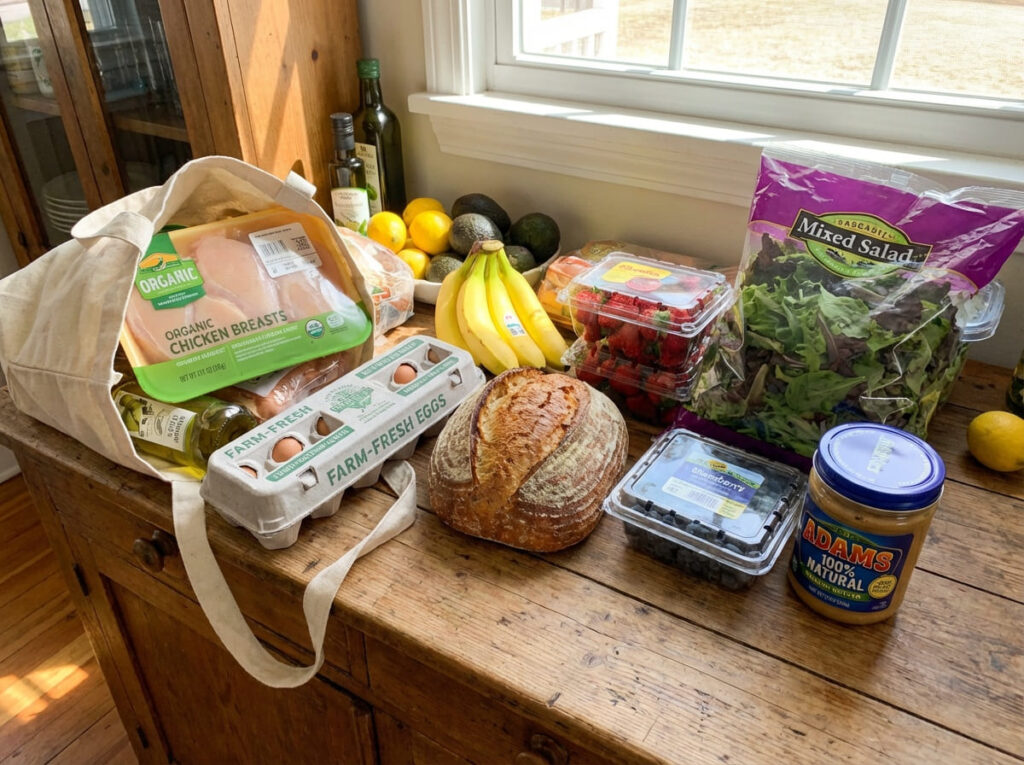
Having the right foods on hand before you start makes everything easier. Here’s what to buy:
Proteins:
- Greek yogurt (plain, nonfat), multiple containers
- Eggs (1-2 dozen)
- Chicken breast (1-2 lbs)
- Ground turkey or chicken (1 lb)
- Salmon or white fish (4-6 oz portions)
- Deli turkey slices
- String cheese
- Protein powder (whey or plant-based)
Grains & Starches:
- Plain oatmeal (not instant packets)
- White rice
- Quinoa
- Whole wheat bread
- Saltine crackers
- Plain pasta
Fruits & Vegetables:
- Bananas
- Berries (fresh or frozen)
- Apples
- Applesauce (unsweetened)
- Spinach
- Mixed salad greens
- Carrots
- Broccoli
- Sweet potatoes
- Zucchini
- Potatoes
Pantry Staples:
- Chicken or vegetable broth (low-sodium)
- Peanut or almond butter
- Olive oil
- Light salad dressing
- Honey
Beverages & Remedies:
- Fresh ginger root (for tea)
- Peppermint tea bags
- Ginger chews
- Bottled water or large water bottle
Supplies:
- Small food storage containers
- Sharps container for needle disposal
General Tips for Week 1 Success
Prep before you inject. Cook a few basic proteins (baked chicken, hard-boiled eggs) and portion them into containers. Wash and cut vegetables. Having ready-to-eat food available makes it easier to eat when you don’t feel like cooking.
Use small plates and bowls. Portion sizes that look normal on small plates feel less depressing than tiny amounts on large plates. This mental trick actually helps.
Don’t drink a lot with meals. Liquid takes up valuable stomach space. Sip water between meals throughout the day, but go easy during eating.
Keep it simple. Week 1 is not the time for elaborate recipes or trying new foods. Stick with familiar, bland, easy options that you know agree with you.
Rest when you need to. If you’re tired, rest. Don’t push yourself to maintain your normal pace if your body needs downtime.
Remember it’s temporary. Week 1 is typically the hardest week. Most people feel significantly better by week 2-3. You’re getting through the toughest part.
Track what works. Make notes about which foods you tolerated well and which triggered nausea. This information will be valuable going forward.
Your Adjustment Period on GLP-1s
Week 1 is an adjustment period. Your body is learning to work with the medication, and you’re learning what it needs to feel okay. Some days will feel harder than others, and that’s completely normal.
Having a plan takes away the stress of figuring out what to eat when you’re not feeling great. These meal ideas give you a starting point, but listen to your body and adjust based on what works for you.
By the end of week 1, you’ll have a much better understanding of your body’s responses, what foods work, and what to expect going forward. You’re building the foundation for your entire GLP-1 journey.
More Resources for Your GLP-1 Weight Loss Journey