List Prices Without Insurance: What GLP-1s Actually Cost
Brand-name GLP-1 medications carry list prices that put them out of reach for many people without insurance coverage or financial assistance.
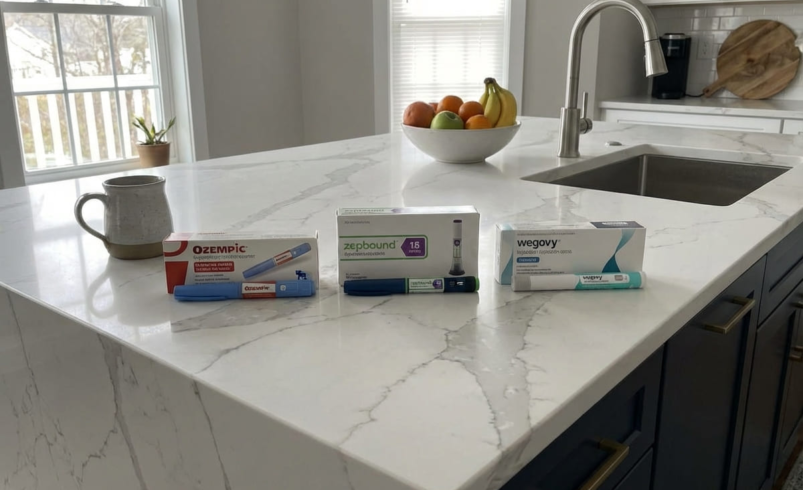
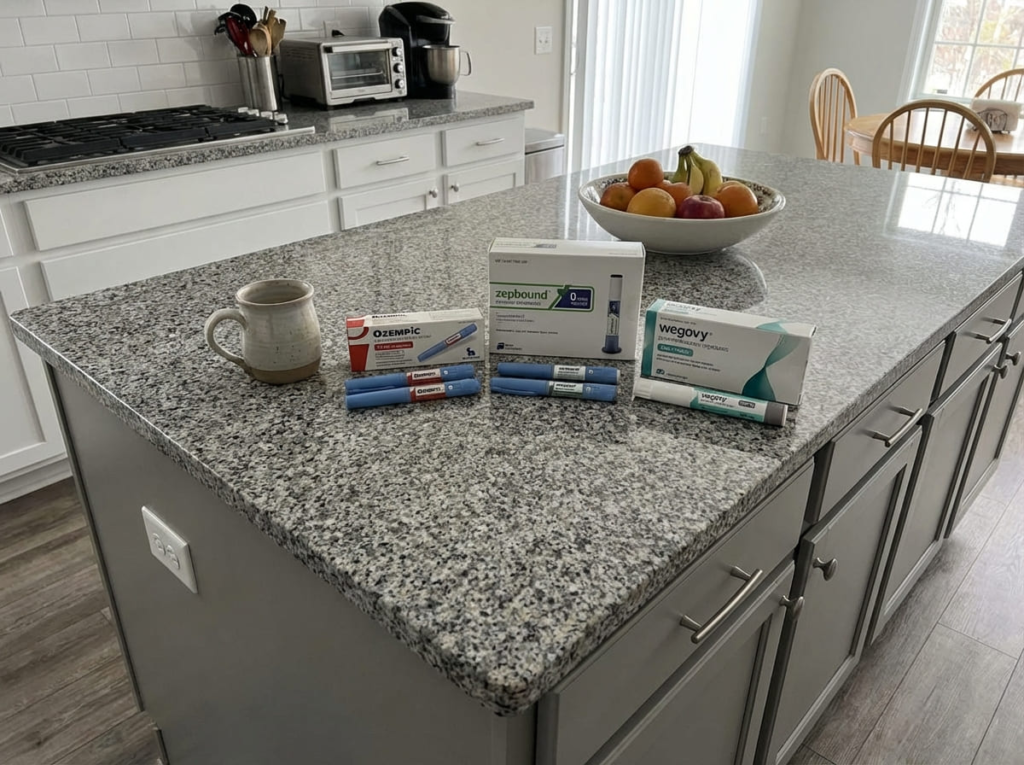
Wegovy (semaglutide for weight loss): $1,349 per month. This is the FDA-approved version of semaglutide specifically for chronic weight management. Four doses per month in pre-filled auto-injector pens.
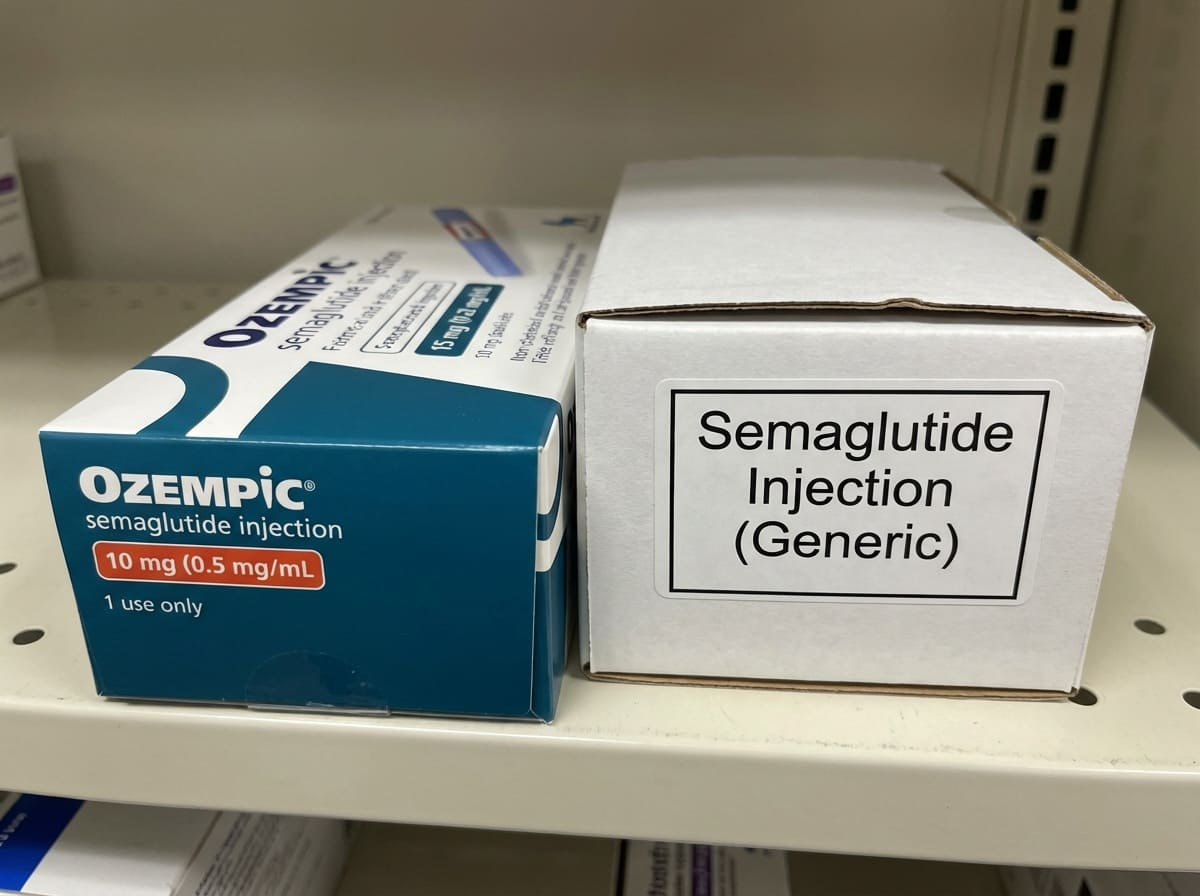
Ozempic (semaglutide for diabetes): $900 -$1,028 per month depending on dose. Approved for type 2 diabetes but often prescribed off-label for weight loss. Same active ingredient as Wegovy.
Zepbound (tirzepatide for weight loss): $1,088 per month. The weight loss version of tirzepatide, FDA-approved for chronic weight management. Monthly supply of pre-filled pens.
Mounjaro (tirzepatide for diabetes): $1,126 per fill, according to Eli Lilly. Approved for type 2 diabetes, sometimes prescribed off-label for weight loss. Same active ingredient as Zepbound.
Saxenda (liraglutide for weight loss): $1,349 per month. Older daily injection GLP-1 medication. Less effective than semaglutide or tirzepatide but still expensive.
Why are GLP-1 medications so expensive?
Pharmaceutical companies spent billions on research, development, and clinical trials. They’re recouping those costs during the patent exclusivity period before generics become available. Manufacturing these medications is complex. And honestly, companies charge what the market will bear. Demand is unprecedented, and people are willing to pay.
The list prices are what you’ll pay if you walk into a pharmacy without insurance, without manufacturer coupons, and without any assistance programs. As of February 2026, consumers can purchase directly through the TrumpRx.gov website and save up to 89% off. For example, the Wegovy pill is $149/month for the first 4 months then $199/month after that.
Very few people actually pay full list price, but understanding these numbers shows why insurance coverage matters so much.
With Insurance Coverage: What You'll Actually Pay
Insurance coverage for GLP-1 medications varies wildly depending on your specific plan, your diagnosis, and whether your employer or insurer decided to cover these drugs at all.
Typical copays with good coverage: $25 to $200 per month. If your insurance covers GLP-1s and you have a decent plan, you’ll likely pay a specialty tier copay. Many plans place these medications in their highest tier, which means higher out-of-pocket costs even with coverage.
Some lucky people with excellent insurance pay $25-$50 monthly. Others with coverage still pay $150-$200 monthly because of high-deductible plans or expensive specialty tiers.
The diabetes versus weight loss coverage gap:
This is huge. Most insurance plans cover Ozempic and Mounjaro for type 2 diabetes. Far fewer cover Wegovy or Zepbound for weight loss, even though they’re the same active ingredients as the diabetes versions.
Many employers specifically exclude weight loss medications from coverage to control costs. If you’re using GLP-1s for weight management without a type 2 diabetes diagnosis, your insurance might not cover it at all, meaning you pay full price.
Some people with obesity plus weight-related conditions like high blood pressure or sleep apnea can get coverage. Others can’t, even when they meet FDA approval criteria. It depends entirely on your specific plan’s formulary and exclusions.
Prior authorization reality:
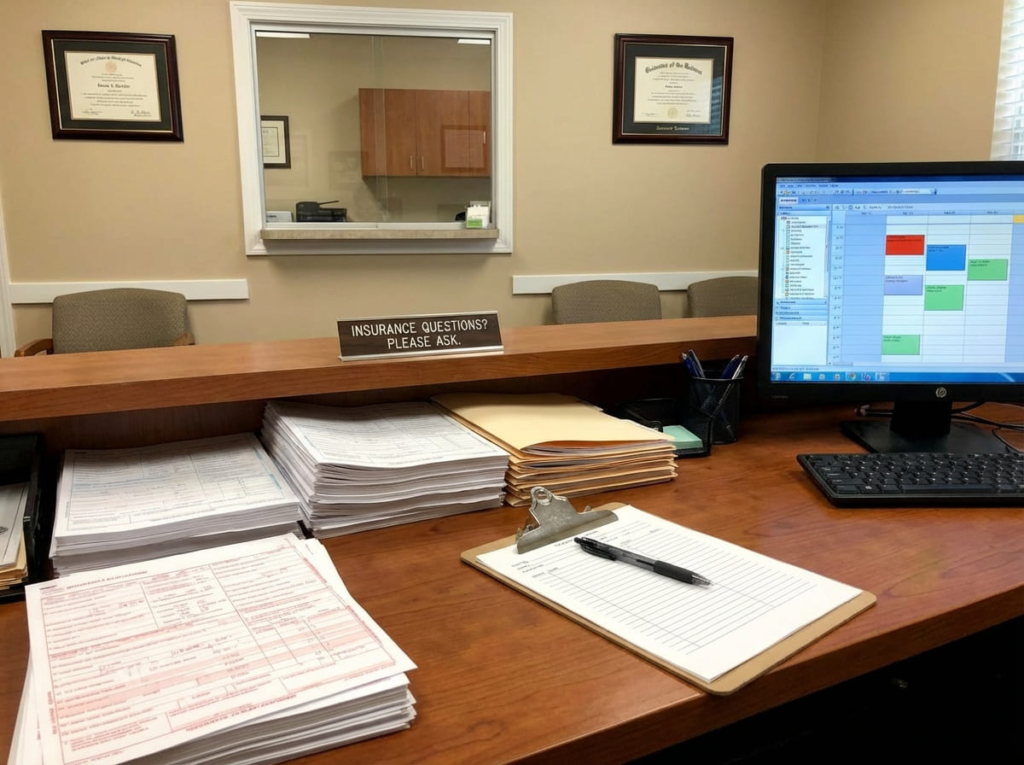
Even when insurance technically covers GLP-1s, you usually need prior authorization. This means your doctor submits documentation proving you meet coverage criteria, which typically includes:
- BMI requirements (usually 30+ or 27+ with comorbidities)
- Documentation of failed weight loss attempts through diet and exercise
- Sometimes requirements to try other weight loss medications first
- No contraindications
The prior authorization process takes 1-4 weeks. Initial requests are often denied and require appeals. Your doctor’s office has to do extra work submitting documentation. It’s frustrating and time-consuming, but necessary for coverage.
What determines whether your insurance covers GLP-1s:
Your employer or insurance company decides which medications to cover and at what tier. Large employers negotiate directly with insurers and can exclude weight loss drugs entirely to save money. Individual and small group plans vary based on the insurer’s formulary.
Medicare Part D plans are required to cover diabetes medications but not weight loss drugs specifically. Some Medicare Advantage plans cover weight loss medications, others don’t. Medicaid coverage varies by state.
The bottom line: insurance coverage is unpredictable. Call your insurance, ask specifically about coverage for the medication your doctor wants to prescribe, and get it in writing if possible.
Ways to Save Money on GLP-1 Medications
If you’re facing high costs, several pathways can make GLP-1s more affordable.
Manufacturer Savings Programs
Pharmaceutical companies offer savings cards that significantly reduce out-of-pocket costs for people with commercial insurance.
Wegovy Savings Offer: Reduces cost to as low as $0 per month for up to 13 fills with commercial insurance. Savings of up to $500 per fill. Not valid for government insurance like Medicare or Medicaid.
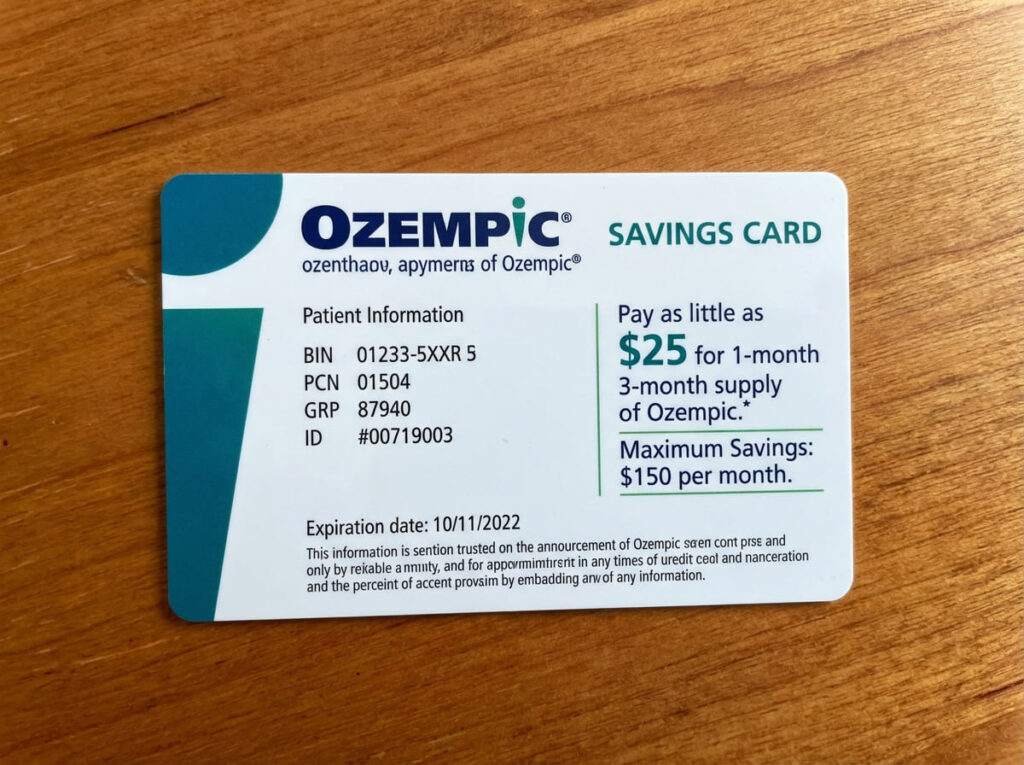
Ozempic Savings Card: Pay as little as $25 per month for up to a 3-month supply with commercial insurance. Maximum savings of $150 per prescription. Same restrictions on government insurance.
Mounjaro Savings Card: $25 for a 1-month or 3-month prescription with commercial insurance. Savings of up to $575 per month.
Zepbound Savings Card: Similar to Mounjaro, reduces costs to $25 per prescription with commercial insurance.
These programs have income limits and other restrictions. They’re designed for people with commercial insurance who would otherwise face high copays. If you have no insurance, these programs typically don’t help. If you have Medicare or Medicaid, you’re ineligible by law.
The programs are temporary. Companies can change or discontinue them at any time. Most have maximum savings limits per year.
(New in 2026) The TrumpRx Coupon
In February 2026, the Trump Administration launched TrumpRx.gov where consumers can download a discount coupon to redeem at a pharmacy for many brand name medications.
Examples of savings:
Wegovy Pill: $149/month for first 4 months, up to 89% savings
Wegovy Pen: $199/month for first 2 months then $349/month, up to 85% savings
Ozempic Pen: $199 for first 2 months, then $349/month, up to 81% savings
Patient Assistance Programs
For people who truly can’t afford medications and have no insurance or inadequate coverage, manufacturers offer patient assistance programs that provide free medication.
Requirements typically include income limits (usually 400% of federal poverty level or less) and no adequate insurance coverage. You’ll need to prove financial need and get your doctor to complete paperwork.
These programs take time to set up, often several weeks. But if you qualify, you can receive free medication for months or even a year at a time. Check each manufacturer’s website for their specific patient assistance program details and eligibility.
Compounded GLP-1 Options
Compounded semaglutide and tirzepatide cost $200-$400 per month through telehealth companies or specialized compounding pharmacies. This is significantly less than brand-name but more than most people pay with good insurance.
Compounding is legal when medications are on the FDA’s drug shortage list. These products haven’t undergone FDA approval and quality can vary between pharmacies. You’re trading lower cost for less regulatory oversight and quality assurance.
Reputable compounding pharmacies, especially 503B outsourcing facilities, maintain decent quality standards. But potency can vary and you have less recourse if something goes wrong.
For detailed information on compounded medications, see Compounded GLP-1 Medications: Complete Guide.
Telehealth Bundled Pricing
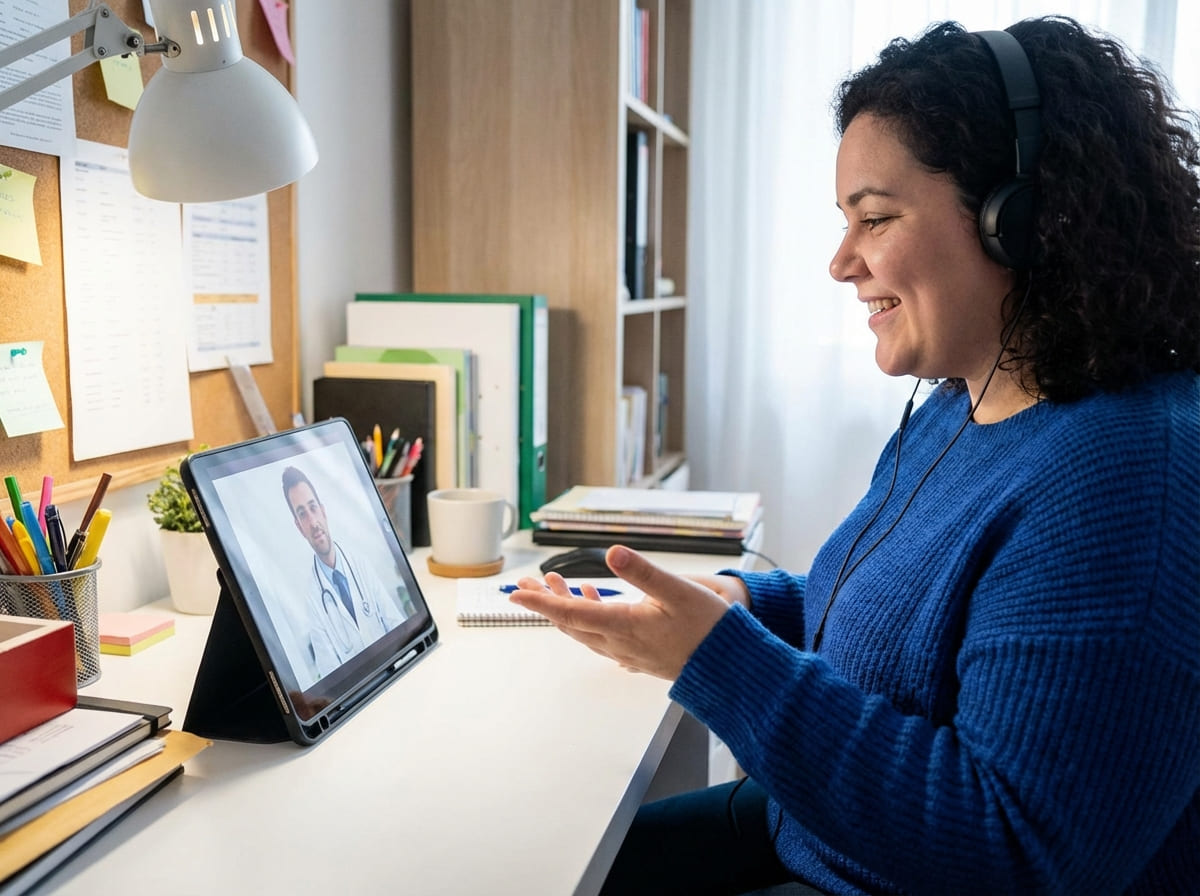
Companies like Ro, Hims & Hers, Calibrate, and Found offer GLP-1 medications bundled with doctor consultations, ongoing support, and sometimes coaching for flat monthly fees.
Typical pricing: $200-$500 per month depending on the medication and dose. This usually includes compounded semaglutide or tirzepatide, virtual doctor visits, prescription management, and customer support.
The convenience factor is real. You get medication shipped to your door, virtual consultations, and support without dealing with insurance or pharmacies. But you’re paying out-of-pocket monthly, and these services typically don’t accept insurance.
Some telehealth companies can prescribe brand-name medications and help navigate insurance, while others only offer compounded versions. Ask specifically what you’re getting before signing up.
Additional Costs to Consider Beyond Medication
The medication itself is the biggest expense, but other costs add up over time.
Supplies:
- Sharps container for needle disposal: $8-$15, lasts several months
- Alcohol wipes if not included with pens: $5-$10 for a large box
- Some auto-injector pens include needles, others require separate purchase
Most brand-name auto-injector pens come ready to use with minimal additional supplies needed. Compounded medications in vials require syringes, which your provider usually includes or you can purchase for $10-$20 for a month’s supply.
Doctor visits:
- Initial consultation: $100-$300 without insurance
- Follow-up appointments: $75-$150 per visit
- Most doctors want to see you monthly at first, then every 3 months
With insurance, copays for doctor visits are usually $20-$50. Telehealth services often bundle visits into their monthly fees.
Lab work:
- Baseline labs (comprehensive metabolic panel, A1C if diabetic, lipid panel): $100-$300 without insurance
- Follow-up labs every 3-6 months: $50-$200
- Most insurance covers necessary lab work with standard copays
Shipping costs:
- Mail-order pharmacies sometimes charge shipping: $5-$15
- Telehealth companies usually include shipping in their monthly fees
- Local pharmacy pickup has no shipping costs
Budget an extra $50-$100 per month beyond medication costs for supplies, doctor visits, and lab work, especially in your first few months when appointments are more frequent.
Cost Comparison: What Different Options Actually Cost
Here’s what you’ll realistically pay per month depending on your situation:
With excellent insurance coverage: $25-$50 per month after manufacturer savings card. This assumes your insurance covers the medication, you qualify for savings programs, and you have low specialty tier copays.
With poor insurance or high deductible: $150-$400 per month until you meet your deductible, then potentially lower. Many people with insurance still pay significant amounts due to high-deductible plans or expensive specialty tiers.
With no insurance using manufacturer programs: Usually not eligible for savings cards. Patient assistance programs might provide free medication if you meet income requirements, otherwise you pay full price of $900-$1,400. Another option is to purchase through TrumpRx.gov — you can download a coupon to show at the pharmacy. TrumpRx is a website that lists discounted drug prices from manufacturers that have agreed to Most Favored Nation (MFN) pricing.
Compounded route (no insurance): $200-$400 per month through telehealth services or compounding pharmacies. No insurance needed, but less quality assurance than brand-name.
Telehealth subscription bundled: $250-$500 per month including medication (usually compounded), doctor visits, and support. Convenient but entirely out-of-pocket.
The cheapest option: Excellent insurance + manufacturer savings card = $25-$50/month
The most expensive pathway: No insurance, brand-name medication = $900-$1,400/month
The middle ground: Compounded through telehealth = $200-$400/month or purchase get a discount coupon through the TrumpRx.gov website
The Bottom Line on GLP-1 Medication Costs
Budgeting for GLP-1 medications requires understanding your specific insurance situation, eligibility for savings programs, and alternative options if traditional routes don’t work financially.
Budget planning tips:
Start by calling your insurance to verify coverage before your first prescription. Ask about prior authorization requirements and what your copay will be after approval.
Apply for manufacturer savings cards if you have commercial insurance. These can reduce costs to $25 monthly and make a huge difference in affordability.
If you don’t qualify for savings programs or don’t have insurance, research compounded options through reputable telehealth companies. Budget $200-$400 monthly for this route.
Plan for additional costs beyond medication. Budget an extra $50-$100 monthly for doctor visits, lab work, and supplies, especially in your first 3-6 months.
Multiple options exist:
If one path doesn’t work financially, try another. Insurance denies coverage? Appeal and simultaneously explore compounded options. Can’t afford brand-name? Compounded versions cost less than a third. Income-qualified for patient assistance? You might get medication free.
The high list prices are real, but most people end up paying somewhere between $25 and $400 monthly by combining insurance, savings programs, or alternative options. Research your specific situation, ask questions, and be persistent about finding a pathway that fits your budget.
More Resources About GLP-1s