Week 1 on GLP-1s: The Beginning
Week 1 is all about getting through it. You’re introducing your body to something completely new, and it’s going to have some opinions about that.
What Happens Physically
Days 1-2 after injection or oral medication: Many people feel pretty normal, maybe even a little disappointed that nothing seems different. Some notice reduced appetite right away, but for most people, the first 24-48 hours are quiet.
Days 2-4: This is when things typically kick in. Nausea usually appears, ranging from mild queasiness to significant nausea that makes eating difficult. Your appetite drops noticeably. Food that sounded great yesterday suddenly doesn’t appeal to you at all.
You might feel tired or a bit “off” in a way that’s hard to describe. Some people get headaches. Your digestion might feel slower, and you could experience some bloating or gas.
Days 5-7: For some people, symptoms start improving slightly toward the end of week 1. For others, they’re still going strong. Both are normal. You’re also starting to notice that normal portions of food feel like way too much.
How to Eat During Your First Week on GLP-1s
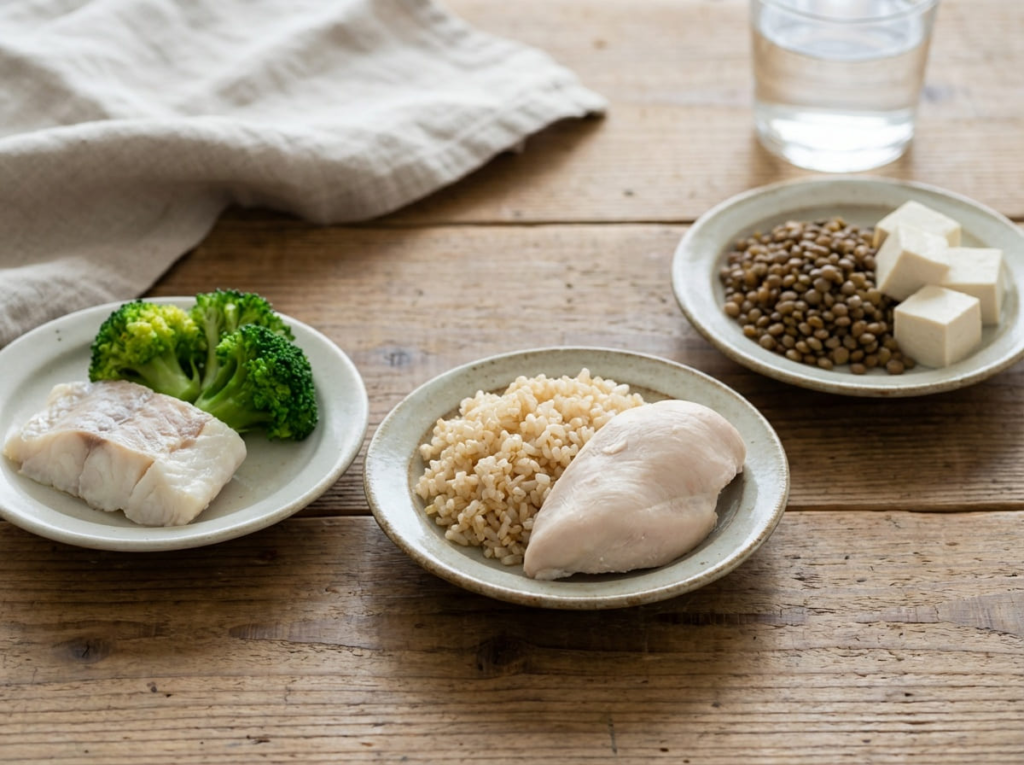
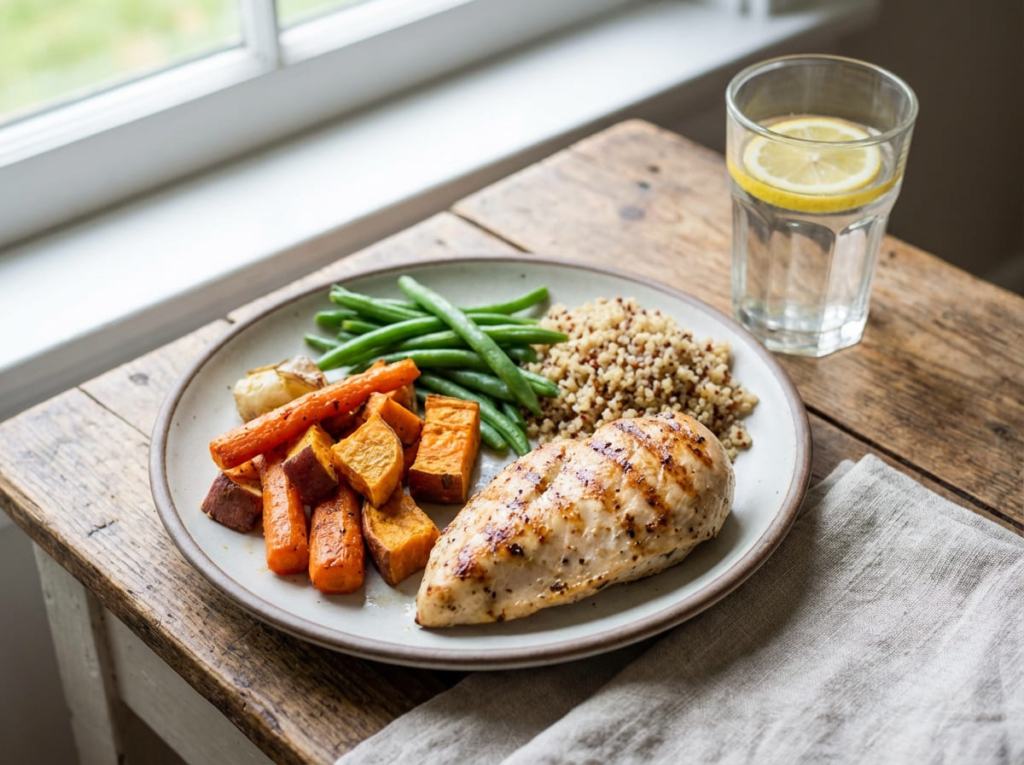
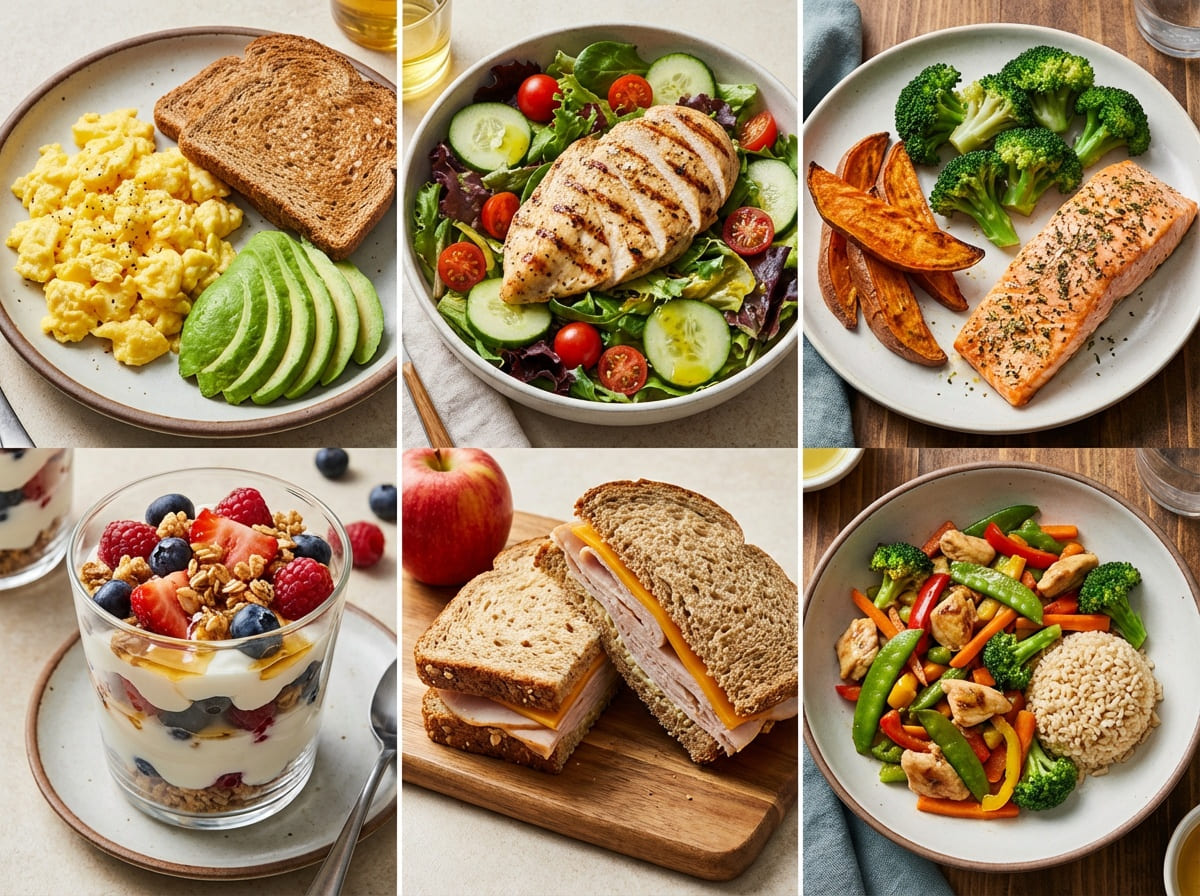
Keep it simple and bland. This isn’t the week to try new recipes or fancy meals. Stick with foods that are easy to digest and unlikely to upset your stomach: plain oatmeal, bananas, applesauce, toast, crackers, Greek yogurt, scrambled eggs, plain chicken, white rice.
Eat every 2-3 hours, even if you’re not hungry. Set alarms on your phone. Your appetite signals are MIA right now, but your body still needs fuel. Small, frequent eating prevents the nausea that comes from an empty stomach while avoiding the nausea from eating too much at once.
Portions should be tiny. Think 1/2 to 3/4 cup of food per eating occasion. Four bites of chicken, half a banana, a few spoonfuls of yogurt. It feels ridiculously small, but your stomach will tell you loud and clear if you eat more.
Protein is your priority. Before you eat anything else, get some protein in. Eggs, Greek yogurt, chicken, fish, or a protein shake. Even if you only eat a few bites, make those bites protein.
Stay hydrated. Sip water consistently throughout the day. Not with meals (that fills you up too fast), but between eating occasions. Aim for 64 ounces minimum. Dehydration will make every symptom worse.
Common Concerns
“I’m barely eating anything. Is this okay?” If you’re eating small amounts consistently throughout the day and hitting at least 1,000-1,200 calories with adequate protein, you’re fine for week 1. Your appetite will be very low, and that’s expected.
“The nausea is really bad. Should I stop?” Bad nausea in week 1 is normal. Try ginger tea, peppermint tea, crackers, and staying upright after eating. If you’re vomiting multiple times a day or can’t keep anything down, call your doctor. Otherwise, push through for now.
“I don’t feel anything at all. Is the medication working?” Some people have minimal side effects, especially on the starting dose. That’s fine. The medication is still working. Give it time.
Week 1 Checklist
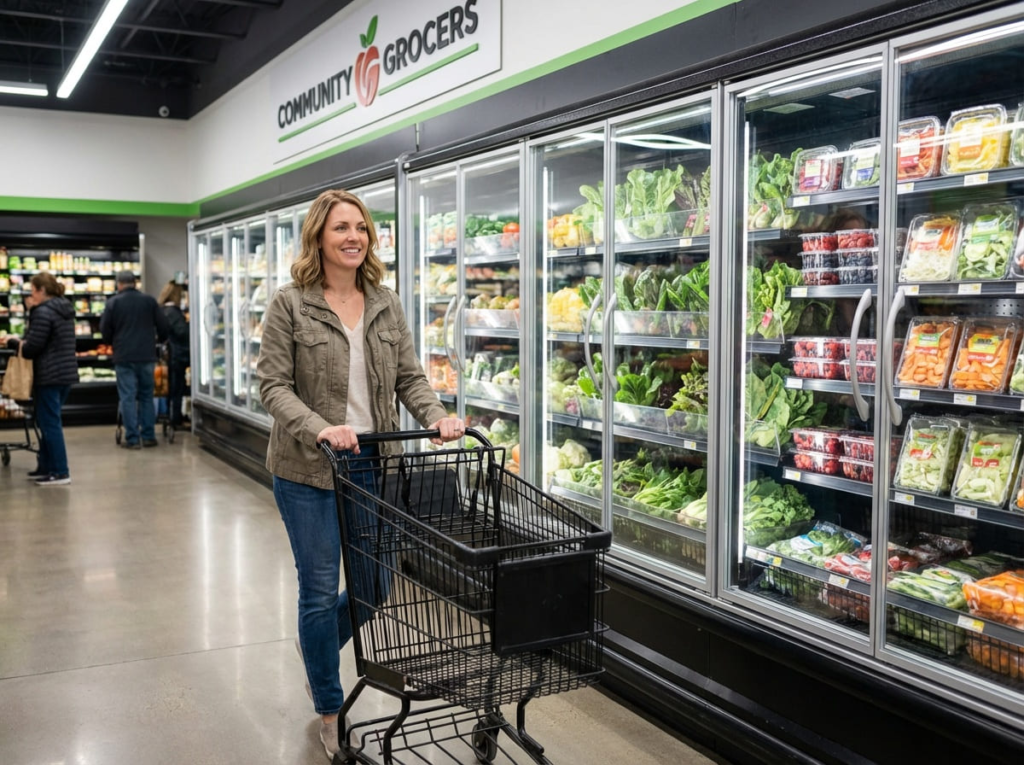
[ ] Stock kitchen with bland, easy foods
[ ] Buy or prep ready-to-eat protein options
[ ] Set eating reminders on phone for every 2-3 hours
[ ] Get ginger tea, peppermint tea, and crackers
[ ] Drink at least 64 oz of water daily
[ ] Track what foods you tolerate well
[ ] Note when nausea is worst (morning, after eating, etc.)
[ ] Have sharps container ready for needle disposal
Week 2 on GLP-1s: Early Adaptation
Week 2 is often the hardest week. Your body is actively adjusting, and side effects are usually at their peak. Hang in there.
Side Effects Shifting
Nausea evolution: For many people, nausea is worst during week 2 before it starts improving. It might shift from constant background nausea to more intense but shorter episodes, usually triggered by eating or certain smells.
Some people find their nausea actually gets a bit better during week 2, which is great. Others feel like it’s getting worse before it gets better. Both patterns are normal.
Constipation arrives: If you’re going to deal with constipation, it typically becomes noticeable during week 2. You might realize you haven’t had a bowel movement in 2-3 days, or that things are harder and more difficult than usual.
Don’t wait for it to become severe. Start addressing it now with increased water, fiber-rich foods (add slowly), and movement.
Digestive slowdown becomes obvious: Your stomach feels full for hours after eating. You might burp more than usual. Food just sits there. This is the medication doing its job, but it takes some getting used to.
Appetite Changes
Food becomes uninteresting. Things you normally love might seem meh. You’re not excited about meals. Sometimes you have to remind yourself to eat because you genuinely forget.
Aversions might appear. Certain foods or smells suddenly become completely unappealing. Coffee, chicken, eggs – foods that were fine last week might make you feel sick this week. This is frustrating but normal. Have backup options ready.
Fullness hits fast. You’re learning the hard way what “early satiety” means. A few bites and you’re done. If you push past that, you’ll feel uncomfortably full for hours.
Energy Levels
Week 2 fatigue varies wildly between people. Some feel fine. Others feel exhausted. If you’re tired, it’s usually because:
- You’re not eating enough calories overall
- You’re not getting enough protein
- Your body is adjusting to the medication’s effects
- You’re possibly dealing with mild dehydration
What helps: Prioritize protein at every meal, make sure you’re hitting at least 1,200 calories daily, stay hydrated, and don’t expect yourself to maintain your normal pace. Rest when you need to. A 20-minute walk can actually boost energy more than sitting around feeling tired.
Week 2 Checklist
[ ] Address constipation proactively (water, fiber, movement)
[ ] Track daily protein intake – aim for 60-80g
[ ] Note any new food aversions
[ ] Continue eating every 2-3 hours
[ ] Try eating at consistent times to build routine
[ ] Walk 15-20 minutes daily if possible
[ ] Keep symptom notes – are things improving or staying the same?
[ ] Prep easy meals for week 3 when you feel up to it
Week 3 on GLP-1s: Finding Rhythm
By week 3, you’re starting to figure out what works for your body. You’re not through the adjustment period yet, but patterns are emerging.
What Should Feel “Normal” Now
You’re getting used to reduced appetite. It’s less weird now. You’ve accepted that you’re just not hungry most of the time, and that’s okay. You’ve built a routine around eating by the clock instead of by hunger.
Nausea is more predictable. You know when it’s worst (usually mornings and right after eating). You know what triggers it (eating too much, eating too fast, certain foods). You know what helps (ginger tea, staying upright, small portions).
You’ve identified problem foods. By now you know which foods sit well and which ones don’t. You’ve figured out that cold foods work better than hot, or that protein shakes are easier than solid food some days, or that dinner needs to be really small.
Energy is stabilizing. If you were really fatigued in weeks 1-2, you’re probably starting to feel a bit better. Not back to normal, but better. Your body is adapting to the lower calorie intake.
Adjusting Portions
Week 3 is when you really dial in what appropriate portions look like for you right now.
What works for most people: 1/2 to 1 cup of food per meal, eaten over 20-30 minutes. That might be 3-4 oz of protein plus some vegetables. Or a small bowl of oatmeal with protein powder. Or half a sandwich.
Learn your signals. Your stomach will tell you when you’ve had enough, but it’s a subtle signal now, not an obvious “I’m full” feeling. It’s more like a gentle pressure or a slight turning-away feeling. When you notice it, stop eating. Even if there’s food left. Even if it seems like you barely ate anything.
Respect early fullness. If you push past that early signal because “I should eat more protein” or “I don’t want to waste food,” you’ll regret it. That uncomfortable, stuck feeling lasts for hours and often triggers nausea.
Save everything. Get used to eating half your meal and refrigerating the rest for later. Restaurant meals will feed you 2-3 times now. That’s your new normal.
Exercise Considerations
Light movement is good. Walking, gentle yoga, swimming, easy bike rides – all great. Movement and exercise helps with digestion, constipation, energy, and overall wellbeing.
Intense workouts might not feel good yet. If you’re still dealing with nausea, fatigue, or eating significantly fewer calories than usual, hard workouts can feel awful. Your body doesn’t have the fuel for intense exercise right now.
Listen to your body. Some people feel fine exercising normally by week 3. Others need to keep it light for another few weeks. Both are okay. Don’t force workouts that make you feel terrible.
Timing matters. Don’t work out right after eating (you’ll feel sick) or on an empty stomach (you’ll feel weak). Find what timing works for you.
Week 3 Checklist
[ ] Identify 5-10 foods/meals you tolerate well
[ ] Practice stopping when you hit early fullness
[ ] Start or continue gentle daily movement
[ ] Assess energy – improving, same, or worse?
[ ] Check in on hydration – still hitting 64+ oz?
[ ] Note bowel movement frequency
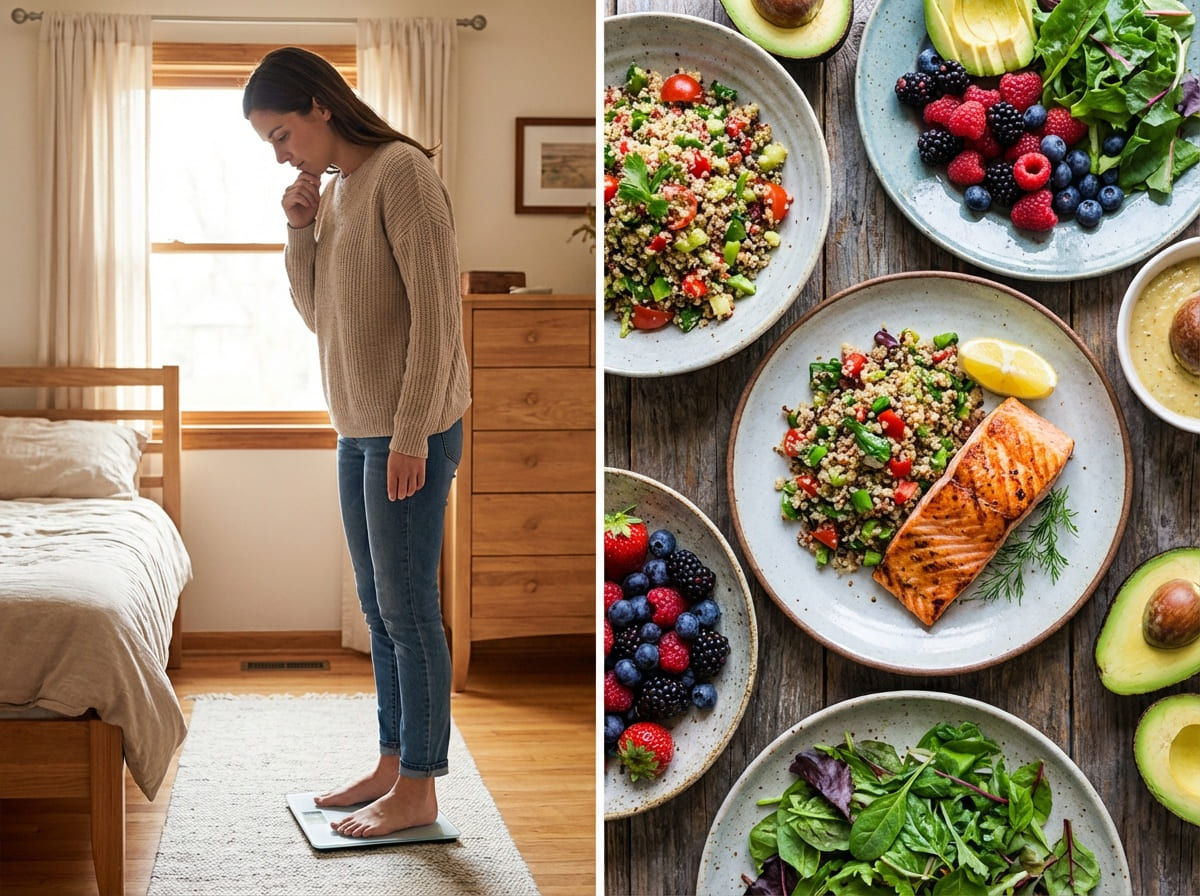
[ ] Weigh yourself if you want to (no pressure)
[ ] Plan for potential dose increase if scheduled
Week 4 on GLP-1s: First Assessment
Week 4 is your checkpoint. You’ve made it through the hardest part. Now you take stock of what’s working, what’s not, and what comes next.
What Progress Looks Like
Side effects should be improving. Nausea should be noticeably better than week 1-2, even if it’s not completely gone. Fatigue should be lessening. You should have more good days than bad days. If things haven’t improved at all, or they’re worse, that’s worth discussing with your doctor.
You’ve established eating patterns. You know roughly how much you can eat, when you tolerate food best, and which foods work for you. You’ve built a routine that gets you adequate nutrition even without normal hunger signals.
Weight loss has started. Most people lose 3-8 pounds in the first month, though this varies widely. Some lose more, some lose less. The scale is just one measure. How you feel matters more.
You feel more confident. Week 1 felt overwhelming and chaotic. Week 4 feels more manageable. You’ve figured some things out. You know what to expect. That’s progress.
When to Contact Your Doctor
Things that need attention:
- No improvement in side effects after 4 weeks, or they’re getting worse
- Unable to eat or drink adequately, losing weight too rapidly (more than 3 lbs/week consistently)
- Severe or persistent vomiting
- No bowel movement for 5+ days despite efforts to address it
- Extreme fatigue that interferes with daily life
- Any severe abdominal pain
- Questions about your dose or whether this medication is right for you
Normal check-in stuff:
- Reviewing your progress and side effects
- Discussing whether you’re ready for a dose increase
- Getting help with nutrition planning
- Asking about adding other medications if side effects are problematic
Planning for Month 2 on GLP-1 Medication
If you’re increasing your dose: Expect side effects to return temporarily, but usually milder than the first time and they resolve faster. Use the same strategies that worked in month 1. Plan the increase for a time when you have a few lighter days ahead.
If you’re staying at the same dose: Keep doing what’s working. Focus on consistency with protein intake, hydration, and movement. Continue building sustainable habits.
Setting realistic expectations: Month 2 is about refinement. You’ll feel more normal, side effects should be much better, and you’ll be fine-tuning your approach. Weight loss might slow down slightly from month 1, and that’s actually healthy.
Week 4 Checklist
[ ] Review symptom journal from the whole month
[ ] Calculate average weekly weight loss if tracking
[ ] Assess whether you’re meeting protein goals (60-80g daily)
[ ] Note which strategies worked best for you
[ ] Schedule follow-up with doctor if needed
[ ] Prepare for dose increase if scheduled
[ ] Celebrate making it through month 1!
[ ] Stock up on foods/supplies you know work well
When Things Don't Go as Planned on Your GLP-1 Journey
Not everyone’s first month on GLP-1s follows the typical pattern. Here’s what to do when things go sideways.
If Side Effects Are Unbearable
Some nausea and digestive changes are expected. But if you’re miserable, vomiting multiple times daily, can’t eat or drink adequately, or can’t function in your daily life, that’s not something you just have to tolerate.
What to do: Contact your doctor. They might:
- Prescribe anti-nausea medication
- Reduce your dose temporarily
- Slow down the titration schedule
- Suggest different strategies you haven’t tried
Don’t suffer in silence thinking you just have to push through. There are options.
If You’re Not Losing Any Weight
Most people see some weight loss in month 1, but not everyone. If the scale hasn’t budged at all:
Check these things first:
- Are you actually eating appropriate portions, or unconsciously eating more because you feel okay?
- Are you drinking calories (juice, alcohol, sugary drinks) that add up?
- Are you on other medications that affect weight?
- Did you just start or change exercise, which can cause temporary water retention?
Then talk to your doctor. Some people are slow responders and need a higher dose. Some have other factors affecting weight loss. Month 1 is early, and the starting dose is low, so not losing weight yet doesn’t mean the medication won’t work for you.
If You Have No Side Effects
Some people feel totally normal on the starting dose. No nausea, no fatigue, normal appetite. They wonder if the medication is even working.
This is okay. Some people just tolerate it really well, especially at low doses. As long as you’re noticing reduced appetite and some degree of earlier fullness, it’s working. You’ll likely notice more effects when you increase the dose.
If You’re Losing Weight Too Fast
Losing more than 2-3 pounds per week consistently can indicate that you’re not eating enough, which leads to muscle loss instead of fat loss.
What to do: Track your calories for a few days. Make sure you’re hitting at least 1,200 calories and 60-80g of protein daily. If you’re way under that, you need to intentionally eat more, even without hunger. Add protein shakes, nuts, avocado – calorie-dense nutritious foods in small amounts.
Talk to your doctor about whether your dose needs adjustment.
If Your Mental Health Is Struggling
Some people experience mood changes, increased anxiety, or feelings of depression on GLP-1s. This isn’t common, but it happens.
Don’t wait to address this. Contact your doctor immediately if you notice significant mood changes, especially if you have any thoughts of self-harm. Your mental health is more important than weight loss.
The Bottom Line
Month 1 is the biggest change you’ll experience with GLP-1s, and this can be hard. There’s no way around that. Your body is adjusting to significant changes, and you’re learning to navigate a completely different relationship with food and hunger.
But here’s what’s also true: it gets easier. Week 5 is easier than week 2. Month 2 is easier than month 1. The strategies you’re building now will serve you throughout your entire GLP-1 journey.
Be patient with yourself. Give your body time to adjust. Use the tools and strategies that help. And reach out for support whenever you need it. You’ve got this!
More GLP-1 Lifestyle Resources & Guides