Why Constipation is So Common When You’re On GLP-1s
Constipation ranks among the most common and frustrating side effects of GLP-1 medications. Studies show that 40-50% of people taking medications like Ozempic, Wegovy, and Mounjaro experience “adverse gastrointestinal reactions”, including constipation. While GLP-1s work by slowing gastric emptying to promote satiety and blood sugar control, this same mechanism can slow transit throughout the entire digestive tract, leading to infrequent, difficult bowel movements.
The situation compounds when you consider typical eating patterns on GLP-1 medications. Reduced appetite often means eating less overall volume, which naturally results in less bulk moving through your intestines.
Many people on GLP-1 medications also inadvertently reduce fiber intake when they cut calories, gravitating toward easy-to-digest proteins and simple carbohydrates while skipping vegetables and whole grains that feel too filling. This creates a perfect storm for constipation: slower gut motility from the medication combined with lower fiber and reduced food volume.
Fiber addresses constipation through multiple mechanisms. Insoluble fiber adds bulk to stool and helps it move through the digestive tract more efficiently. Soluble fiber absorbs water, creating softer, easier-to-pass stools. Both types feed beneficial gut bacteria, supporting overall digestive health.
For people on GLP-1s, strategic fiber intake becomes essential not just for preventing constipation, but for maintaining gut health and ensuring consistent, comfortable bowel movements.
Why Fiber Matters When You're On GLP-1 Medications
Beyond preventing constipation, fiber plays several important roles for people taking GLP-1s. Adequate fiber intake supports the gut microbiome, which influences everything from immune function to mood regulation. Research suggests that a diverse, fiber-rich diet promotes healthier gut bacteria populations.
Fiber also helps stabilize blood sugar levels by slowing carbohydrate absorption. For people using GLP-1 medications for diabetes management or metabolic health, this creates a complementary effect. The combination of medication-induced slower gastric emptying plus fiber’s natural blood sugar buffering can improve glycemic control.
Additionally, high-fiber foods tend to be nutrient-dense, providing vitamins, minerals, and antioxidants alongside their fiber content. When you’re eating fewer calories overall, choosing foods that deliver multiple nutritional benefits becomes crucial. A serving of lentils provides fiber, protein, iron, and folate. Berries offer fiber, vitamin C, and antioxidants. These foods help prevent nutrient deficiencies while addressing digestive concerns.
The challenge is balancing fiber intake with the reduced appetite and potential nausea from GLP-1 medications. Too much fiber too quickly can make bloating and discomfort worse. The key is gradual increase combined with adequate hydration.
How Much Fiber Do You Need on GLP-1s?
The USDA recommends 25 grams of fiber daily for women and 38 grams for men, though most Americans consume only 15-17 grams. For people on GLP-1 medications experiencing constipation, aiming for 25-30 grams daily often provides relief without causing excessive bloating or gas.
If you’re currently consuming low fiber (under 15 grams daily), don’t jump immediately to 30 grams. This sudden increase can cause significant digestive discomfort, including bloating, cramping, and gas. Instead, increase by 5 grams per week, allowing your digestive system to adjust gradually.
Gradual Fiber Increase Timeline:
- Week 1: Add 5g fiber (total: 15-20g daily)
- Week 2: Add another 5g (total: 20-25g daily)
- Week 3: Add final 5g (total: 25-30g daily)
Hydration is equally as important. Fiber absorbs water as it moves through your intestines. Without adequate fluid intake, adding fiber can actually make constipation worse rather than relieve it. Aim for at least 64 ounces of water daily, and increase that amount when you increase fiber consumption.
Some people find that 20-25 grams of fiber daily is sufficient for regular bowel movements, while others need closer to 30-35 grams. Your needs will vary based on medication dose, activity level, overall diet, and baseline digestive function. Start with the 25-30 gram target and adjust based on results.
15 High-Fiber Foods for GLP-1 Users
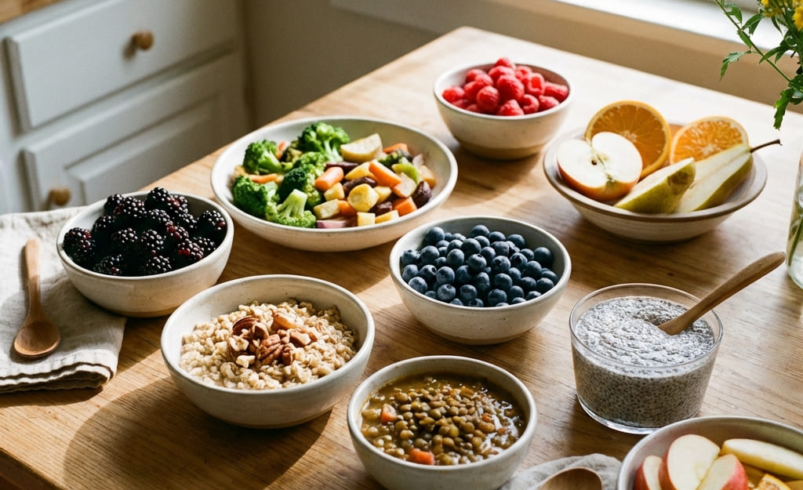
These foods are selected for their fiber content, digestibility, and practicality when appetite is reduced. Each listing includes realistic serving sizes that fit within typical GLP-1 eating patterns.
High-Fiber Vegetables (5 Foods)
- Broccoli (Cooked)
Serving size: 1 cup chopped (156g)
Fiber: 5g
Cooked broccoli provides both soluble and insoluble fiber along with vitamin C, vitamin K, and folate. Steaming until tender makes it easier to digest than raw broccoli, which can cause gas. The florets are typically gentler on the stomach than the stems.
- Brussels Sprouts (Cooked)
Serving size: 1 cup (156g)
Fiber: 4g
Brussels sprouts deliver substantial fiber alongside vitamins C and K. Roasting them brings out natural sweetness and creates a more appealing texture. Cut them in half and remove outer leaves if you find whole sprouts too dense.
- Carrots (Cooked)
Serving size: 1 cup sliced (156g)
Fiber: 5g
Carrots provide fiber with a naturally sweet flavor that most people enjoy. Cooking breaks down cell walls, making the nutrients more bioavailable and the fiber gentler on your digestive system. They’re versatile for soups, side dishes, or snacks.
- Sweet Potato (Baked with Skin)
Serving size: 1 medium (150g)
Fiber: 4g
Sweet potatoes offer fiber along with complex carbohydrates, vitamin A, and potassium. The skin contains much of the fiber, so leave it on when possible. Baking creates a soft, easy-to-digest texture that works well when appetite is low.
- Spinach (Cooked)
Serving size: 1 cup (180g)
Fiber: 4g
Cooked spinach condenses dramatically from its raw volume, making it easier to consume larger amounts. Along with fiber, it provides iron, calcium, and magnesium. Add to eggs, soups, or eat as a simple side dish with garlic and lemon.
High-Fiber Fruits (5 Foods)
- Raspberries
Serving size: 1 cup (123g)
Fiber: 8g
Raspberries contain more fiber per serving than almost any other fruit. They’re also relatively low in sugar compared to other berries. Frozen raspberries work just as well as fresh and are often more affordable. Add to yogurt, oatmeal, or eat plain.
- Pear (With Skin)
Serving size: 1 medium (178g)
Fiber: 6g
Pears provide both soluble and insoluble fiber, with much of it concentrated in the skin. Choose ripe pears that yield slightly to pressure for easier digestion. The soft texture when ripe makes them gentle on sensitive stomachs.
- Apple (With Skin)
Serving size: 1 medium (182g)
Fiber: 4g
Apples deliver pectin, a type of soluble fiber that feeds beneficial gut bacteria. The skin contains most of the fiber, so leave it on. Slicing apples and pairing with nut butter creates a balanced snack with protein, healthy fat, and fiber.
- Blackberries
Serving size: 1 cup (144g)
Fiber: 8g
Blackberries rival raspberries for fiber content while providing vitamin C and antioxidants. The small seeds contain much of the fiber. Like raspberries, frozen blackberries maintain their nutritional value and cost less than fresh.
- Banana (Medium)
Serving size: 1 medium (118g)
Fiber: 3g
Bananas offer soluble fiber, particularly when slightly underripe. They’re also one of the best sources of resistant starch, which functions similarly to fiber in the gut. The soft texture makes them easy to eat when other foods feel too heavy.
High-Fiber Grains and Legumes (5 Foods)
- Lentils (Cooked)
Serving size: 1/2 cup (100g)
Fiber: 8g
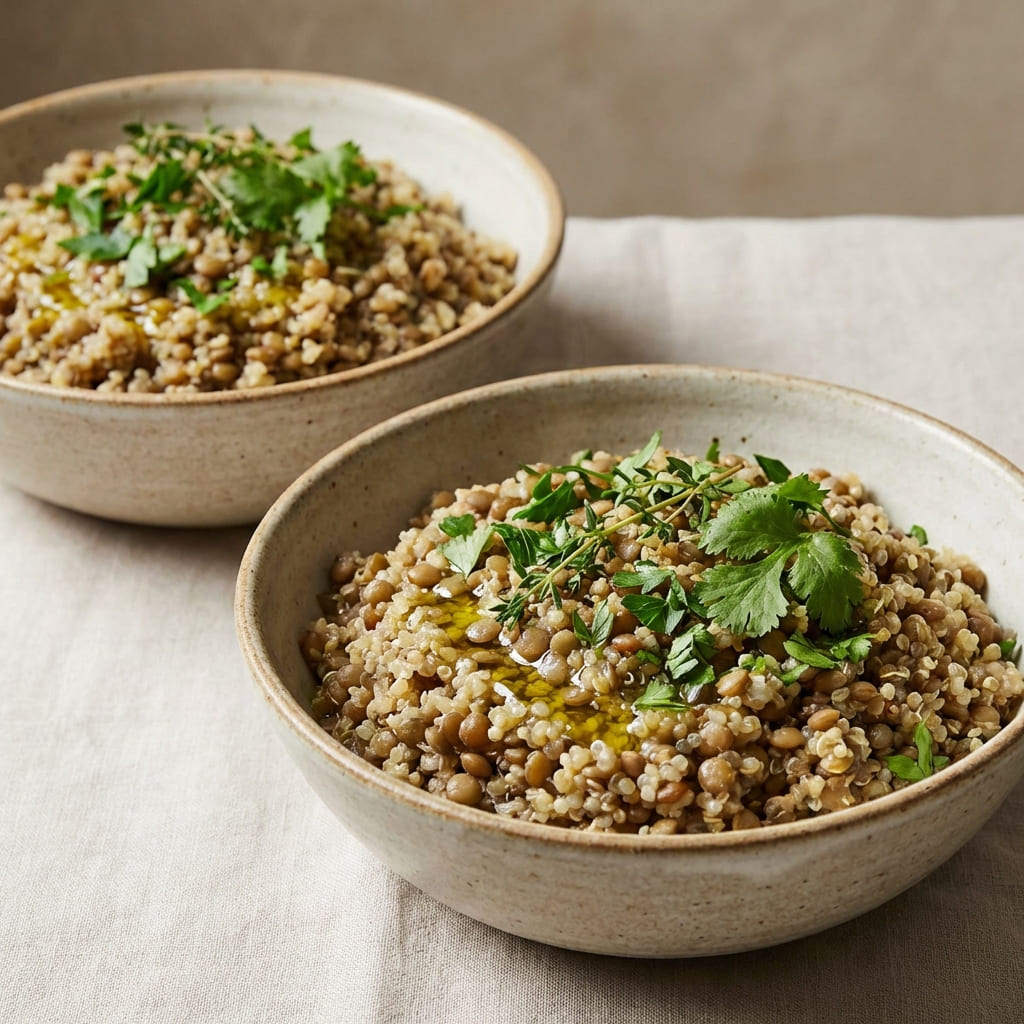
Lentils pack impressive fiber alongside protein (9g per serving) and iron. Red lentils cook quickly and break down into a soft, digestible texture. Brown and green lentils hold their shape better. Both types work well in soups, salads, or as side dishes.
- Black Beans (Cooked)
Serving size: 1/2 cup (85g)
Fiber: 7g
Black beans provide both fiber and protein (8g per serving) with a mild flavor. Rinsing canned beans thoroughly can reduce gas-producing compounds and lower sodium. Start with smaller portions if you’re not accustomed to beans.
- Oats (Steel-Cut or Rolled)
Serving size: 1/2 cup dry (40g)
Fiber: 4g
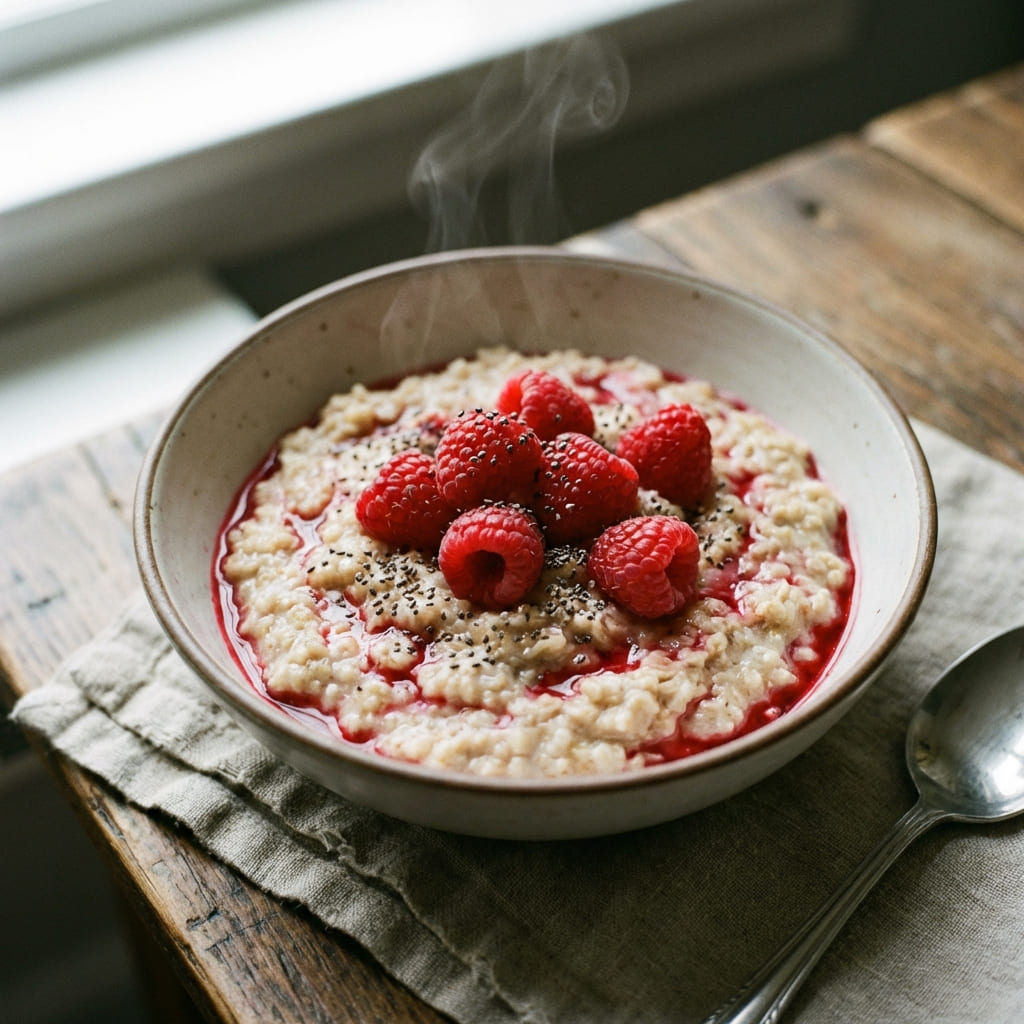
Oats contain beta-glucan, a specific type of soluble fiber that supports heart health and digestive function. They create a gentle, warm breakfast option that’s easy on the stomach. Cook with water or low-fat milk and top with berries for additional fiber.
- Quinoa (Cooked)
Serving size: 1 cup (185g)
Fiber: 5g
Quinoa offers more fiber than white rice while providing complete protein. The light, fluffy texture when properly cooked makes it easier to digest than denser grains. Use as a base for grain bowls or as a side dish.
- Chia Seeds
Serving size: 2 tablespoons (28g)
Fiber: 10g
Chia seeds deliver exceptional fiber in a small serving. They absorb liquid and form a gel, which can help with hydration and digestive regularity. Mix into yogurt, oatmeal, or make chia pudding. Start with 1 tablespoon if you’re new to chia seeds.
Tips for Increasing Fiber Gradually on Your GLP-1 Diet
Adding fiber to your diet while managing GLP-1 side effects requires a strategic approach. These practical tips help you increase fiber intake without triggering additional digestive discomfort.
Start with soluble fiber sources. Soluble fiber tends to be gentler on your digestive system than insoluble fiber. Oats, bananas, and cooked carrots provide soluble fiber that’s less likely to cause gas. Once your system adjusts, add insoluble fiber from vegetables and whole grains.
Cook your vegetables. Raw vegetables contain more insoluble fiber and can be harder to digest, particularly when your GI tract is already slow from medication. Cooking breaks down cell walls and softens fiber, making it easier to process. Steaming, roasting, or sautéing all work well.
Increase water intake alongside fiber. For every 5 grams of fiber you add, increase your water intake by 8-16 ounces. Fiber needs water to do its job. Without adequate hydration, adding fiber can make constipation worse rather than better.
Add one high-fiber food at a time. Rather than overhauling your entire diet at once, introduce one new fiber source every few days. This approach helps you identify which foods your body tolerates well and which might cause excessive gas or bloating.
Chew thoroughly and eat slowly. Taking time to chew food well starts the digestive process in your mouth and makes fiber easier to process downstream. This is particularly important on GLP-1 medications, which already slow digestion.
Spread fiber throughout the day. Instead of loading all your fiber into one meal, distribute it across breakfast, lunch, dinner, and snacks. This prevents overwhelming your digestive system and helps maintain more consistent bowel function.
Soak or rinse beans and legumes. If using canned beans, rinse them thoroughly under cold water to remove excess sodium and some of the gas-producing oligosaccharides. If cooking dried beans, soak them overnight and discard the soaking water before cooking.
Keep a symptom journal. Track which high-fiber foods you eat and note any digestive symptoms over the following 24 hours. This helps you identify patterns and adjust your choices accordingly. What works well for one person might cause discomfort for another.
Don’t eliminate fiber if you experience gas. Some gas and bloating is normal when increasing fiber intake. Your gut bacteria need time to adjust. Unless symptoms are severe, continue with your current fiber level for several days before deciding whether to reduce or continue increasing.
Pair fiber with protein and healthy fats. Combining fiber-rich foods with protein and fats creates more balanced meals that are easier on your digestive system. For example, pair an apple with almond butter, or add chickpeas to a salad with olive oil dressing.
When to Consider Fiber Supplements While On GLP-1s
Whole food sources should always be your first choice for fiber. They provide vitamins, minerals, and other beneficial compounds that supplements don’t offer. However, fiber supplements can be useful in specific situations for people on GLP-1 medications.
Consider supplements when:
You’re consistently falling short of your fiber target despite eating high-fiber foods. If you’re managing to consume only 15 grams daily despite best efforts, a supplement providing 5-10 grams can help bridge the gap.
Your appetite is severely suppressed and you’re struggling to eat adequate food volume. On days when solid food feels impossible, a fiber supplement mixed into a protein shake ensures you’re still supporting digestive function.
You’re experiencing persistent constipation despite dietary changes. If you’ve gradually increased fiber through food and maintained adequate hydration for 2-3 weeks without improvement, supplements might provide additional relief.
Types of fiber supplements:
Psyllium husk (Metamucil): Provides both soluble and insoluble fiber. Highly effective for constipation but requires significant water intake. Start with half the recommended dose to assess tolerance.
Methylcellulose (Citrucel): Pure soluble fiber that’s less likely to cause gas than psyllium. Gentler on the digestive system but may be less effective for severe constipation.
Inulin and chicory root fiber: Prebiotic fibers that feed beneficial gut bacteria. Can cause significant gas and bloating in some people. Start with very small amounts.
Acacia fiber: Soluble fiber that dissolves completely in liquid. Generally well-tolerated with minimal gas. May be less effective for constipation than psyllium.
Important supplement guidelines:
Take fiber supplements at least 2 hours away from medications or other supplements, as fiber can interfere with absorption. Drink at least 8 ounces of water with each dose of fiber supplement, and another 8 ounces within the following hour.
Start with half the recommended dose and increase gradually over 7-10 days. This prevents overwhelming digestive discomfort and allows your gut bacteria to adjust.
If you don’t see improvement after 5-7 days of consistent use at the full recommended dose, the supplement may not be right for you. Try a different type or consult your healthcare provider.
When to see a doctor:
Fiber supplements aren’t appropriate for everyone. Contact your healthcare provider if you experience no bowel movement for more than 3-4 days, severe abdominal pain or cramping, blood in your stool, or if constipation persists despite adequate fiber and hydration for several weeks.
Some people need additional interventions beyond fiber, including stool softeners, osmotic laxatives, or medication adjustments. Persistent constipation shouldn’t be ignored, as it can lead to more serious complications over time.
Building a High-Fiber Day for Your GLP-1 Diet
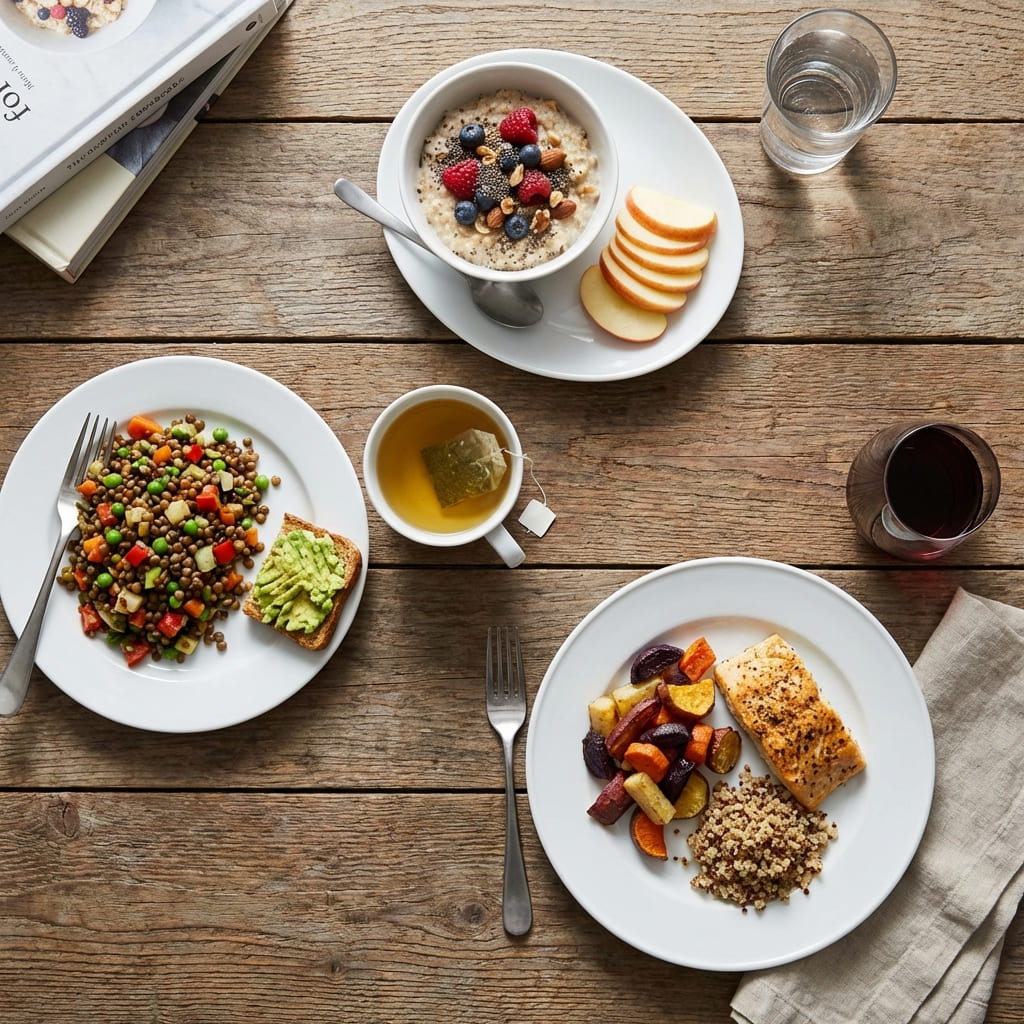
Understanding individual foods is helpful, but seeing how they fit into a complete day makes the information more practical. Here’s an example of reaching 28 grams of fiber while eating moderate portions suitable for GLP-1 users.
Breakfast:
- 1/2 cup cooked oats: 4g fiber
- 1/2 cup raspberries: 4g fiber
- 1 tablespoon chia seeds: 5g fiber
Lunch:
- 3 oz grilled chicken
- 1 cup cooked broccoli: 5g fiber
- 1/2 cup quinoa: 2.5g fiber
Afternoon Snack:
- 1 medium apple with skin: 4g fiber
- 1 tablespoon almond butter
Dinner:
- 3 oz baked salmon
- 1/2 cup black beans: 7g fiber
- 1 cup cooked spinach: 4g fiber
Total: 35.5g fiber
This example exceeds the minimum target, showing that adequate fiber is achievable even with smaller portion sizes. Adjust quantities based on your appetite and tolerance.
Managing constipation on GLP-1 medications requires patience and consistency with fiber intake. The digestive benefits compound over time as your gut bacteria adjust and your system finds a new rhythm. Combined with adequate hydration and gentle movement, strategic fiber consumption can significantly improve digestive comfort throughout your GLP-1 journey.
Related GLP-1 Resources