Breakfast Recipes

High-Protein Blueberry Cottage Cheese Pancakes (GLP-1 Friendly Breakfast)

  • December 30, 2025
  • 0

These high-protein blueberry cottage cheese pancakes are designed specifically for GLP-1 users who struggle with morning appetite and nausea.

High-Protein Blueberry Cottage Cheese Pancakes (GLP-1 Friendly Breakfast)

What can you eat for breakfast on Ozempic or other GLP-1s that’s actually high in protein? These cottage cheese pancakes pack 24g of protein into just two small pancakes, using slow-digesting casein protein that keeps you satisfied for hours. They’re light enough for a reduced appetite but substantial enough to protect muscle mass during weight loss.

Quick Recipe Info:

  • ⏱️ Prep Time: 5 minutes
  • 🍳 Cook Time: 10 minutes
  • 🍽 Servings: 4 pancakes (2 servings)
  • 💪 Protein: 24g per serving
  • ✅ GLP-1 Friendly: High-protein, gentle on stomach, small portions

Why This Recipe Works for GLP-1 Users

When you’re taking GLP-1 medications like Ozempic, Wegovy, or Mounjaro, eating breakfast can feel impossible. You need protein to preserve muscle during weight loss, but nothing sounds good and large portions feel overwhelming.

These cottage cheese pancakes solve that problem by packing 24 grams of protein into a breakfast that’s light, fluffy, and surprisingly easy on your stomach. The cottage cheese provides slow-digesting protein that keeps you satisfied for hours, while the small portion size respects your reduced appetite.

Plus, they’re naturally lower in carbs than traditional pancakes, which helps with blood sugar stability.

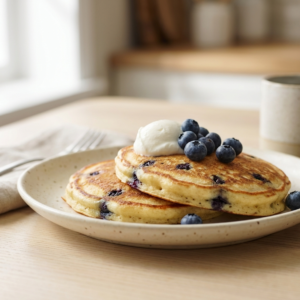
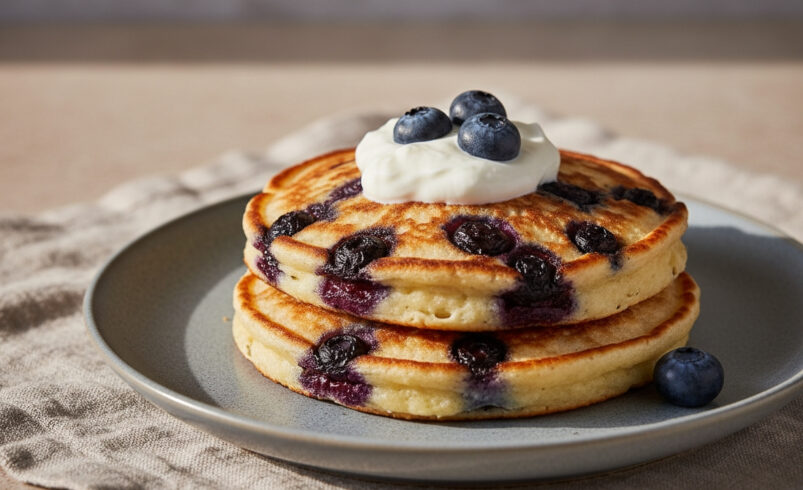
Plated GLP-1 friendly blueberry pancakes

Blueberry Cottage Cheese Pancakes (High-Protein GLP-1 Recipe)

Look forward to a delicious cooked breakfast that's high in protein and loaded with nutrition with this GLP-1 friendly recipe
Prep Time 5 minutes
Cook Time 10 minutes
Total Time 15 minutes
Course Breakfast
Servings 2
Calories 220 kcal

Ingredients
  

For the Pancakes

  • 1 cup low-fat cottage cheese
  • 2 large eggs
  • 1/2 cup oat flour (or blended oats)
  • 1/2 tsp baking powder
  • 1/2 tsp vanilla extract
  • 1/2 cup fresh blueberries
  • 1 tsp butter for pan (or use cooking spray)
  • Pinch of salt

Additional Toppings

  • 2 tbsp Greek yogurt
  • Fresh blueberries
  • 1 tsp honey

Instructions
 

  • Blend the batter: Combine cottage cheese, eggs, oat flour, baking powder, vanilla, and salt in a blender or food processor and blend until smooth, about 30 seconds.
  • Rest the batter: Let the batter sit for 2-3 minutes to allow the oat flour to absorb moisture and create fluffier pancakes.
  • Heat your pan: Warm a non-stick skillet over medium heat and lightly coat with cooking spray or butter.
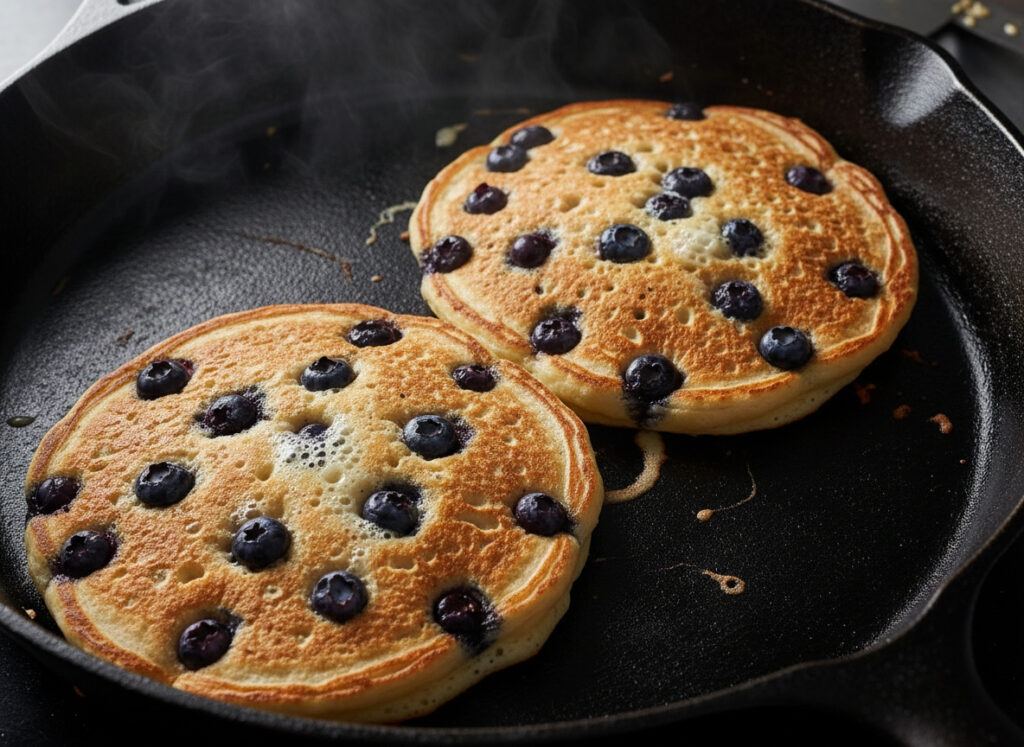
  • Cook the pancakes: Pour 1/4 cup of batter per pancake onto the hot skillet and immediately press 4-5 blueberries into the top of each pancake.
  • Wait for bubbles: Cook for 2-3 minutes until bubbles form on the surface and edges look set.
  • Flip carefully: Use a wide spatula and flip gently, as these pancakes are more delicate than traditional ones, then cook for another 2 minutes until golden brown.
  • Serve warm: Top with a dollop of Greek yogurt, extra blueberries, and a light drizzle of honey if desired.

Nutrition Facts

Per Serving – 2 Pancakes

  • Calories: 220
  • Protein: 24g
  • Carbohydrates: 20g
  • Fat: 6g
  • Fiber: 3g
  • Sugar: 7g (naturally occurring)

Why This Recipe Works for GLP-1 Medications

If you’ve been on semaglutide, tirzepatide, or any GLP-1 medication for more than a few days, you know the struggle. You need to eat protein, but nothing sounds good, and large portions feel overwhelming.

This recipe addresses three major challenges GLP-1 users face. Research shows that during rapid weight loss, maintaining muscle mass requires adequate protein intake of 0.7 to 1 gram per pound of body weight. With a drastically reduced appetite, hitting that target is difficult.

These pancakes deliver 24 grams of high-quality protein in just two small pancakes, making it much easier to meet your daily needs without forcing yourself to eat large volumes of food.

Many GLP-1 users report that greasy, heavy, or overly sweet foods trigger nausea, especially in the morning. Cottage cheese is one of the most gentle protein sources available. It’s easily digestible, low in fat, and has a mild flavor that rarely triggers queasiness. The small portion size also respects your reduced stomach capacity.

Cottage cheese contains casein protein, which digests slowly and provides sustained energy for 3-4 hours. This means you can eat a reasonable breakfast and actually make it to lunch without feeling shaky or depleted. The blueberries add natural sweetness and fiber without heavy syrup or added sugars, which can sometimes trigger nausea or cause blood sugar spikes.

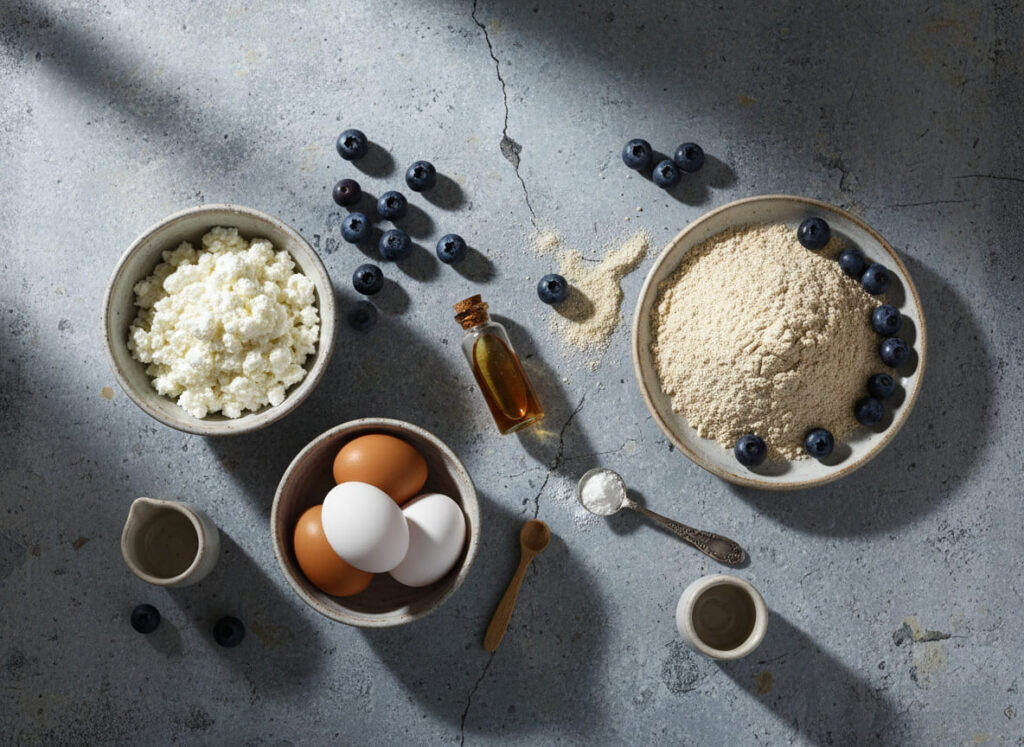
Ingredients for GLP-1 blueberry pancakes

Key Ingredients That Make This Work

Cottage Cheese

Cottage cheese is your secret weapon when you’re on GLP-1 medication. A half-cup serving provides about 14 grams of protein with only 80 to 90 calories, making it one of the most protein-dense foods available.

Unlike whey protein supplements that digest quickly, cottage cheese contains casein, a slow-release protein that keeps you feeling full for hours. Your reduced appetite means you’re eating less frequently, so each meal needs to carry you further. The mild flavor and smooth texture of blended cottage cheese rarely triggers nausea, making it ideal for breakfast when you’re dealing with morning queasiness.

Eggs

Two large eggs provide about 12 grams of complete protein, meaning they contain all nine essential amino acids your body needs to maintain muscle tissue during weight loss.

Beyond protein, eggs supply B vitamins that support energy production when you’re eating less overall. They also contain choline, which supports brain function and metabolism. Plus eggs are widely tolerated and rarely cause digestive issues with your medication.

The high-quality protein and healthy fats help stabilize blood sugar, preventing the energy crashes that can happen when you’re eating smaller, less frequent meals.

Blueberries

Fresh blueberries bring more than just flavor. At only 40 calories per half-cup, they add fiber, vitamin C, and powerful antioxidants that support overall health during weight loss.

The fiber is particularly valuable when you’re on GLP-1s. These medications slow gastric emptying, which helps you feel full, but some people experience constipation as a side effect. The natural fiber in blueberries supports digestive regularity without being harsh or uncomfortable. Plus, blueberries provide natural sweetness without added sugar.

Oat Flour

Oat flour serves as the base that holds these GLP-1 friendly pancakes together while contributing important nutrients.

Unlike refined white flour, oat flour provides soluble fiber that supports heart health and helps regulate blood sugar levels.

Oats are considered a bland food, so they’re unlikely to irritate your stomach or trigger nausea. They’re also naturally gluten-free if you use certified gluten-free oats.

The complex carbohydrates in oat flour provide steady energy without causing blood sugar spikes. You can easily make oat flour at home by blending rolled oats in a blender for 30 seconds.

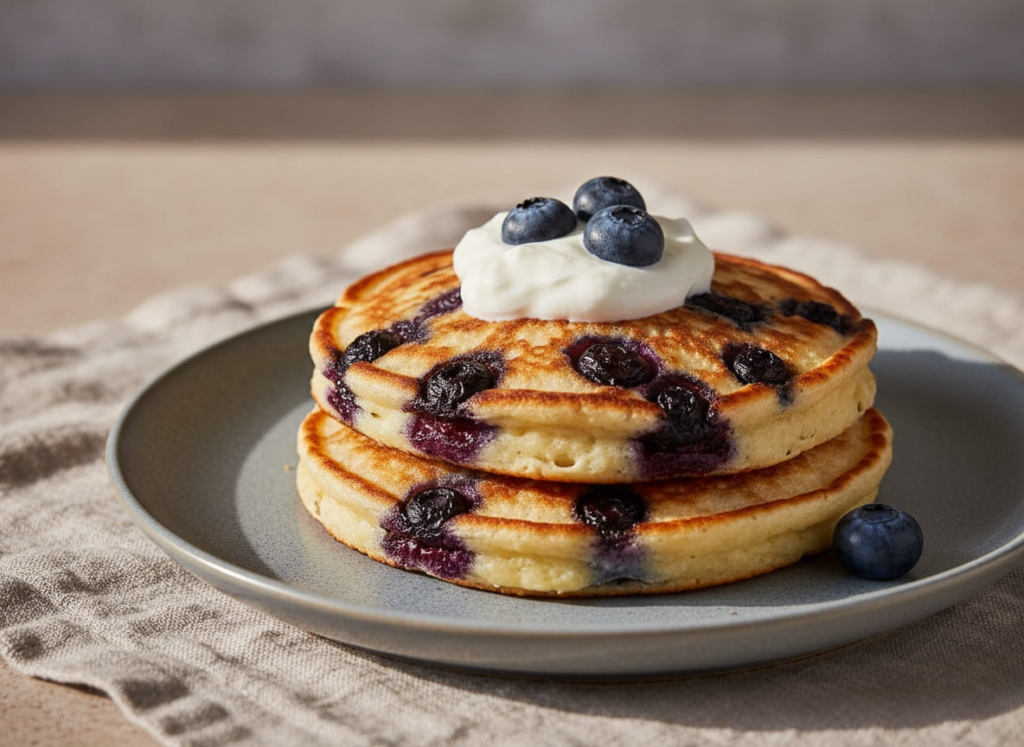
Blueberry cottage cheese pancakes on a plate

Recipe Tips When You're on GLP-1s

Start Small

If you’re new to GLP-1 medication or recently increased your dose, start with just one pancake to see how you feel. You can always eat the second one 30 minutes later if you’re still hungry. Eating too much too quickly can trigger nausea, even with gentle foods like these.

Best Timing

Many GLP-1 users report that nausea is lowest in the morning, making breakfast the easiest meal to eat. However, some people find that waiting 1-2 hours after waking allows their stomach to settle. Experiment to find your optimal timing.

Temperature Matters

If you’re feeling nauseous, let these pancakes cool to room temperature before eating. Some people find that hot foods trigger queasiness, while room-temperature or even cold foods are easier to tolerate.

Eat Slowly

Take your time with this meal. Eating too quickly can overwhelm your slowed digestive system. Put your fork down between bites and aim to take at least 15-20 minutes to finish your portion.

Skip the Syrup

Traditional maple syrup or sugary syrups can feel too heavy or sweet for many people on GLP-1 medications. The natural sweetness of blueberries plus a small drizzle of honey or a dollop of Greek yogurt provides plenty of flavor without overwhelming your system.

Modify as Needed

Lorem ipsum dolor sit amet, If two pancakes feel like too much, make them smaller by using 2-3 tablespoons of batter instead of 1/4 cup. The psychological win of finishing your meal matters for maintaining a healthy relationship with food.

Storage & Meal Prep

Refrigerator Storage: Cooked pancakes will keep in an airtight container in the refrigerator for up to 4 days. Place parchment paper between pancakes to prevent sticking.

Freezer Storage: These pancakes freeze beautifully for up to 2 months. Cool completely, then freeze in a single layer on a baking sheet for 1 hour. Transfer to a freezer bag with parchment paper between each pancake.

Reheating: For best results, reheat in a toaster or toaster oven until warmed through, about 2-3 minutes. You can also microwave for 30-60 seconds, though they’ll be slightly less crispy. Avoid reheating in a regular oven as they can dry out.

Meal Prep Strategy: Make a double batch on Sunday and store in individual portions. Each morning, you have a high-protein breakfast ready in minutes. This is perfect for those days when cooking feels impossible due to fatigue or nausea.

Batter Storage: The batter can be made the night before and stored in the refrigerator, making morning preparation even faster. Give it a quick stir before cooking.

Frequently Asked Questions

Can I eat pancakes on Ozempic or other GLP-1 medications?

Yes, absolutely. Traditional pancakes made with white flour and topped with syrup might feel too heavy or sweet, but these protein-rich cottage cheese pancakes are specifically designed for people on GLP-1 medications. They provide the protein you need in a portion size that respects your reduced appetite, with ingredients that are gentle on your stomach.

How much protein do I need on semaglutide or tirzepatide?

Most research suggests that people losing weight should aim for 0.7 to 1 gram of protein per pound of body weight to preserve muscle mass. For someone weighing 200 pounds, that’s 140 to 200 grams daily. This becomes challenging with reduced appetite, which is why high-protein, small-portion meals like these pancakes are so valuable. These two pancakes provide about 12-17% of your daily protein needs in one manageable meal.

What if I’m lactose intolerant?

Cottage cheese is relatively low in lactose compared to milk, and many people with mild lactose intolerance tolerate it well. However, if you’re sensitive, look for lactose-free cottage cheese, which is widely available, or try ricotta cheese as a substitute. You can also use a plant-based alternative, though the protein content will be lower.

Are these pancakes good for weight loss beyond GLP-1 medications?

Yes. These pancakes are excellent for anyone focused on high-protein eating and weight management. The high protein content, moderate calories, and blood sugar-friendly ingredients make them a smart choice whether you’re on medication or not.

Can I make these without a blender?

Yes, though the texture will be slightly different. Mash the cottage cheese with a fork until mostly smooth, then whisk in the remaining ingredients. The pancakes will have a bit more texture from the cottage cheese curds, but they’ll still taste great and provide the same nutritional benefits.

Why are my pancakes falling apart when I flip them?

Cottage cheese pancakes are more delicate than traditional pancakes because they contain less flour. Make sure your batter has rested for 2-3 minutes before cooking, use a wide spatula, wait until bubbles cover the surface before flipping, and flip gently in one confident motion. Cooking over medium heat, not high, also helps them set properly.

Related GLP-1 Recipes

Have you tried this recipe? Share your experience in the comments below and let us know how it worked with your GLP-1 journey!