Lemon Garlic Shrimp with Zucchini Noodles (GLP-1 Dinner)
- January 11, 2026
- 0
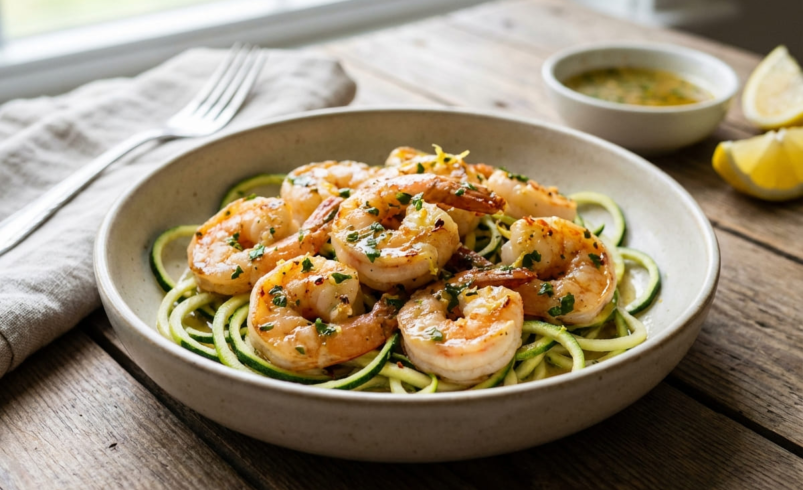
These lemon garlic shrimp with zucchini noodles are a great GLP-1 recipe when you want a light, high-protein dinner.
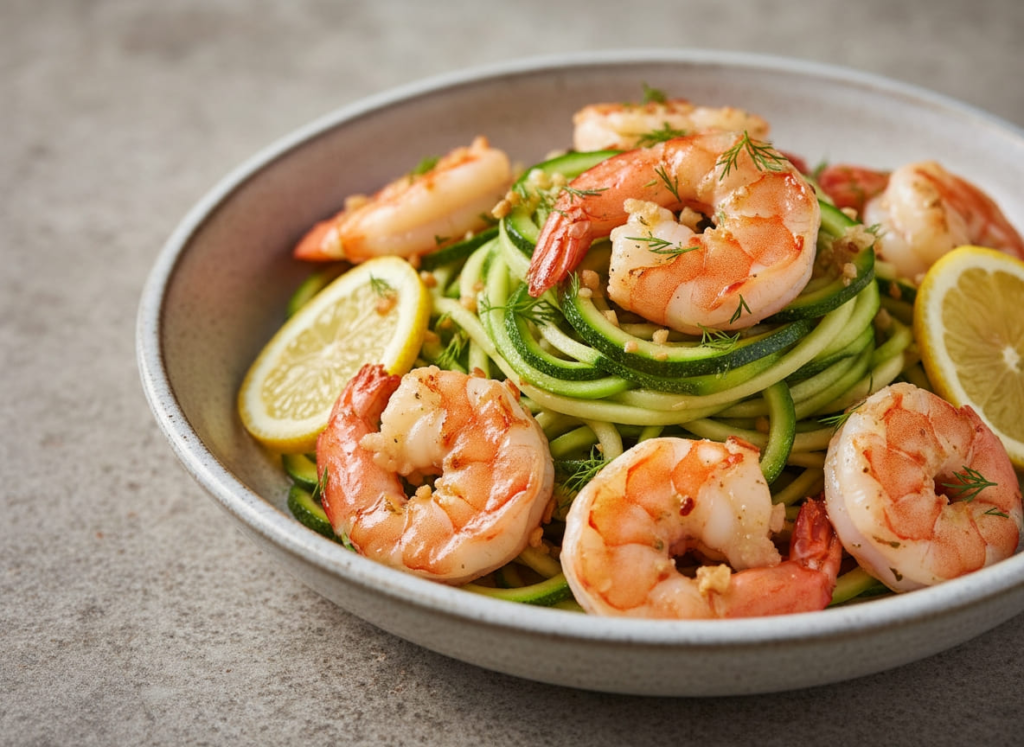
Craving pasta on GLP-1 medication but dreading the heaviness? This lemon garlic shrimp with zucchini noodles recipe delivers 32g of protein and only 12g of carbs in a meal that looks like a big bowl of pasta but sits light on your stomach. Shrimp cooks in minutes and digests easier than most proteins, making this ideal for nights when you need something fast and satisfying.
Quick Recipe Info:
There was this night about two months into my GLP-1 weight loss journey when I was craving pasta so badly but knew regular pasta would make me feel terrible. I’d tried zucchini noodles before and thought they were kind of sad and disappointing. But I was desperate enough to try again, this time with shrimp and a ton of lemon and garlic. Turns out, when you’re not comparing them to actual pasta but treating them as their own thing, zucchini noodles are actually pretty great.
Shrimp became one of my staple proteins because it cooks in literally minutes and doesn’t sit in your stomach like chicken or beef can. This entire dish takes under 30 minutes, delivers 32 grams of protein, and feels satisfying without that awful overfull feeling that wheat pasta creates. The lemon and garlic create a nice flavor without cream or cheese, which matters when rich foods make you feel sick.
Table of Contents
Toggle
Per Serving
Calories: 340
Protein: 32g
Carbohydrates: 12g
Fat: 19g
Fiber: 4g
Traditional pasta dishes have become impossible for me on GLP-1s. The heaviness, the bloating, that uncomfortable fullness that lasts for hours. This version gives you the satisfaction of a pasta meal without any of that misery. You get the visual of a big bowl of noodles, but it sits light in your stomach instead of like a brick.
Shrimp is one of the easiest proteins to digest. The tender texture requires minimal chewing and breaks down quickly. Unlike chicken that can feel heavy or beef that sits forever, shrimp provides complete protein without the weight. Four ounces gives you 32 grams, which is a huge chunk of your daily protein needs in a meal that takes less than 30 minutes.
The zucchini noodles are where this gets smart. Three medium zucchini create a generous portion that looks substantial but contains only 12 grams of carbs per serving. The mild flavor doesn’t compete with the lemon and garlic. It just acts as a vehicle for all that bright flavor. The slight crunch adds texture that fully cooked pasta can’t match.
What I appreciate most is how quickly this comes together. Ten minutes of actual cooking time. That matters when cooking feels exhausting and you just need to eat something nutritious without a huge production.
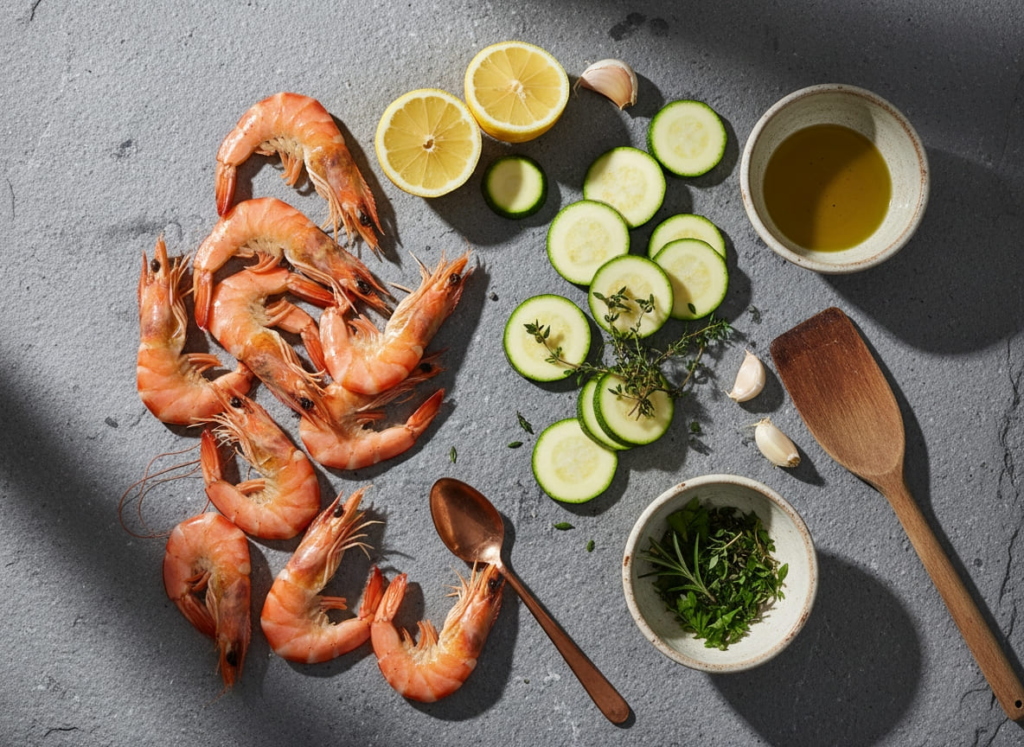
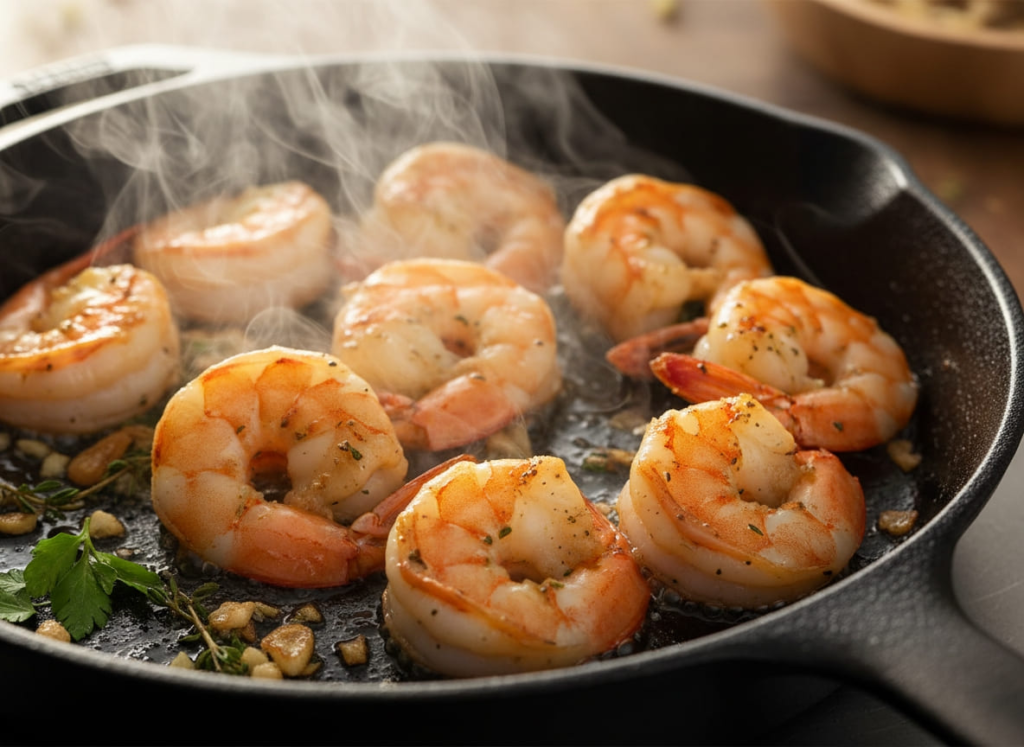
Shrimp is almost pure protein with minimal fat. It cooks in minutes, making it perfect when you need food fast. The firm yet tender texture is easy to handle even when your appetite is reduced.
Buy peeled and deveined shrimp to save time. Look for 16-20 count or 21-25 count per pound. These larger sizes have better texture and are easier to cook without overcooking. Shrimp also provides selenium for thyroid function and vitamin B12 for energy, both important during weight loss.
Zucchini is 95% water, making it extremely low in calories while providing serious volume. Three medium zucchini create about 4 cups of noodles, enough for two generous servings. The neutral flavor works with any sauce, and it’s easy to digest.
Salting the noodles before cooking is crucial. This draws out excess moisture that would otherwise water down your sauce. It takes 10 minutes but makes the difference between a good dish and a watery mess.
Cherry tomatoes are sweeter and less acidic than large tomatoes. They provide lycopene, vitamin C, and visual appeal with minimal calories. The small size makes them easy to eat in the salad without needing to cut around cores or deal with excess liquid. Their burst-in-your-mouth quality adds textural interest. High water content contributes to hydration, and the natural sweetness balances the peppery arugula and tangy balsamic.
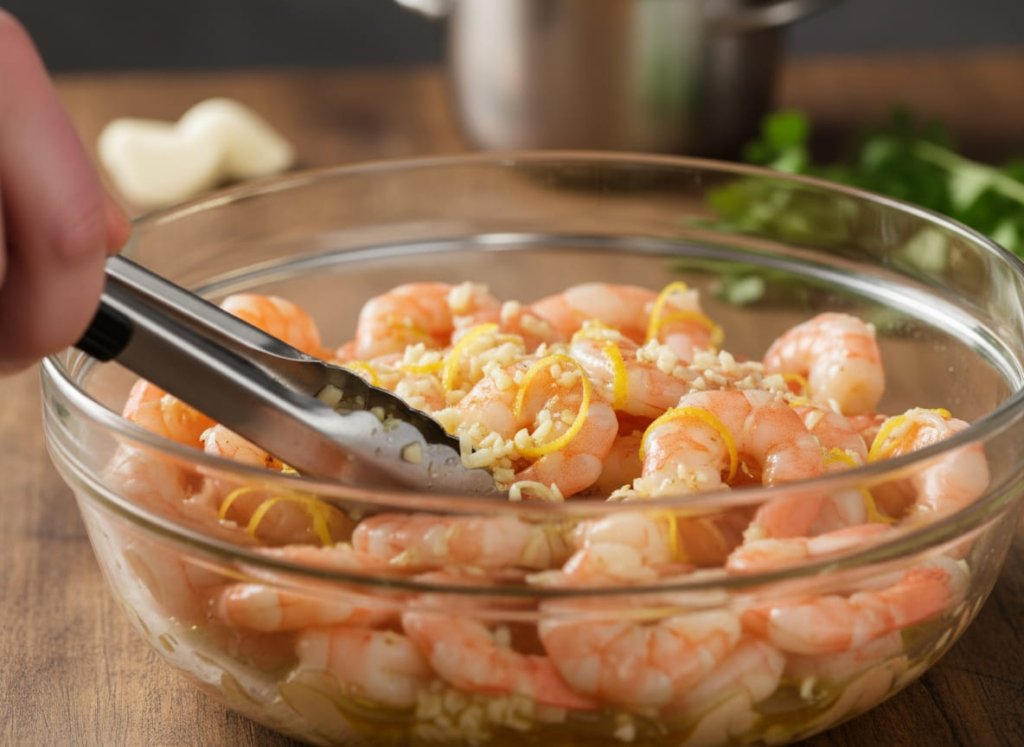
Fresh garlic delivers big flavor and has anti-inflammatory properties. Using both lemon juice and zest gives you layered flavor. The brightness from the juice and the concentrated essence from the zest. It’s what makes this dish feel special instead of bland.
Eat the shrimp first. Start with protein before moving to the zucchini noodles. This ensures you meet your nutritional needs even if you can’t finish everything. I learned this after too many meals where I filled up on vegetables and barely touched my protein.
Adjust your portion size. If a full serving feels like too much, divide this into three portions instead of two. Eating smaller amounts more frequently often works better than trying to force down a full plate when your appetite is suppressed.
Watch the garlic intensity. If you’re experiencing heightened sensitivity to strong flavors, reduce the garlic to 2 cloves. You can always add more next time, but you can’t take it away once it’s cooked in.
Skip the red pepper flakes entirely. The optional heat is just that, optional. If you’re experiencing any digestive sensitivity or acid reflux, leave them out. The dish has plenty of flavor from lemon and garlic alone.
Temperature flexibility matters. This tastes good warm, room temperature, or even chilled. If hot food triggers nausea, let it cool before eating. The flavors stay bright and appealing when served cold, which has saved me on rough days.
Don’t overcook the zucchini. Two to three minutes maximum. Overcooking releases water and creates mushy noodles. You want them slightly softened but still with some crunch
Immediate storage: Transfer leftovers to an airtight container and refrigerate within 2 hours. Keeps for 2-3 days. Note that zucchini noodles release water as they sit, so the texture will be softer when reheated.
Separate components: For best results, store cooked shrimp and zucchini noodles separately. Combine when ready to eat. This prevents the noodles from becoming overly watery.
Reheating: Use a skillet over medium heat for 2-3 minutes, tossing frequently. Avoid the microwave if possible because it makes shrimp rubbery. If you must microwave, use 50% power and heat in 30-second intervals.
Advance prep: Spiralize zucchini up to 1 day ahead. Store in a container lined with paper towels to absorb moisture. Don’t salt until ready to cook.
Shrimp prep: You can peel and devein shrimp a day ahead, but don’t cook until ready to serve. Shrimp overcooks easily and becomes tough when reheated.
Can I use frozen shrimp for this recipe?
Yes. Thaw in the refrigerator overnight or place in a colander under cold running water for 10 minutes. Pat completely dry before cooking. Frozen shrimp contains added water, so thorough drying is essential for proper searing.
What if I don’t have a spiralizer?
Use a julienne peeler, regular vegetable peeler, or a knife. Vegetable peelers create ribbons rather than spirals, but they work perfectly. You can also buy pre-spiralized zucchini noodles in most grocery stores to save time.
Is this recipe suitable for Ozempic users?
Absolutely. The high protein, low carbs, and light texture make this ideal for anyone on semaglutide medications. The quick digestion and gentle ingredients are well-tolerated by most people managing reduced appetite.
Can I add other proteins instead of shrimp?
Yes. Scallops, white fish, or chicken all work with this preparation. Adjust cooking times accordingly. Scallops take about the same time as shrimp, while chicken needs 6-8 minutes per side.
Why do my zucchini noodles get watery?
Two reasons. First, you didn’t salt them and let them drain long enough. Second, you overcooked them. Cook just until slightly softened, 2-3 minutes maximum.
How can I make this more filling?
Add avocado slices or a sprinkle of pine nuts for healthy fats. You can also serve over a small portion of cauliflower rice for additional volume without many carbohydrates.

Have you tried this recipe? Share your experience in the comments below and let us know how it worked with your GLP-1 journey!