Overview of Common Side Effects
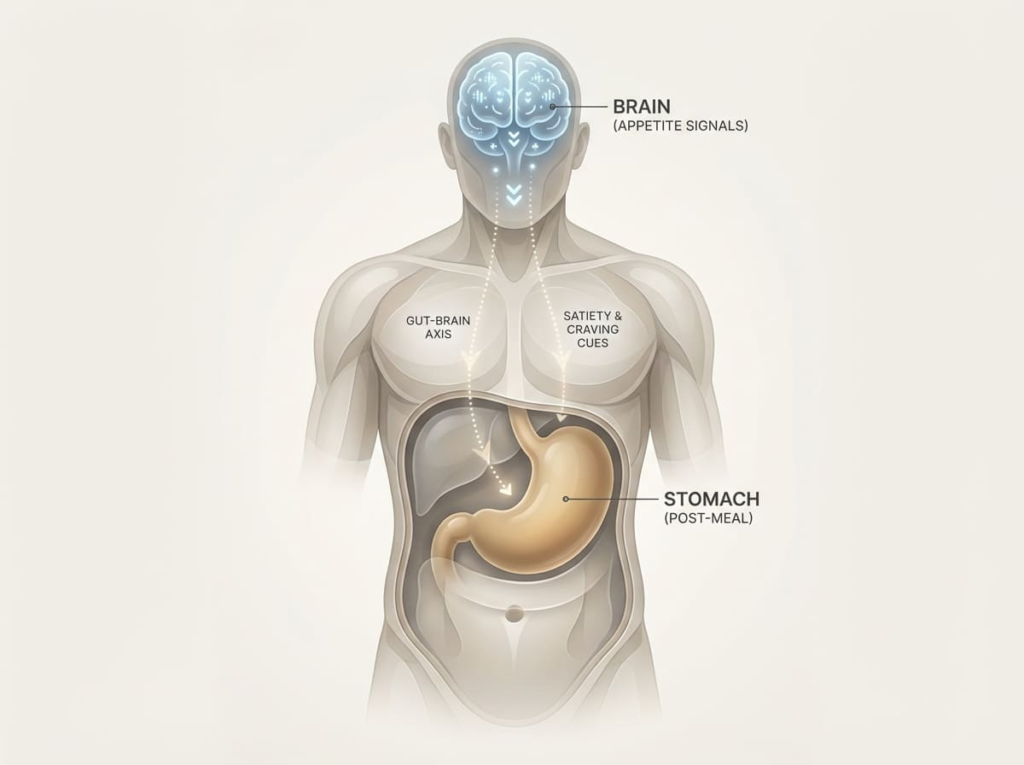
GLP-1 medications slow down how quickly food leaves your stomach and change the hunger signals in your brain. That’s exactly how they help you lose weight. But these same mechanisms create side effects that most people experience at some level.
Here’s what commonly happens:
- Nausea (very common in first week)
- Constipation (very common throughout treatment)
- Reduced appetite and feeling full super fast (almost everyone experiences this)
- Fatigue (common at first)
- Diarrhea (less common than constipation, but it happens)
- Acid reflux or heartburn (some people get this)
- Bloating and gas (especially during the first few weeks)
How bad these side effects feel varies wildly from person to person. Some people breeze through with barely any discomfort while others struggle more during those first few weeks. You might feel them intensely or not feel anything at all.
The good news is most side effects peak in the first 2-4 weeks and then start getting better as your body adjusts.
Quick Solutions by GLP-1 Symptoms
Nausea
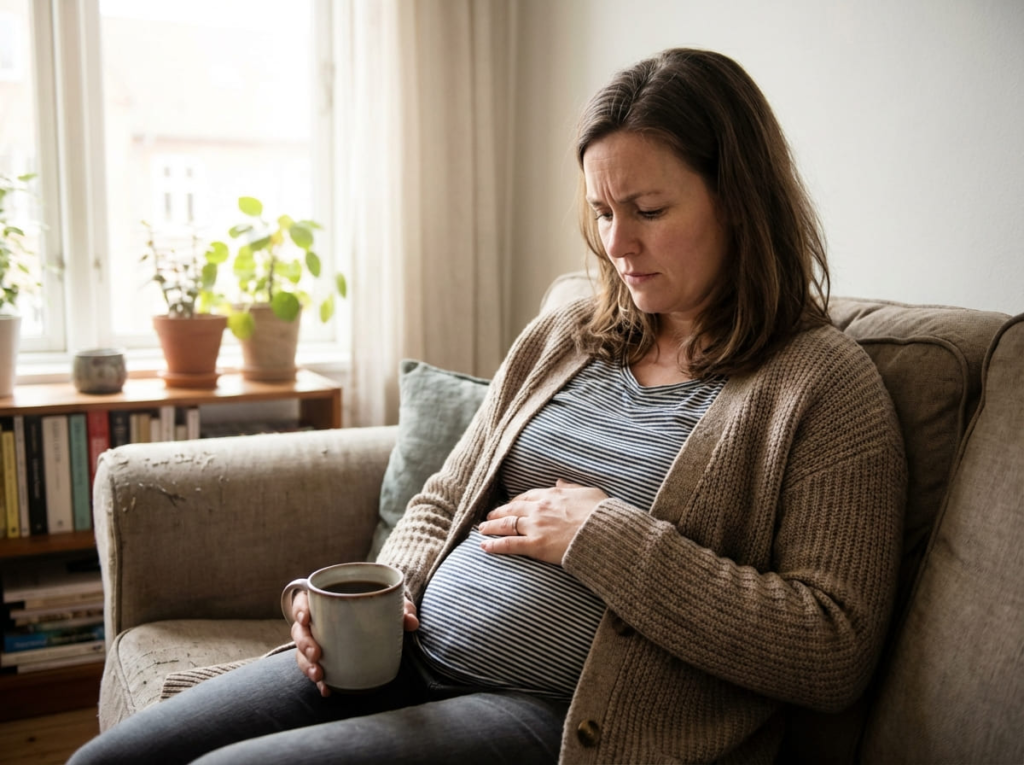
GLP-1 nausea is hands down the most common complaint with weight loss medications. It usually kicks in within 24-72 hours of your first shot and thankfully gets much better after 2-4 weeks.
Here’s what actually helps:
- Eat smaller portions more often. Forget about three square meals. Instead, eat 5-6 mini meals throughout the day. Keep portions to about the size of your closed fist. Your stomach doesn’t like being completely empty or stuffed full right now, so keeping it moderately satisfied is the sweet spot.
- Stock up on ginger. Make fresh ginger tea by steeping sliced ginger root in hot water. Keep ginger chews in your purse. Try ginger supplements (250-500mg). Ginger works on the serotonin receptors in your gut and can give you relief in about 15-30 minutes. It’s not just an old wives’ tale.
- Go for cold, bland foods. Greek yogurt, cold watermelon, applesauce, saltine crackers, plain toast. These are your friends right now. Cold foods don’t smell as strong and they just feel lighter when you’re queasy. Stay away from anything greasy, spicy, or with a strong smell that’ll make you want to run the other way.
- Stay upright after you eat. Don’t lie down for at least 2-3 hours after meals. Gravity is your friend here. It helps food move through your already-slow digestive system. When you lie down, food and acid can creep back up toward your throat and make nausea worse.
Want more help? Check out our full guides on 10 Best Foods to Eat for GLP-1 Nausea and How to Stop Nausea on GLP-1: 12 Relief Tips That Work.
Constipation
Constipation happens because GLP-1s slow everything down in your digestive tract, not just your stomach. This is one of those side effects that tends to stick around longer and needs ongoing attention.
Here’s your action plan:
- Drink way more water than you think you need. We’re talking 80-100 ounces a day when you’re backed up. Chug 8-16 ounces as soon as you wake up, then drink 8 ounces every hour. Here’s the thing: fiber can’t work without water. If you’re dehydrated, adding fiber will actually make things worse.
- Try magnesium citrate before bed. Take 200-400mg of magnesium citrate at night. It pulls water into your intestines to soften everything up and usually gets things moving by morning. Start with the lower dose and see how you do. Make sure it’s specifically magnesium citrate, not other forms.
- Walk every single day. Just 15-30 minutes of walking helps your intestines contract and move waste along. You don’t need to run a marathon. A casual stroll after meals makes a real difference.
- Add fiber slowly. Load up on cooked veggies, berries, lentils, and oatmeal. But here’s the key: only add 5g more fiber per week or you’ll be miserable with bloating. Shoot for 25-30g total per day. Cooked vegetables are way easier on your system than raw ones right now.
Need more details? We’ve got you covered in GLP-1 Constipation Relief: What Actually Helps and High-Fiber Foods for GLP-1: Beat Constipation.
Diarrhea
Constipation gets more attention, but some people get hit with diarrhea instead. This especially happens during the first few weeks or when you bump up your dose. Sometimes it even alternates with constipation, which is super frustrating.
Quick fixes that work:
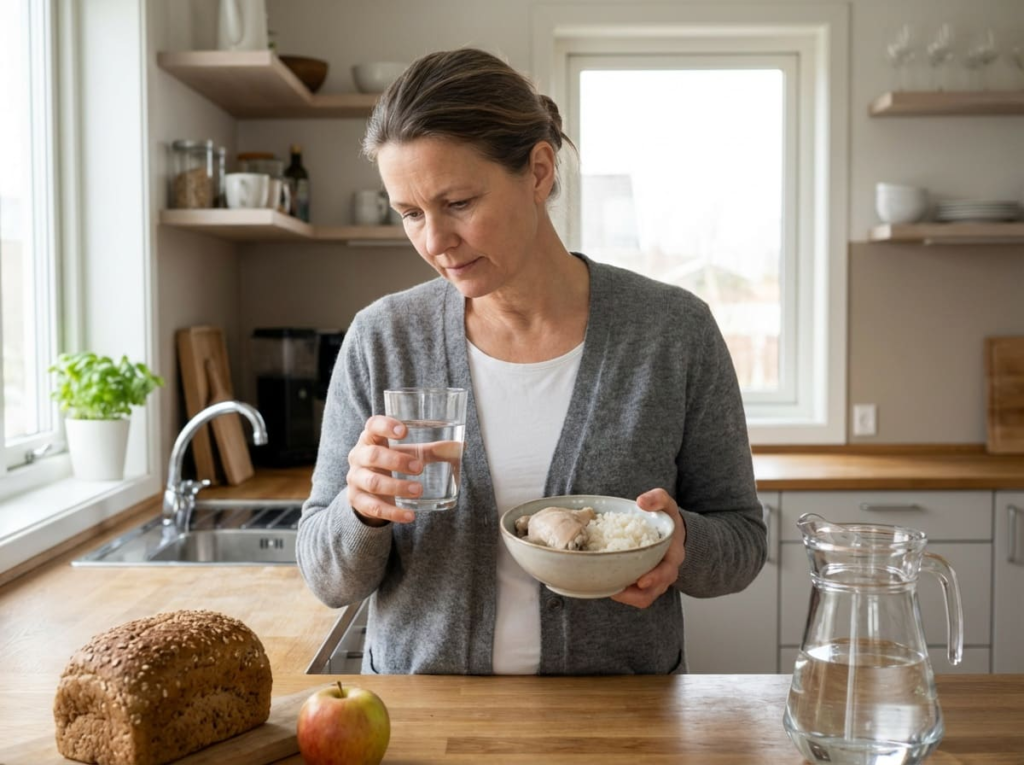
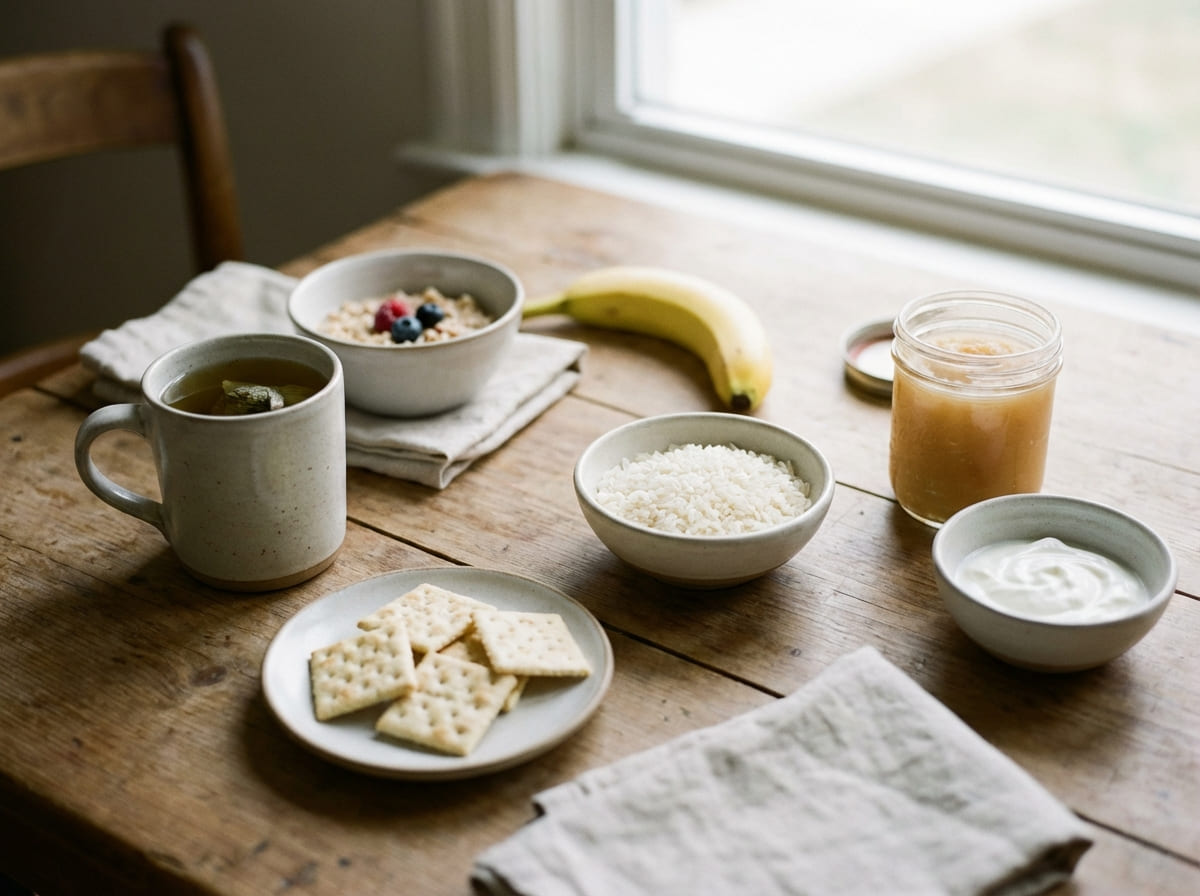
- Go back to basics with the BRAT diet. Bananas, white rice, applesauce, and toast. These binding foods help firm things up and they’re gentle on your digestive system. Add some plain chicken or turkey for protein.
- Replace what you’re losing. Diarrhea drains your fluids and electrolytes fast. Drink water, clear broth, or low-sugar electrolyte drinks. Skip the coffee and alcohol because they’ll just make it worse.
- Cut out the usual suspects. Dairy, greasy foods, artificial sweeteners (especially sorbitol and mannitol), caffeine, and spicy foods all make diarrhea worse. Cut them out completely until things settle down, then add them back one at a time.
- Give probiotics a shot. Probiotic supplements or foods like plain yogurt and kefir might help balance things out. Look for ones with Lactobacillus or Bifidobacterium. Give it at least a week to see if it helps.
When to call the doctor: If you’re running to the bathroom more than 6 times a day, it lasts more than 2-3 days, or you see blood or have a fever, call your doctor.
Acid Reflux
Some people get acid reflux for the first time on GLP-1s, or it gets worse if they already had it. When your stomach empties slower, acid has more opportunities to creep up into your throat, especially when you lie down. Some research shows a link between acid reflex and short-acting form GLP-1 medication.
What actually helps:
- Sleep propped up. Get a wedge pillow or stick some books under the legs at the head of your bed to raise it 6-8 inches. This uses gravity to keep acid where it belongs. Don’t just pile up regular pillows because that can actually make reflux worse by creating a bend at your waist.
- Don’t lie down for 3 hours after eating. This is even more important for reflux than it is for nausea. Stay sitting or standing for three full hours after meals, especially dinner. No reclining on the couch or going to bed too soon.
- Eat less and avoid your triggers. Overfilling your stomach creates pressure that pushes acid upward. Common culprits include citrus, tomatoes, chocolate, mint, coffee, alcohol, spicy foods, and greasy foods. Figure out what sets you off and avoid it.
- Keep antacids handy. Famotidine (Pepcid) taken 30-60 minutes before meals prevents acid production. Tums work great for quick relief when you need it. Just don’t use peppermint for nausea if you have reflux because it can actually make reflux worse.
Important: If you get severe heartburn, trouble swallowing, or chest pain, get it checked out. Don’t mess around with those symptoms.
Fatigue
Feeling wiped out is super common during your first few weeks. You’re eating way less than usual, you might not be getting all your nutrients, and your body is adjusting to how the medication affects your blood sugar and metabolism.
Energy boosters that work:
- Make protein your priority. Get a minimum of 60-80g of protein every day to keep your energy up and protect your muscles. Include protein at every meal: Greek yogurt, eggs, chicken, fish, or protein shakes. Protein gives you sustained energy that carbs alone can’t match.
- Don’t cut calories too low. Yes, your appetite is down. But eating too little will absolutely wreck your energy. Most people need at least 1,200-1,500 calories daily to function. Track what you’re eating for a few days to make sure you’re getting enough.
- Check your vitamins. Consider a daily multivitamin to cover your bases on B vitamins, iron, and vitamin D. All of these affect your energy. If you’re still dragging after a month, ask your doctor to check your B12, vitamin D, and iron levels with bloodwork.
- Move a little, even when you don’t feel like it. I know it sounds backward, but light activity actually increases your energy. A 15-20 minute walk, some gentle yoga, or stretching can make a real difference. You don’t need to crush a workout. Just get moving.
When to worry: If you can barely get through your day, you’re still exhausted after 4-6 weeks, or you’re dizzy and your heart is racing, talk to your doctor.
Loss of Appetite
Reduced appetite is literally the point of GLP-1 medications. That’s how they help you lose weight. But sometimes your appetite gets so suppressed that you struggle to eat enough to stay healthy.
How to eat when you’re not hungry:
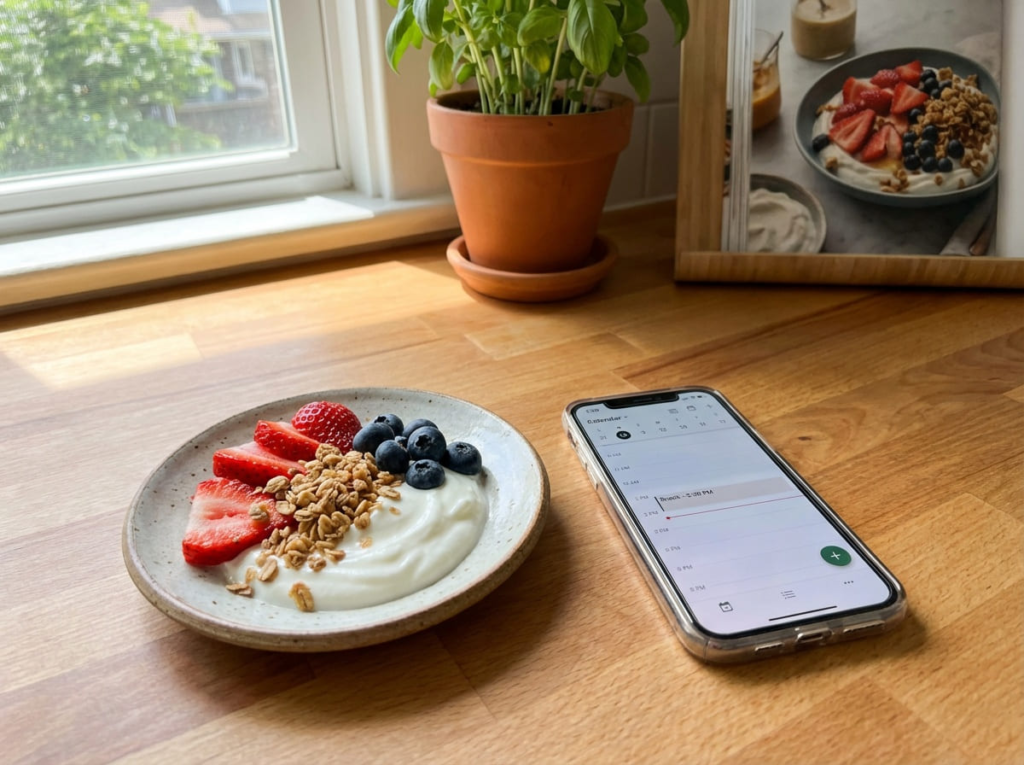
- Set reminders to eat. Use phone alarms every 2-3 hours to remind yourself it’s time to eat. When you have zero hunger signals, you might go way too long without food, which tanks your energy and makes nausea worse. Stick to a schedule.
- Make every bite count. When you can only eat tiny amounts, you need foods packed with nutrition. Go for Greek yogurt, eggs, salmon, chicken, nuts, avocado, berries, and cooked vegetables. Skip the junk that gives you calories but nothing else.
- Drink your nutrition when you need to. Protein shakes, smoothies, or bone broth can be way easier to get down than solid food when your appetite is in the basement. Blend in protein powder, Greek yogurt, nut butter, or avocado to pack in more nutrients.
- Prep when you feel good. Make food ahead on days when you feel decent so it’s ready when you don’t. Keep single servings of protein-rich foods within easy reach. Remove every barrier to eating by having grab-and-go options available.
Keep in mind: Reduced appetite helps you lose weight, but you still need to feed your body. If you’re consistently eating under 1,000 calories or you can barely eat anything, talk to your doctor about adjusting your dose or working with a nutritionist.
General GLP-1 Side Effect Prevention Strategies
Beyond tackling individual symptoms, these overall strategies help you prevent or minimize side effects from the start.
Follow the slow titration schedule. Don’t rush to increase your dose, even if you think you can handle it. Those gradual increases give your body time to adjust. Jumping up too fast almost always backfires with worse side effects.
Slow way down when you eat. Take at least 20-30 minutes to finish a small meal. Put your fork down between bites. Chew each bite until it’s basically liquid. This takes pressure off your already-slow digestive system and helps you notice when you’re full before you overdo it.
Make water a non-negotiable habit. Drink water consistently all day long. Get most of your fluids between meals instead of with meals so you don’t overfill your stomach. Good hydration prevents or reduces a bunch of different side effects including nausea, constipation, and fatigue.
Experiment with injection timing. A lot of people inject at night so the worst nausea happens while they’re sleeping. Others prefer mornings. Try different times to see what works best for your body and schedule.
Stay away from problem foods. Greasy, fried, spicy, and heavily seasoned foods make side effects worse for most people. Strong-smelling foods can trigger instant nausea. Really rich or heavy foods sit like a rock in your slow stomach. Stick with simple, mild foods, at least while you’re adjusting.
Keep moving regularly. Daily gentle movement helps your digestion, energy, and overall wellbeing. Walking is perfect. Even 15-20 minutes makes a difference. Try to move after meals when you can.
Track what’s happening. Write down what you eat, when symptoms hit, and what helps. Over a few weeks, you’ll start seeing patterns that help you figure out what your body needs and what to avoid.
Build a routine. Eat around the same times each day. Drink water consistently. Keep a regular sleep schedule. Move your body daily. Routine helps your body adjust way more smoothly.
When to Call Your Doctor: Red Flags
Most GLP-1 side effects you can handle at home. But some symptoms mean you need medical help right away. Here’s how to know the difference.
Call 911 or go to the ER for:
Severe, non-stop vomiting: If you’re throwing up multiple times a day or you can’t keep down any fluids for more than 24 hours, you could get dangerously dehydrated.
Severe belly pain: Sharp, intense pain in your abdomen (especially upper abdomen) could mean pancreatitis. This isn’t the same as mild discomfort or bloating. It’s severe and might radiate to your back.
Signs of serious dehydration: Dark pee, dizziness when you stand up, racing heartbeat, barely peeing at all, extreme thirst you can’t quench, dry mouth, or confusion.
Vision problems: Any changes in your vision, blurriness, floaters, or trouble seeing needs immediate attention, especially if you have diabetes or diabetic eye problems.
Trouble breathing or swallowing: These could mean a severe allergic reaction or something else serious.
Severe allergic reaction: Difficulty breathing, bad rash, face or throat swelling, or other signs you’re having an allergic reaction.
Thoughts of hurting yourself: Some people experience mood changes on GLP-1s. If you have any thoughts of self-harm, get help immediately.
Call your doctor within a day for:
Symptoms that won’t improve: Nausea, fatigue, or other side effects that don’t get even a little better after 4-6 weeks, or that mess with your ability to eat, work, or live your life.
No bowel movement for 5+ days: Severe constipation that doesn’t budge with fiber, water, and walking, or that causes serious pain.
Losing weight too fast: Consistently losing more than 2-3 pounds a week might mean you’re not eating enough or your dose is too high.
New or worsening stuff: Any symptom that shows up after you’ve adjusted, or something that gets worse after it was getting better (and you didn’t increase your dose).
Can’t eat enough: If side effects stop you from getting adequate protein, calories, or essential nutrients for more than a few days.
Symptoms that come back: If you felt better and then symptoms return for no clear reason, something else might be going on.
You want to quit: If side effects make you want to stop the medication, talk to your doctor before you do. They might be able to lower your dose temporarily or prescribe something to help with symptoms.
Finding Your Path Forward
Managing GLP-1 side effects is personal. What works amazing for your friend might not do much for you. Start with the basic strategies, be patient while your body adjusts, and speak up when you need medical help.
Most people feel way better within 4-6 weeks as their body gets used to the medication. Those rough first weeks are temporary. With the right approach and realistic expectations, you can handle the side effects while still reaching your weight loss goals.
And remember: you don’t have to just tough it out through awful symptoms. GLP-1 treatment should be tolerable. Work with your doctor to find the right dose and symptom management combo that lets you function normally while making progress.
Related GLP-1 Articles