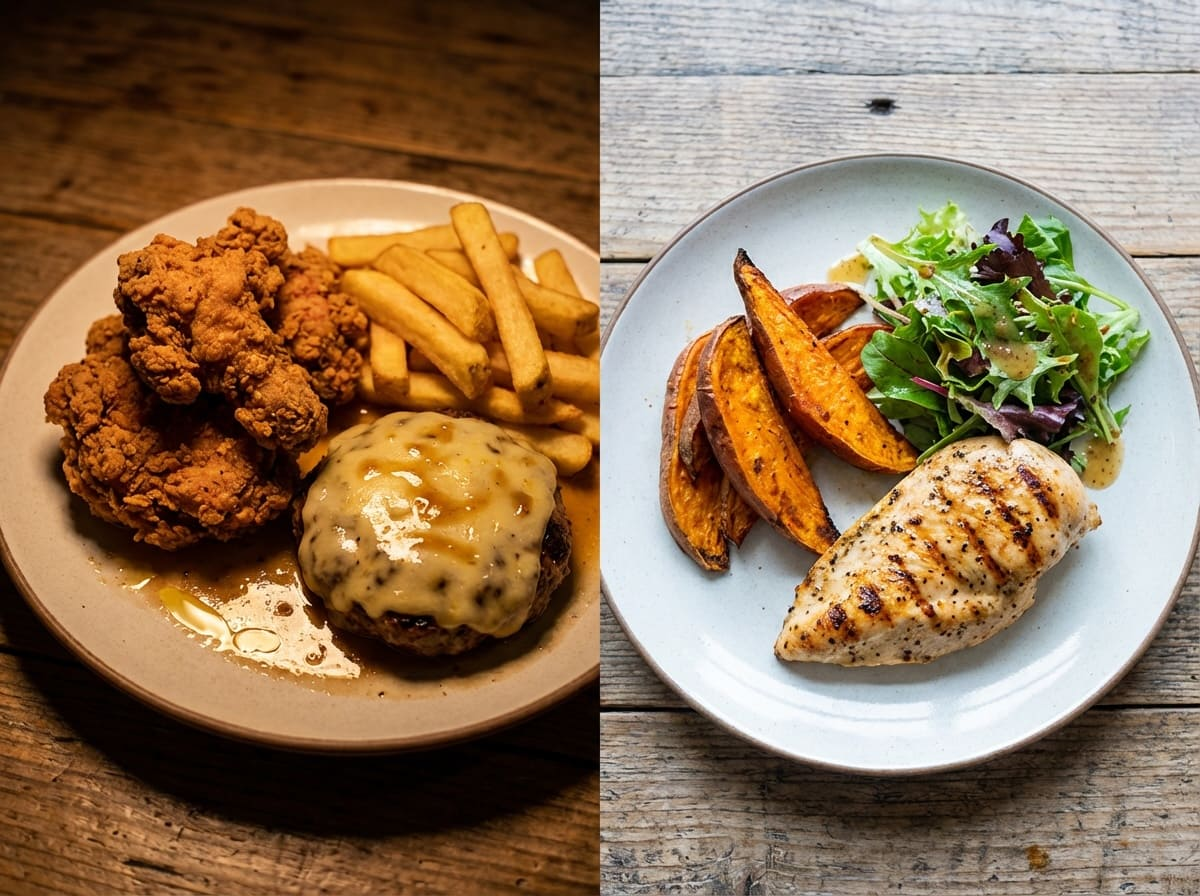
Why Protein Matters More on GLP-1 Medications
When you lose weight on GLP-1 medications, your body doesn’t exclusively burn fat stores. Without adequate protein intake, your body breaks down muscle tissue for energy and amino acids. Studies on rapid weight loss show that insufficient protein consumption can result in 25-40% of total weight loss coming from lean tissue rather than fat mass.
Muscle tissue is metabolically active, meaning it burns calories even at rest. Losing significant muscle mass during weight loss slows your metabolism, making it harder to maintain your weight loss long-term. This is one reason why people often regain weight after stopping diets or medications.
Beyond metabolism, muscle mass supports functional strength for daily activities, helps regulate blood sugar, and contributes to bone density. Preserving muscle during GLP-1 treatment sets you up for better long-term health outcomes.
The good news is that adequate protein intake, combined with resistance exercise, can help preserve muscle mass even during significant caloric restriction. Research suggests that people on GLP-1 medications who consume higher protein diets maintain better muscle mass compared to those eating lower protein amounts.
How Much Protein Should You Eat Every Day While On GLP-1s?
General dietary guidelines recommend 0.8 grams of protein per kilogram of body weight for sedentary adults. However, these guidelines weren’t designed for people experiencing rapid weight loss. Research on protein needs during caloric restriction suggests higher targets.
Simple Protein Calculator:
- Multiply your current weight by 0.6 for a moderate protein target
- Multiply by 1.0 for a higher protein target if you’re very active
Examples:
- Goal weight 130 lbs: 78-130g protein daily
- Goal weight 150 lbs: 90-150g protein daily
- Goal weight 180 lbs: 108-180g protein daily
- Goal weight 200 lbs: 120-200g protein daily
Some practitioners recommend even higher amounts (up to 1.2g per pound of body weight) for people who are incorporating regular strength training or experiencing very rapid weight loss. Individual needs vary based on activity level, age, and how quickly weight is being lost.
The key is consistency. Meeting your protein target most days matters more than perfecting it every single day. Aim for your target range and adjust based on how you feel, your energy levels, and your progress.
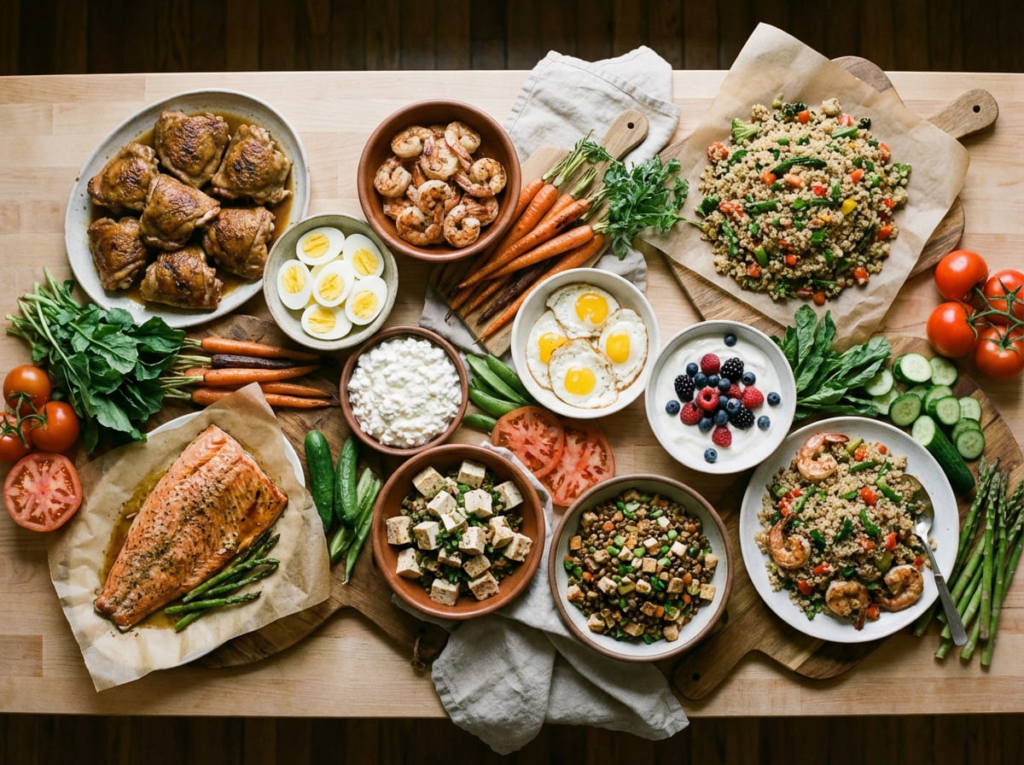
20 High-Protein Foods for People on GLP-1s
These protein sources are selected for their protein density, digestibility, and practicality when appetite is reduced. Each listing includes realistic serving sizes and protein content.
Animal-Based Protein Sources (10 Foods)
- Chicken Breast (Boneless, Skinless)
Serving size: 4 oz cooked (115g)
Protein: 31g
Chicken breast provides one of the highest protein-to-calorie ratios available. Cooking methods that keep the meat moist, such as baking, poaching, or slow cooking, make it easier to consume when appetite is low.
- Greek Yogurt (Plain, Nonfat)
Serving size: 1 cup (225g)
Protein: 23g
Greek yogurt offers double the protein of regular yogurt with a smooth, cold texture that many find easier to tolerate when experiencing GLP-1 nausea. Choose plain varieties to control sugar intake.
- Cottage Cheese (Low-Fat)
Serving size: 1 cup (225g)
Protein: 24g
Cottage cheese delivers exceptional protein density with minimal preparation needed. The soft texture requires little chewing, making it practical when solid foods feel challenging.
- Eggs
Serving size: 3 large eggs
Protein: 18g
Eggs provide complete protein with all essential amino acids plus vitamins B12, D, and choline. They’re versatile, affordable, and cook quickly. Both the white and yolk contribute valuable nutrients.
- Salmon (Wild or Farmed)
Serving size: 4 oz cooked (115g)
Protein: 25g
Beyond protein, salmon delivers omega-3 fatty acids that support heart health and may help reduce inflammation. The tender texture when properly cooked makes it easy to digest.
- Tuna (Canned in Water)
Serving size: 5 oz can, drained
Protein: 32g
Canned tuna offers convenience and shelf stability along with impressive protein content. Light tuna generally contains less mercury than albacore. Mix with Greek yogurt instead of mayonnaise for additional protein.
- Turkey Breast (Lean)
Serving size: 4 oz cooked (115g)
Protein: 30g
Turkey breast rivals chicken for protein density while offering variety in your diet. Ground turkey (93% lean or higher) works well for meal prep and can be seasoned in countless ways.
- Shrimp
Serving size: 4 oz cooked (115g)
Protein: 24g
Shrimp provides protein with almost no fat or carbohydrates. The quick cooking time and tender texture make it practical for easy meals. Frozen shrimp is just as nutritious as fresh.
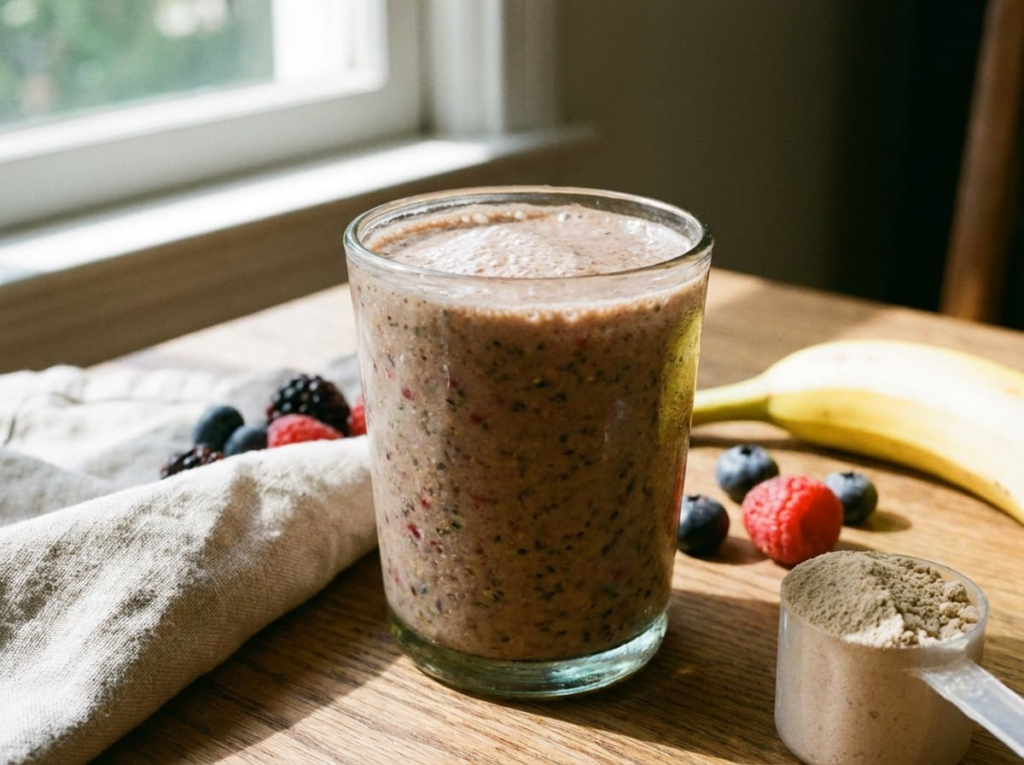
- Whey Protein Isolate
Serving size: 1 scoop (30g powder)
Protein: 25g
Protein powder offers the most concentrated protein source available. Whey isolate is rapidly absorbed and typically well-tolerated. Useful for days when solid food feels difficult or when you need to boost protein quickly.
- Low-Fat Milk
Serving size: 1 cup (240ml)
Protein: 8g
Milk provides easily digestible protein along with calcium and vitamin D. While not as protein-dense as other options, it’s gentle on the stomach and can be added to coffee, smoothies, or consumed plain.
Plant-Based Protein Sources (10 Foods)
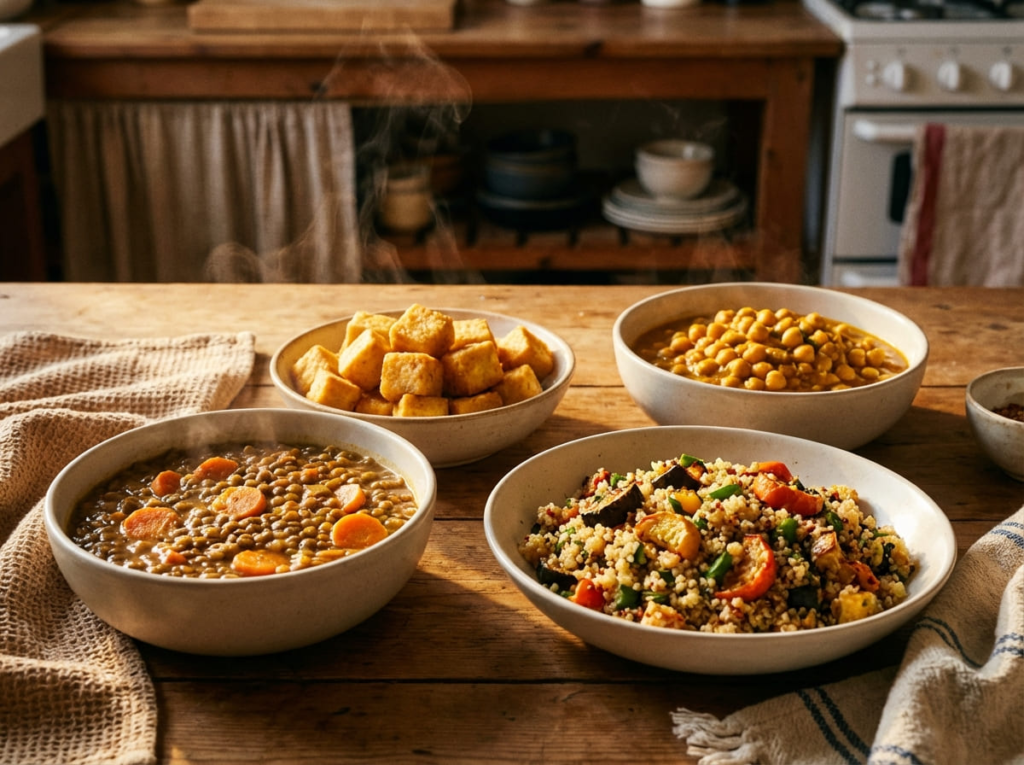
- Tofu (Firm or Extra-Firm)
Serving size: 4 oz (115g)
Protein: 11g
Tofu absorbs flavors well and provides complete protein with all essential amino acids. Pressing excess water out before cooking improves texture. A staple protein for plant-based diets.
- Edamame (Shelled)
Serving size: 1 cup (155g)
Protein: 17g
Edamame delivers impressive protein along with fiber and iron. Available frozen year-round, it can be steamed in minutes and eaten as a snack or added to salads and stir-fries.
- Lentils (Cooked)
Serving size: 1 cup (200g)
Protein: 18g
Lentils combine protein with substantial fiber and iron. Red lentils cook quickly and break down into a soft texture. Brown and green lentils hold their shape better for salads.
- Chickpeas (Cooked)
Serving size: 1 cup (165g)
Protein: 15g
Chickpeas provide versatile protein that works in numerous preparations. Roasted chickpeas make crunchy snacks, while blended chickpeas create hummus. Canned varieties offer convenience.
- Black Beans (Cooked)
Serving size: 1 cup (170g)
Protein: 15g
Black beans deliver protein and fiber with a mild flavor that pairs well with many dishes. Rinsing canned beans reduces sodium and may improve digestibility for some people.
- Tempeh
Serving size: 3 oz (85g)
Protein: 17g
Tempeh is fermented soybeans pressed into a firm cake. The fermentation process may make it easier to digest than other soy products. It has a nutty flavor and holds up well to grilling or sautéing.
- Pea Protein Powder
Serving size: 1 scoop (33g powder)
Protein: 24g
Pea protein isolate offers a plant-based alternative to whey with similar protein density. It blends well into smoothies and is naturally hypoallergenic, making it suitable for those with dairy or soy sensitivities.
- Quinoa (Cooked)
Serving size: 1 cup (185g)
Protein: 8g
Quinoa is one of the few plant foods providing complete protein. While not as protein-dense as legumes, it’s versatile as a grain substitute and easier to digest than many beans.
- Hemp Seeds (Hulled)
Serving size: 3 tablespoons (30g)
Protein: 10g
Hemp seeds provide complete protein with a mild, nutty flavor. Sprinkle on yogurt, salads, or blend into smoothies. They also deliver omega-3 and omega-6 fatty acids in a beneficial ratio.
- Seitan
Serving size: 3 oz (85g)
Protein: 21g
Seitan, made from wheat gluten, is one of the most protein-dense plant foods available. The texture resembles meat, making it useful for familiar meal formats. Not suitable for those with gluten sensitivity.
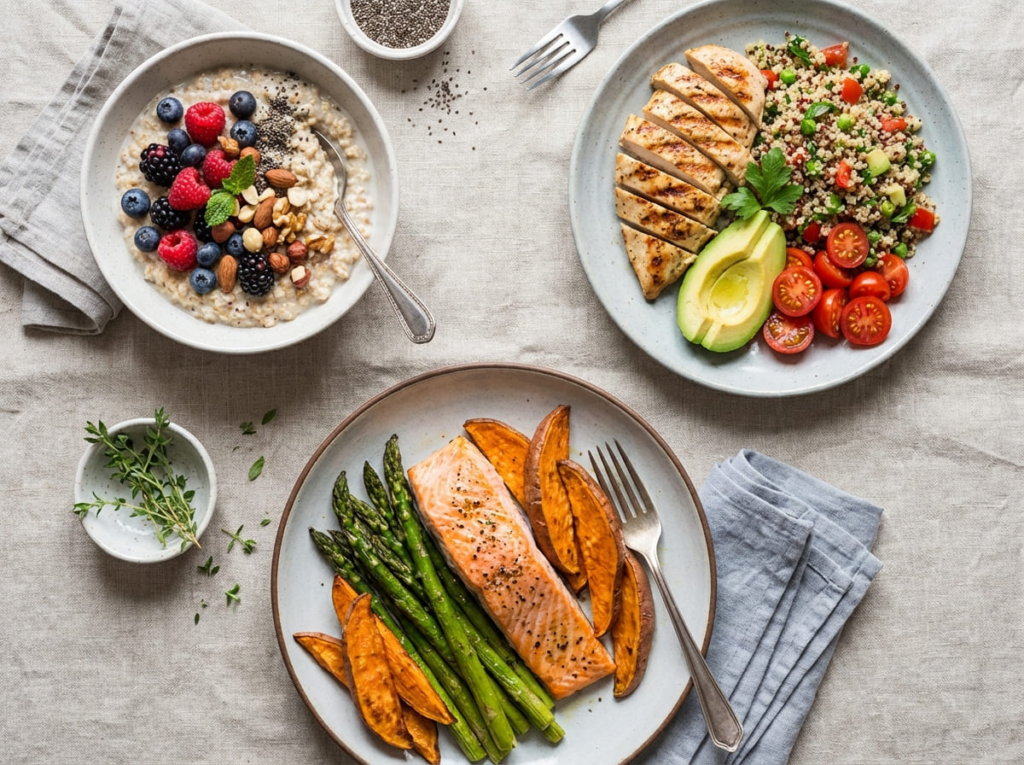
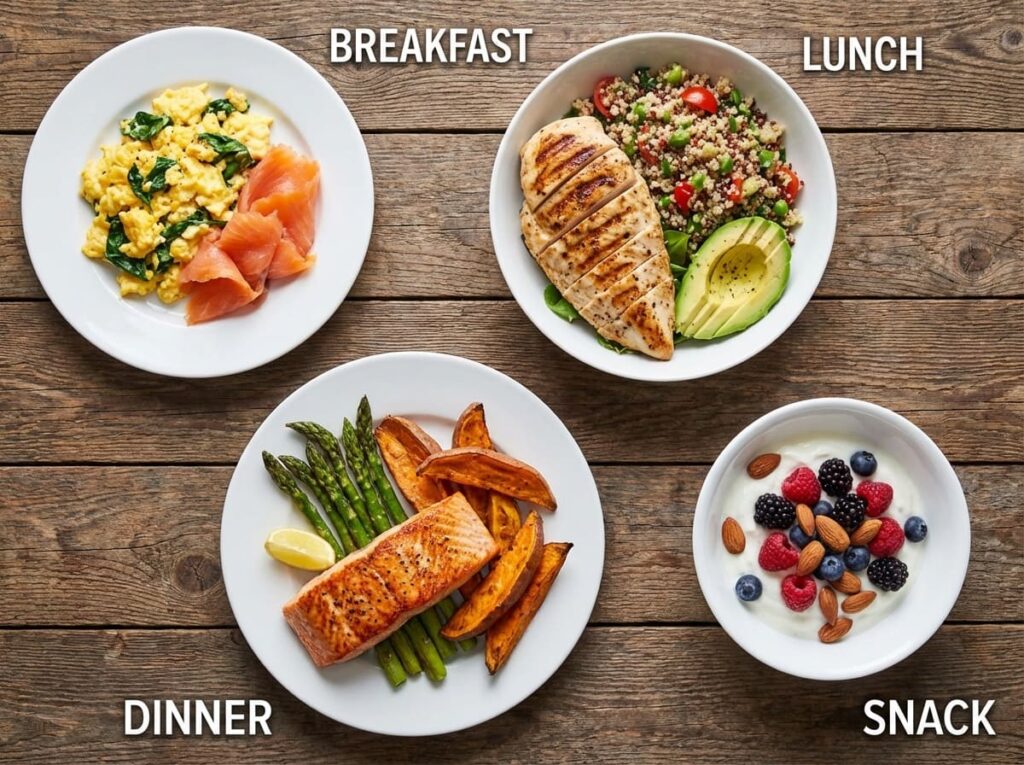
Sample Day Hitting 100g of Protein for Your GLP-1 Diet
Understanding protein targets is one thing. Actually hitting them with reduced appetite is another. Here’s a realistic example of how to consume approximately 100g of protein across a day while eating small portions.
Breakfast (7:30 AM)
- 3/4 cup plain Greek yogurt: 17g protein
- 1/4 cup blueberries
- 1 tablespoon hemp seeds: 3g protein
Total: 20g protein, ~200 calories
Mid-Morning (10:30 AM)
- Protein shake with 1 scoop whey isolate: 25g protein
- Blended with 1/2 cup low-fat milk: 4g protein
- 1/2 small banana
Total: 29g protein, ~200 calories
Lunch (1:00 PM)
- 3 oz grilled chicken breast: 23g protein
- 2 cups mixed greens
- 1/4 avocado
- Lemon vinaigrette
Total: 23g protein, ~280 calories
Afternoon Snack (4:00 PM)
- 1/2 cup cottage cheese: 12g protein
- 5-6 cherry tomatoes
- Cucumber slices
Total: 12g protein, ~100 calories
Dinner (6:30 PM)
- 3 oz baked salmon: 19g protein
- 1/2 cup cooked quinoa: 4g protein
- Steamed broccoli with lemon
Total: 23g protein, ~350 calories
Daily Total: 107g protein, ~1,130 calories
This sample shows how spreading protein across multiple eating occasions makes the goal more achievable. Notice that no single meal requires eating an overwhelming portion. The protein shake fills a gap and provides nutrition on a light-eating day.
Tips for Meeting Protein Goals with Low Appetite
Getting enough protein becomes significantly harder when GLP-1 medications reduce your appetite. These practical strategies can help you consistently hit your targets even when food doesn’t sound appealing or if you’re dealing with GLP-1 nausea.
Prioritize protein first. When you sit down to eat, consume your protein source before other components of the meal. With limited stomach capacity, eating protein first ensures you get adequate amounts even if you can’t finish everything on your plate.
Choose protein-dense options. With reduced appetite, volume becomes your enemy. Select foods that deliver maximum protein per bite. Greek yogurt provides more protein than regular yogurt. Chicken breast delivers more than chicken thighs. Protein powder offers more than milk.
Incorporate protein shakes strategically. Liquid nutrition often feels more manageable than solid food when experiencing nausea or early satiety. Having a protein shake between meals or as a meal replacement ensures you meet targets on difficult days.
Eat smaller, more frequent meals. Instead of three larger meals, aim for five to six smaller eating occasions throughout the day. This approach works better with GLP-1-reduced appetite and helps distribute protein intake for better absorption.
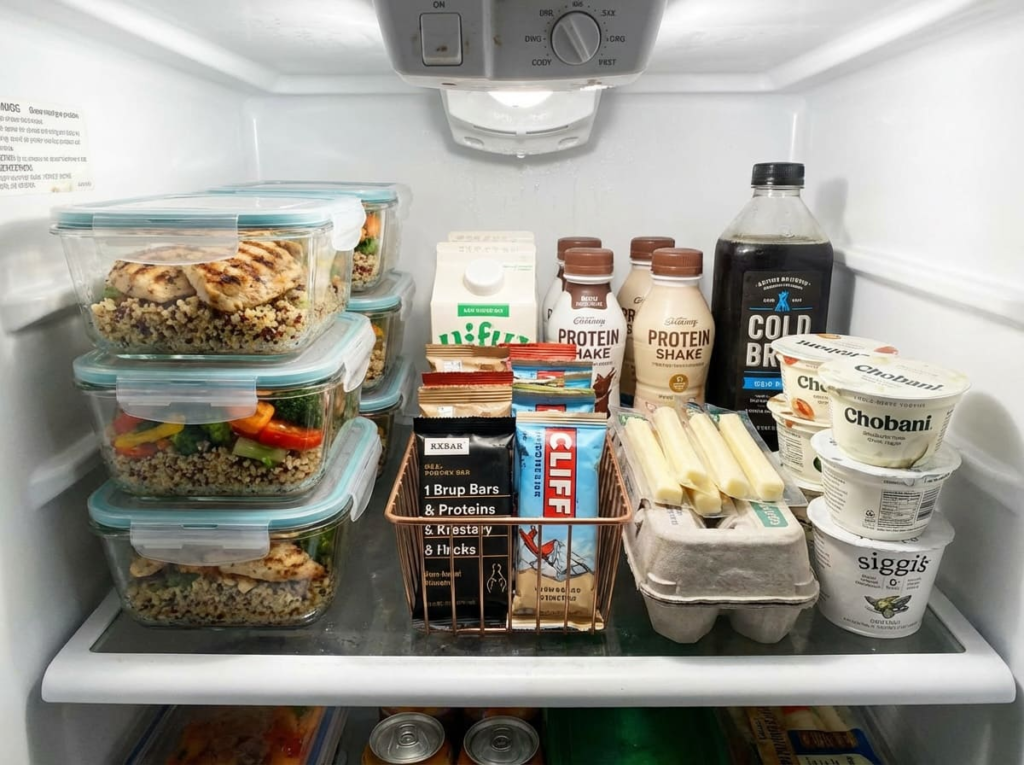
Keep convenient protein accessible. Stock ready-to-eat options like hard-boiled eggs, Greek yogurt cups, string cheese, or individual protein shake bottles. When appetite is low, reducing barriers to eating helps you consume adequate nutrition.
Add protein to familiar foods. Boost protein content of regular meals by stirring protein powder into oatmeal, mixing Greek yogurt into smoothies, or adding hemp seeds to salads. Small additions across the day accumulate.
Time protein around medication. Some people find eating protein-rich foods 1-2 hours after their GLP-1 injection more tolerable than immediately after. Experiment to find timing that works for your body.
Cook proteins gently. Moist cooking methods like poaching, steaming, or slow cooking create tender textures that are easier to consume when appetite is suppressed. Dry or tough proteins can be off-putting.
Try cold proteins. Many GLP-1 users report that cold protein sources like chilled shrimp, deli turkey, or cold Greek yogurt are easier to tolerate than hot foods, especially when experiencing nausea.
Track your intake initially. Use a food tracking app for a few weeks to understand your actual protein consumption. Many people overestimate how much protein they’re eating. Tracking provides objective data to guide adjustments.
Adjusting Your Protein Target on GLP-1s
While the general guideline of 0.6-0.7 grams per pound of ideal body weight works for most people, your individual circumstances might require adjustments. Consider increasing your protein target if you’re doing regular resistance training workouts, experiencing very rapid weight loss (more than 2 pounds per week), are over age 60, or I if you’re noticing decreased energy or strength.
If you have existing kidney issues, work with your healthcare provider to determine appropriate protein levels.
The right amount of protein is ultimately the amount you can consistently consume that supports your energy, strength, and weight loss goals. Start with the calculated target, track your intake for a few weeks, and adjust based on results and how you feel.
Meeting your protein goals on GLP-1 medications requires intention and planning, but the investment pays dividends. Always remember the goal is to preserve muscle mass, maintain a healthy metabolism, and keep the weight off for the long-term!
High Protein Recipes to Try When You're On GLP-1s
Want some recipe ideas that make hitting your protein targets easier? Check out these resources: