What to Expect: Your GLP-1 Timeline
Week 1: Initial Effects
Week 1 is about getting through your first injection and the immediate adjustment period. Most people feel relatively normal on injection day itself, then notice changes within 24-72 hours.
What happens physically: Your appetite starts dropping, usually within the first 2-3 days. Foods that normally excite you might seem uninteresting. You’ll probably feel full much faster than usual when you eat. Mild to moderate nausea is common, typically worse in the mornings or after eating.
Some people feel tired during week 1 because they’re eating less than their body is used to. You might notice digestive changes like bloating or slower bowel movements. A few people experience headaches or slight dizziness.
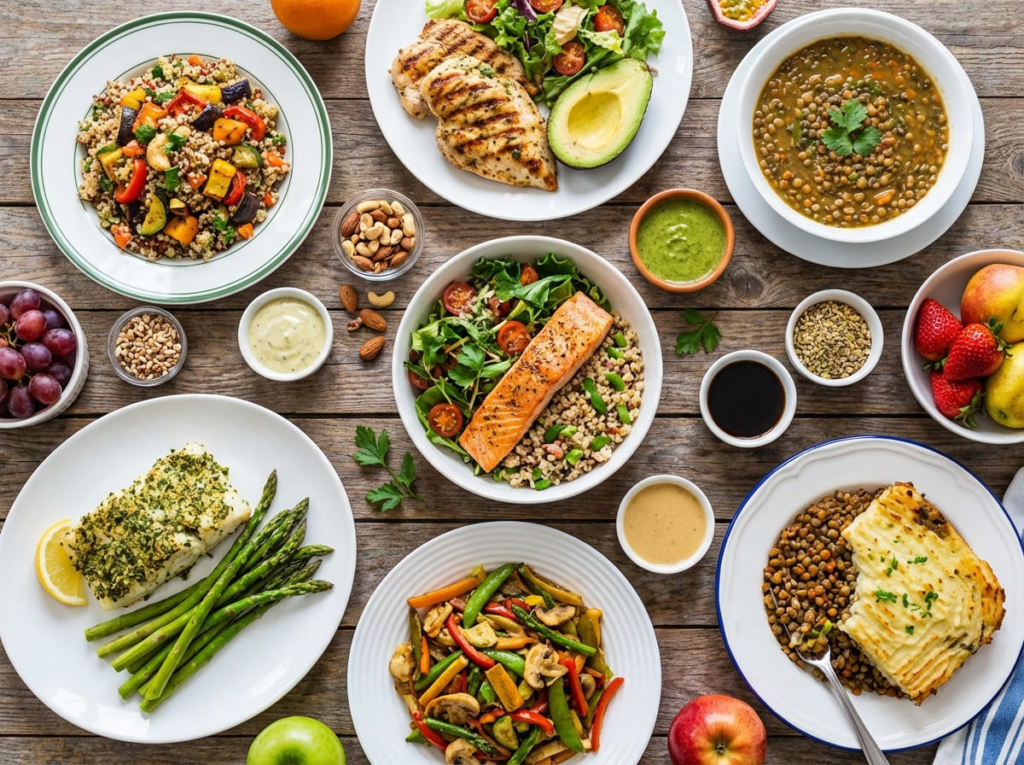
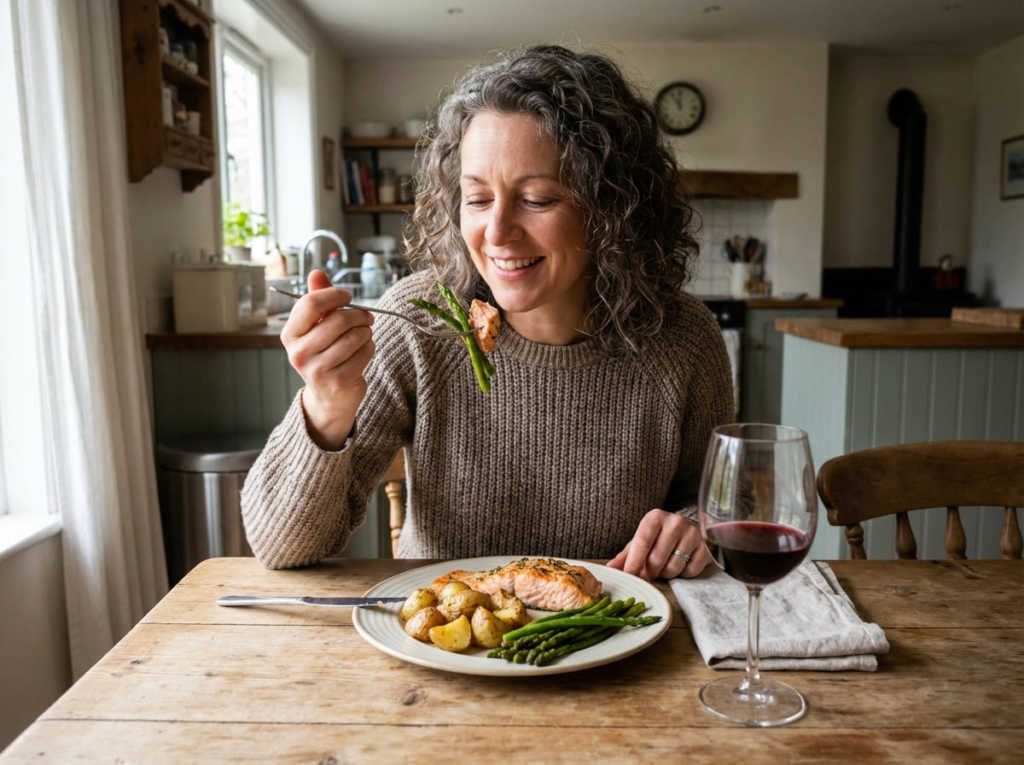
What to do: Eat small portions every 2-3 hours even if you’re not hungry. Stick with bland, easy-to-digest foods like oatmeal, bananas, crackers, Greek yogurt, plain chicken, and rice. Drink plenty of water throughout the day. Set alarms to remind yourself to eat and drink because your normal hunger and thirst signals might be absent.
Keep ginger tea and peppermint tea on hand for nausea. Stay upright for 2-3 hours after eating. Rest when you need to, and don’t expect to maintain your usual pace if you’re not feeling great.
Most importantly: Week 1 is typically the hardest week. What you’re experiencing is normal adjustment, not a sign that something is wrong.
Weeks 2-4: Adjustment Period
This is the phase where your body is actively adapting to the medication. Some days feel better than others. Side effects usually peak during week 2, then gradually start improving.
What happens physically: Nausea often feels the worst during week 2 before it begins getting better. Constipation typically becomes noticeable if you’re going to experience it. Your appetite remains very low, and you might develop aversions to foods you previously loved.
Energy levels fluctuate. Some days you feel fine, other days you’re exhausted. Food becomes less interesting overall. You’re eating significantly less than before, and normal portions feel overwhelming.
By weeks 3-4, most people start noticing patterns in what they tolerate well and when symptoms are worst. Nausea usually improves considerably by the end of week 4, though it might not disappear completely.
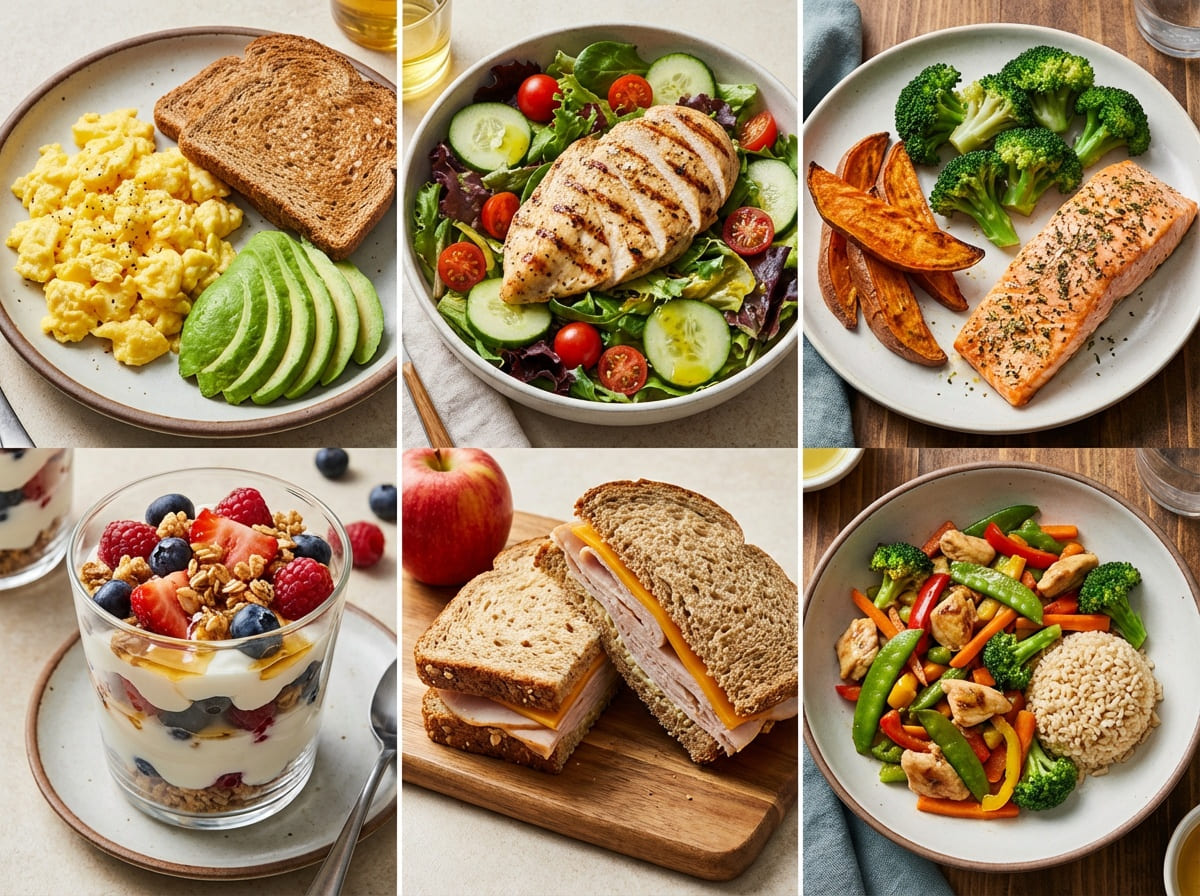
What to do: This is when protein intake becomes critical. Track your food for a few weeks to ensure you’re getting at least 60-80g of protein daily. Muscle loss happens fast when you’re eating way less without adequate protein.
Address constipation proactively with water (80-100 oz daily), fiber-rich foods added gradually, and daily movement. A 15-20 minute walk after meals helps both digestion and constipation.
Experiment with meal timing to figure out when you tolerate food best. Many people do better eating larger amounts earlier in the day and lighter meals at dinner.
Be patient: By week 4, you should feel noticeably better than week 1. If you don’t see any improvement at all, talk to your doctor.
Months 2-3: Finding Your Rhythm
By month 2, you’ve adjusted to the medication’s effects and established patterns that work for your body. This phase is about refinement rather than survival.
What happens physically: Nausea has typically resolved or become very manageable for most people. You know what foods work and what doesn’t. Your reduced appetite feels more normal now instead of strange.
Digestive side effects like constipation might continue but you’ve figured out strategies to manage them. Energy levels usually stabilize as you fine-tune your nutrition to meet your body’s needs.
Weight loss is likely steady during this period. You’re seeing real progress, which reinforces your commitment to the medication and lifestyle changes.
What to do: Focus on building sustainable habits that don’t rely on willpower. The medication makes it easier to eat less right now, but you want patterns that could continue even without the appetite suppression.
Establish consistent meal times, protein prioritization, hydration habits, and regular movement. These behaviors become automatic through repetition during this phase.
Consider adding gentle exercise if you haven’t already. Walking is perfect. Light strength training helps preserve muscle mass during weight loss.
Keep perspective: This is your new normal for now. The dramatic adjustment of the first month is behind you. You’re settling into a rhythm that feels sustainable.
What You'll Need to Succeed with GLP-1 Weight Loss
Mindset Shifts
Your relationship with food and eating is about to change fundamentally. Being mentally prepared makes the transition smoother.
Hunger isn’t your eating cue anymore. You’ll need to eat by the clock instead of by hunger because hunger signals mostly disappear. This feels weird at first. Set regular eating times and stick to them even when you’re not hungry.
Smaller portions are your new normal. What used to be an appetizer is now a full meal. Half a sandwich is plenty. A few bites of dinner and you’re done. Stop fighting this or feeling like you should eat more. Your body is telling you when it’s had enough.
Food isn’t entertainment anymore. Eating won’t be as enjoyable for a while. Food becomes fuel rather than a source of pleasure or comfort. This can be psychologically challenging if you have an emotional relationship with food. Consider therapy or support groups if this brings up difficult feelings.
You’re playing the long game. Week 1 is hard. Month 1 has challenges. But month 3, month 6, and beyond get easier. Don’t judge your entire journey based on how you feel during the adjustment period.
This isn’t about willpower. The medication is doing the heavy lifting with appetite suppression. Your job is to provide your body with adequate nutrition, manage side effects, and build sustainable habits. You’re not white-knuckling through hunger like traditional diets.
Basic Supplies
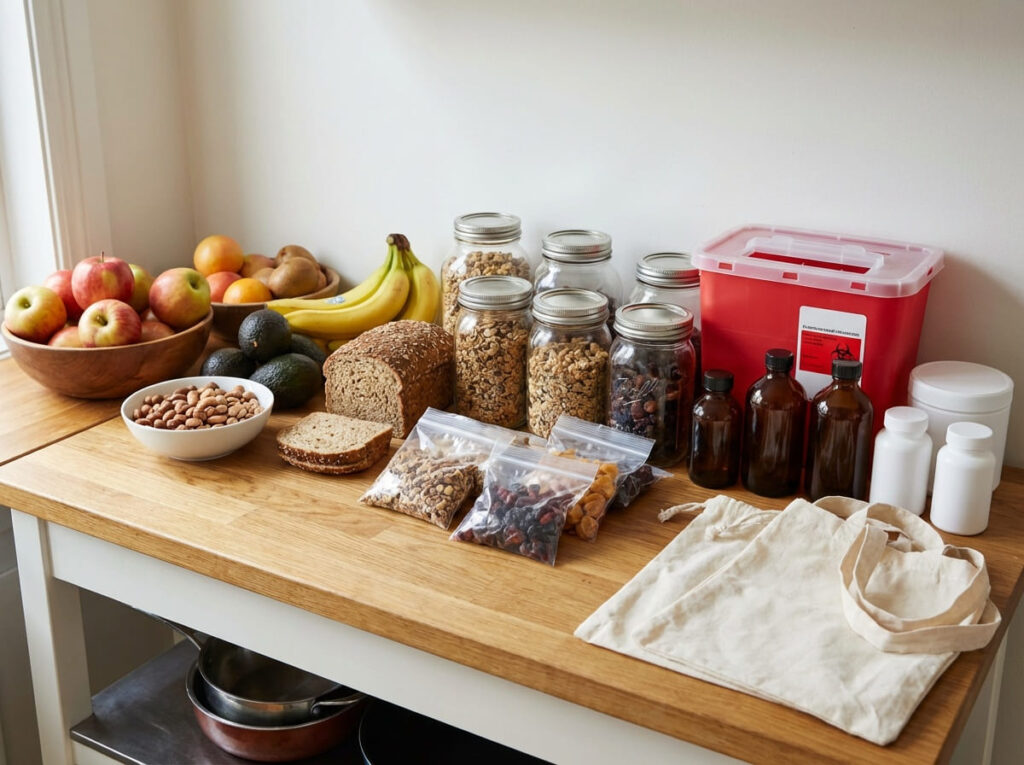
Having the right stuff ready before you start eliminates stress later. Check our complete shopping guide for details, but here are the essentials:
Food supplies: Stock up on protein-rich foods (Greek yogurt, eggs, chicken, protein powder), nausea-friendly staples (crackers, bananas, applesauce, plain rice), and plenty of water. Get small food storage containers for portions and small plates for serving.
Medical supplies: You need a sharps container for needle disposal (though some GLP-1 providers include this with your first shipment). Keep measuring cups and optionally a food scale to track portions accurately.
Nausea remedies: Fresh ginger root for tea, ginger tea bags, peppermint tea, and ginger chews. These help more than you’d expect.
Supplements: Discuss with your doctor, but commonly recommended supplements include a multivitamin, magnesium citrate for constipation, and protein powder for days when solid food feels impossible.
Apps: Download a food tracking app like MyFitnessPal or Cronometer to monitor protein and calorie intake for at least the first month.
Support System
Having people who understand what you’re going through makes a significant difference.
Medical support: Establish a good relationship with your prescribing doctor or the medical team from your GLP-1 provider. Know how to reach them with questions or concerns. Schedule follow-ups to monitor progress and adjust doses.
Personal support: Tell close friends or family what you’re doing. They can help by not pressuring you to eat more, understanding when you don’t feel well, and celebrating your progress.
Online communities: Reddit’s r/Ozempic, r/Mounjaro, and r/Semaglutide have active communities of people on GLP-1s. Facebook groups exist for each medication. These spaces let you ask questions, share experiences, and learn from others who’ve been through it.
Professional support: Consider working with a registered dietitian who specializes in weight management, especially if you have a complicated relationship with food. A therapist can help if emotional eating has been a struggle.
Your First Steps on GLP-1s Checklist
Before your first injection or oral GLP-1 medication, complete these tasks to set yourself up for success:
Two weeks before starting:
[ ] Schedule your first follow-up appointment with your doctor
[ ] Join online support communities for your medication
[ ] Download a food tracking app
[ ] Read through What to Buy Before Starting GLP-1
[ ] Review 10 Things I Wish I Knew Before Starting
One week before starting:
[ ] Complete your shopping for week 1 supplies
[ ] Meal prep basic proteins (cook chicken, hard-boil eggs)
[ ] Get or confirm you have a sharps container
[ ] Set up weekly medication reminders on your phone
[ ] Clear your schedule for days 2-5 after first injection if possible
Day before injection:
[ ] Prep easy meals for the next few days
[ ] Fill water bottles and put them everywhere
[ ] Put crackers by your bed for morning nausea
[ ] Read Your First Week on GLP-1: Day-by-Day Guide
[ ] Get ginger tea and peppermint tea ready
Injection day:
[ ] Take your first dose at your chosen time
[ ] Dispose of needle properly in sharps container
[ ] Set recurring weekly reminder for same day/time
[ ] Eat normally but moderately today
[ ] Stay hydrated
First week:
[ ] Eat every 2-3 hours by the clock
[ ] Track your food intake and protein
[ ] Note what foods you tolerate well
[ ] Drink at least 64 oz of water daily
[ ] Rest when you need to
Essential Reading Before Starting GLP-1 Medications
These guides provide detailed information on specific aspects of starting GLP-1 medications:
Before you start:
Your first month:
Managing side effects:
Nutrition guidance:
Long-term considerations:
You're Ready to Begin Your GLP-1 Weight Loss Journey
Starting a GLP-1 medication is a big step. It’s exciting and maybe a little scary. You’re about to experience significant changes in how your body responds to food and hunger.
The first few weeks have challenges. You’ll feel nauseated sometimes. You’ll be tired. Normal eating won’t feel normal. That’s all part of the process.
But thousands of people have walked this path successfully before you. The adjustment period is temporary. The side effects improve. You’ll figure out what works for your body.
Armed with the right information, proper preparation, and realistic expectations, you’re setting yourself up for success. You’ve got the tools. You’ve got the knowledge. You’ve got support available when you need it.
Take it one day at a time, be patient with yourself, and remember that the hardest part is the beginning. It gets easier from here.