1. Eat Smaller, More Frequent Meals
Your stomach capacity effectively decreases on GLP-1 medications due to slower emptying. A meal that would have felt normal before starting medication can now sit uncomfortably in your stomach for hours, triggering nausea.
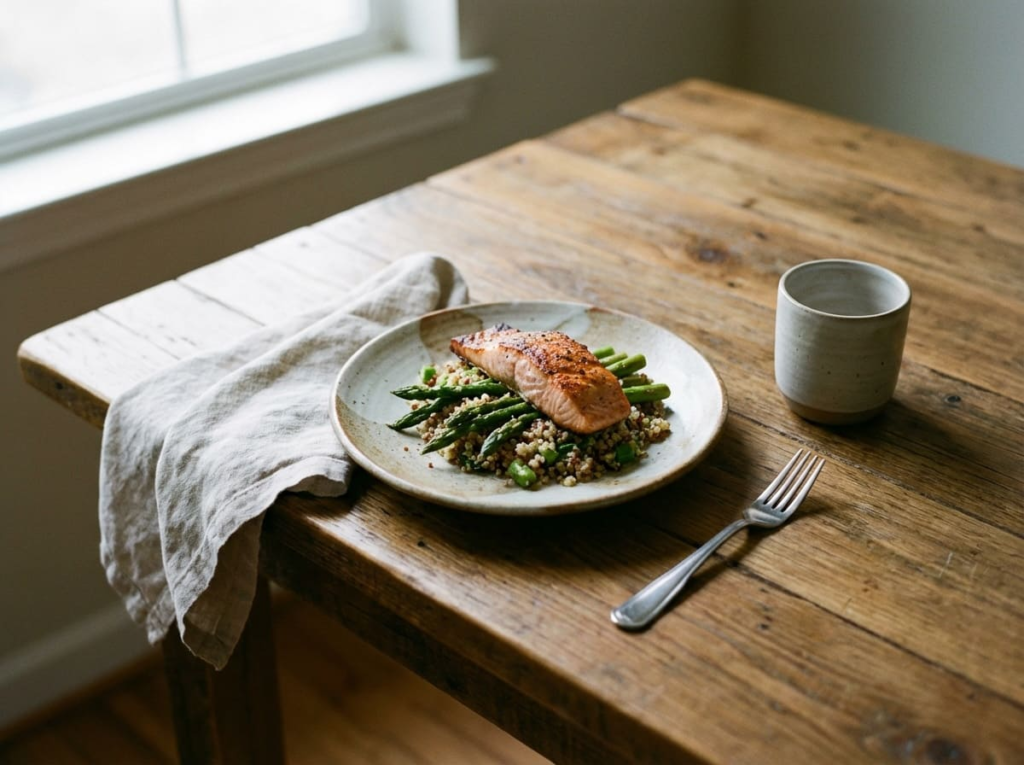
Switch from three standard meals to five or six smaller eating occasions throughout the day. Instead of a full plate at dinner, eat half that amount and save the rest for a snack two hours later. This approach keeps your stomach from becoming overly full while maintaining adequate nutrition.
Aim for portions that fit in a closed fist or small bowl. Many people find that 1/2 to 3/4 cup of food per eating occasion feels comfortable. Listen to your body’s early fullness signals and stop eating before you feel stuffed, even if food remains on your plate.
2. Try Ginger Tea or Ginger Supplements
Ginger has been used for centuries to combat nausea, and research supports its effectiveness. Studies show that ginger can reduce nausea by affecting serotonin receptors in the digestive tract and speeding up stomach emptying slightly, which may counteract some of the GLP-1 slowdown.
Fresh ginger tea works well for many people. Slice 1-2 inches of fresh ginger root, steep in hot water for 5-10 minutes, and sip slowly. The warmth combined with ginger’s active compounds can provide relatively quick relief.
If you don’t enjoy tea, try ginger chews, ginger capsules (typically 250-500mg), or even ginger ale made with real ginger. Start with small amounts to assess your tolerance. Some people find ginger very effective, while others notice minimal benefit.
3. Avoid Lying Down After Eating
Gravity helps food move from your stomach into your intestines. When you lie down after eating, especially with already-slowed gastric emptying from GLP-1 medications, food can sit in your stomach even longer and potentially flow back toward your esophagus, intensifying nausea.
Stay upright for at least 2-3 hours after eating. Sit in a chair, go for a gentle walk, or stand while doing light activities. This positioning encourages food to move through your digestive system in the right direction.
If you need to rest, prop yourself up at a 45-degree angle or higher using pillows. Even this partial elevation is better than lying completely flat. Many people find that their evening dose causes more nausea partly because they eat dinner and then relax on the couch or go to bed too soon afterward.
4. Stay Hydrated Between Meals
Dehydration worsens nausea, creating a difficult cycle where nausea makes you not want to drink, which then intensifies the nausea. Proper hydration helps your digestive system function and can reduce the severity of GLP-1-related nausea.
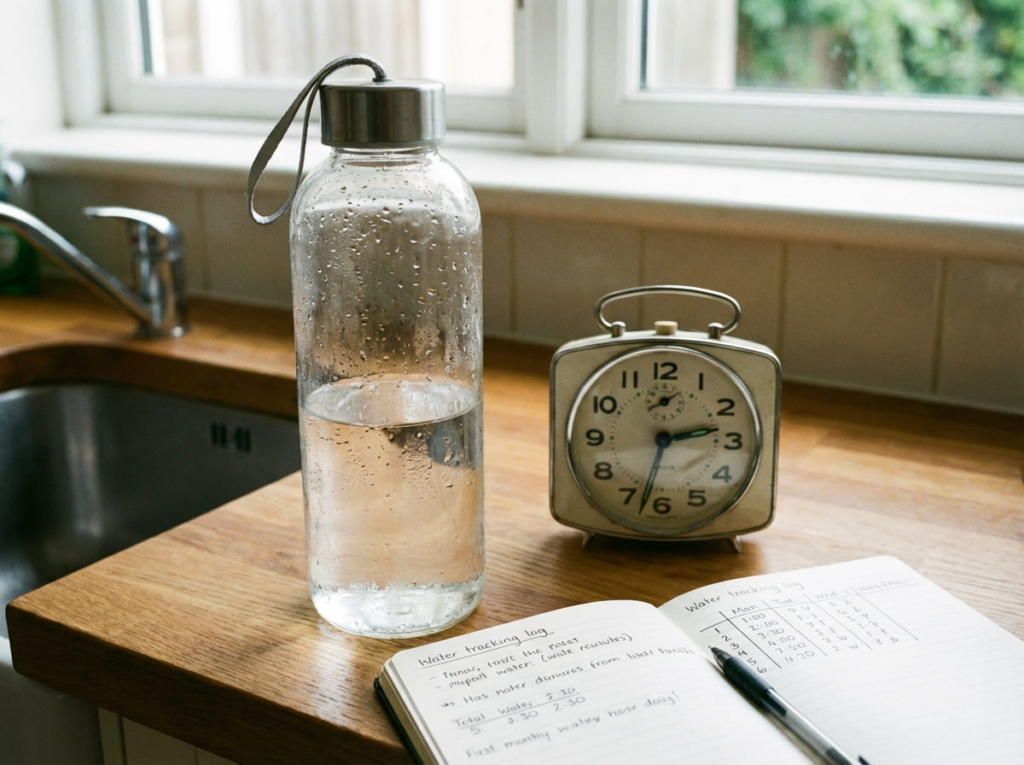
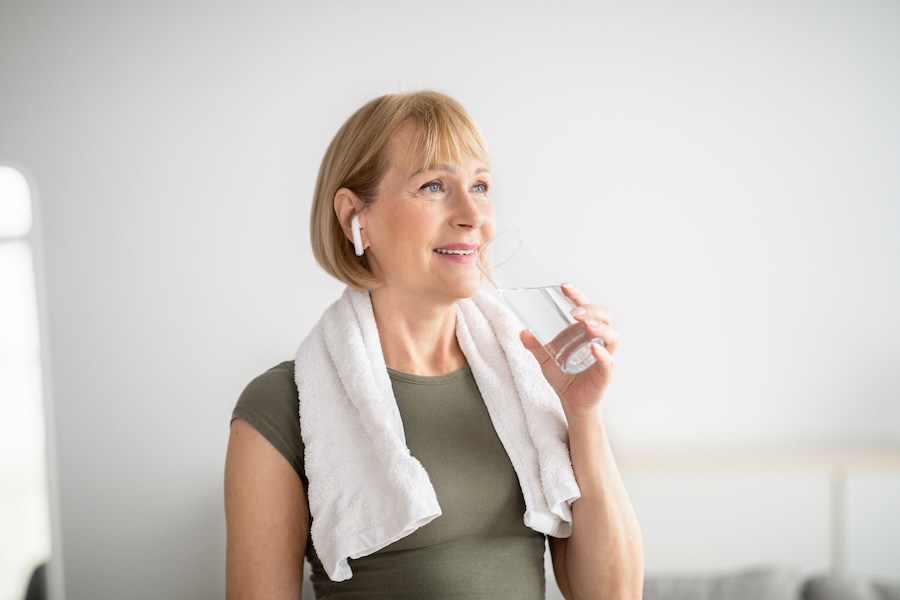
The key is timing. Drink most of your fluids between meals rather than with meals. Drinking large amounts while eating fills your stomach faster and can trigger nausea. Sip 4-8 ounces of water or other clear fluids every hour when you’re not eating.
Aim for at least 64 ounces of fluid daily, and more if you’re exercising or in hot weather. Water is ideal, but if plain water feels unappealing, try water infused with lemon or cucumber, herbal tea, or clear broth. Small, frequent sips work better than chugging large amounts at once.
5. Start with Bland Foods First Thing in the Morning
GLP-1 nausea can be the worst in the morning, particularly if your stomach is empty. Bland, easily digestible foods can settle your stomach and provide energy without triggering more nausea.
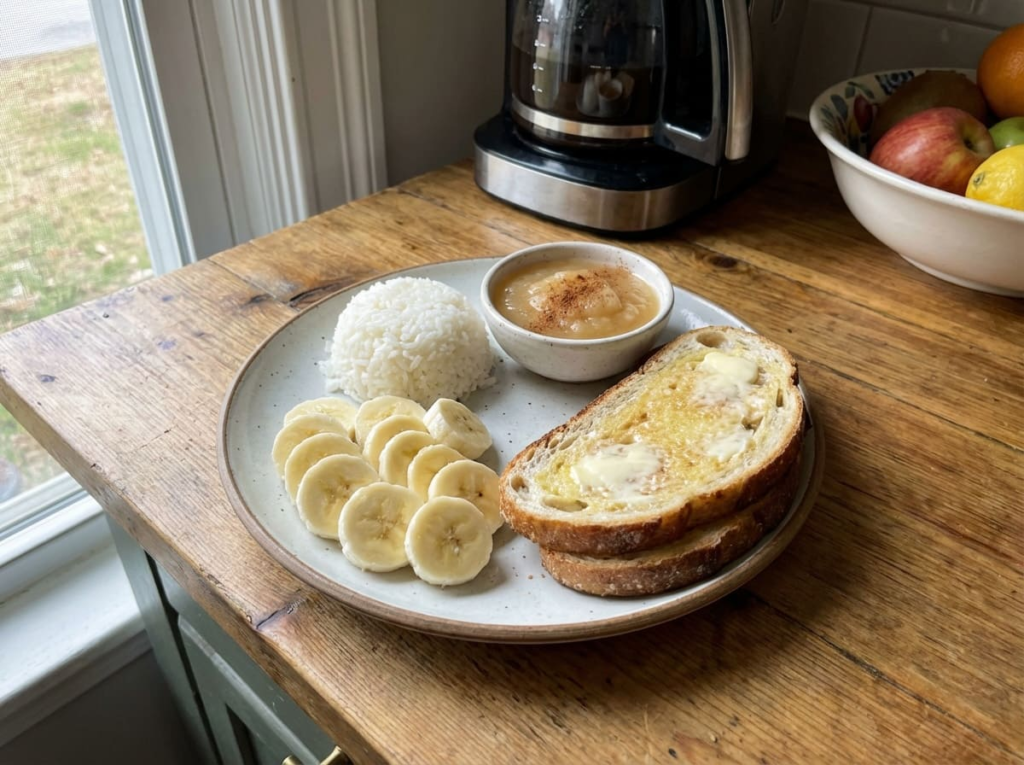
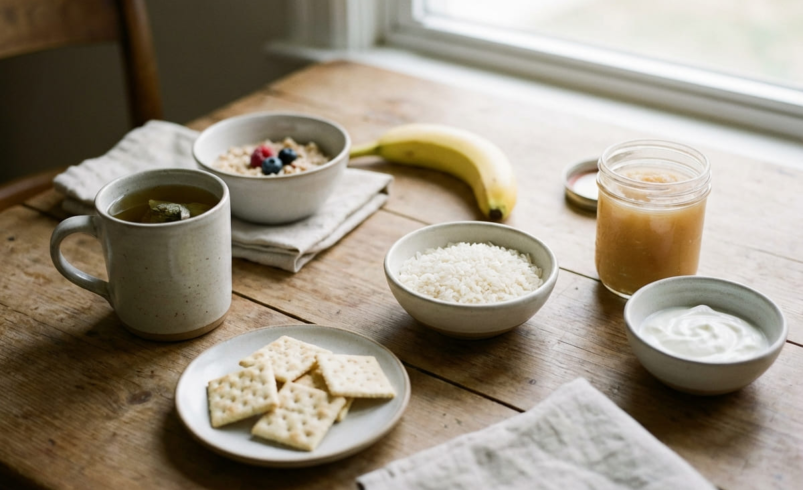
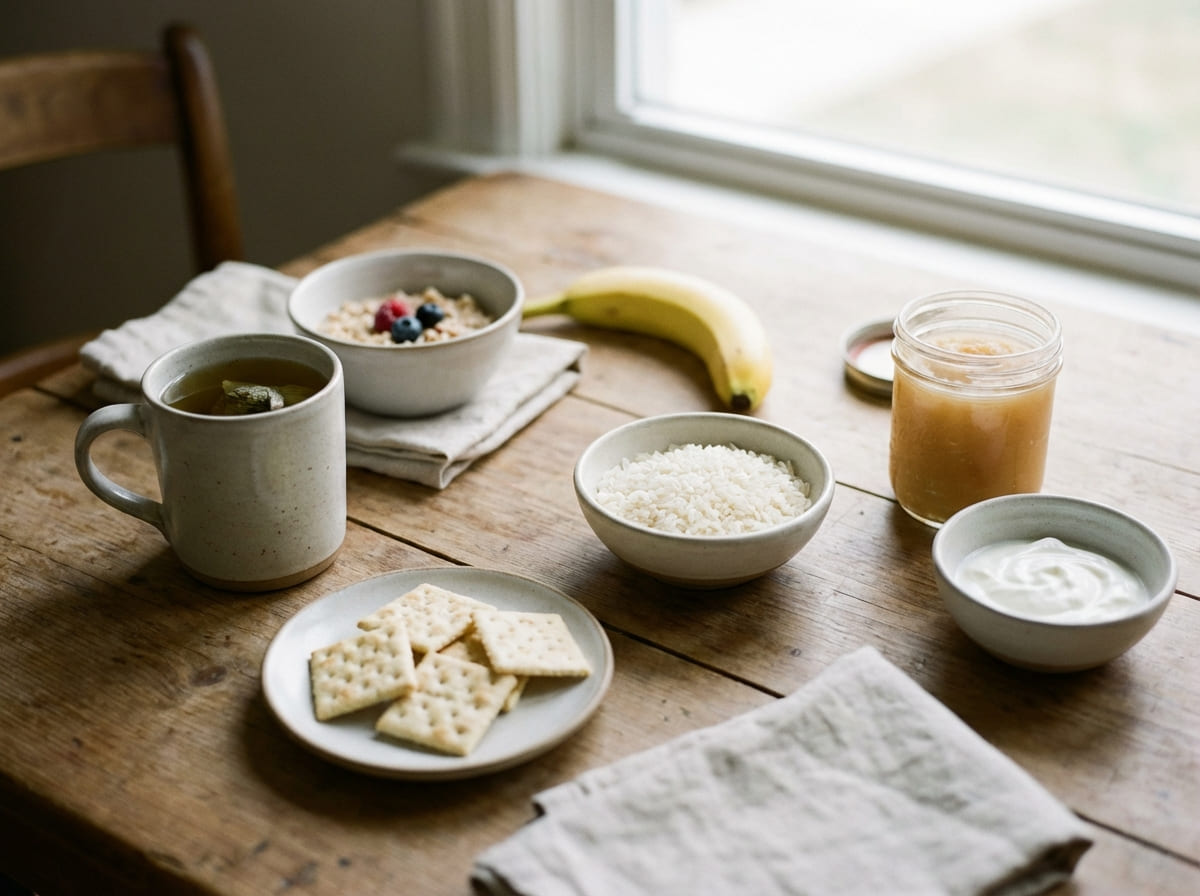
The BRAT diet components work well here: bananas, rice, applesauce, and toast. These foods are low in fat and fiber, making them gentle on your digestive system. Oatmeal, plain crackers, or dry cereal are also good options.
Eat something small within 30-60 minutes of waking, even if you don’t feel hungry. Waiting until you’re very hungry can make nausea worse. Start with just a few bites and see how you feel. You can always eat more if your stomach tolerates it well.
6. Choose Cold Foods Over Hot When Nauseated
Temperature affects how your stomach responds to food. Hot foods release more aromas, which can trigger or worsen nausea when you’re already feeling queasy. Cold foods have less smell and can feel more refreshing when you’re nauseated.
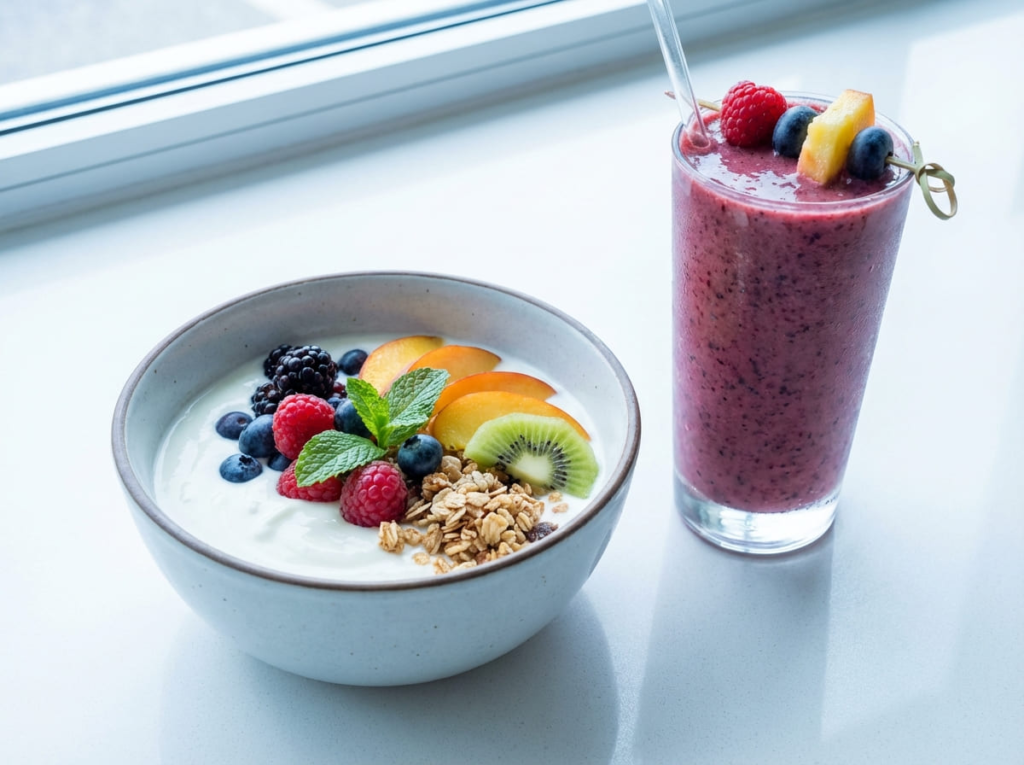
Cold protein sources like Greek yogurt, cottage cheese, deli turkey, or chilled shrimp can be easier to tolerate than hot proteins. Smoothies, protein shakes, and cold fruit provide nutrition without the heavy feeling of a cooked meal.
Many GLP-1 users report that cold or room-temperature foods feel lighter and less likely to cause discomfort. Experiment with temperature to find what works best for you. Some people alternate between cold foods on high-nausea days and warm foods when feeling better.
7. Get Fresh Air and Avoid Stuffy Environments
Fresh air can provide surprisingly effective relief from nausea. Stuffy, warm, or poorly ventilated spaces tend to intensify queasiness, while cool, moving air can help settle your stomach.
When nausea hits, step outside for 5-10 minutes if possible. Even opening a window and sitting near it can help. The combination of cooler temperature and air circulation seems to calm the digestive system for many people.
If you’re stuck indoors, use a fan to create airflow around you. Some people find that standing in front of an open refrigerator or freezer for a minute provides temporary relief through the combination of cool air and deep breathing.
8. Try Peppermint in Various Forms
Peppermint has natural anti-nausea properties and can help relax the muscles of your digestive tract. Research shows that peppermint aromatherapy and peppermint tea both reduce nausea in various clinical settings.
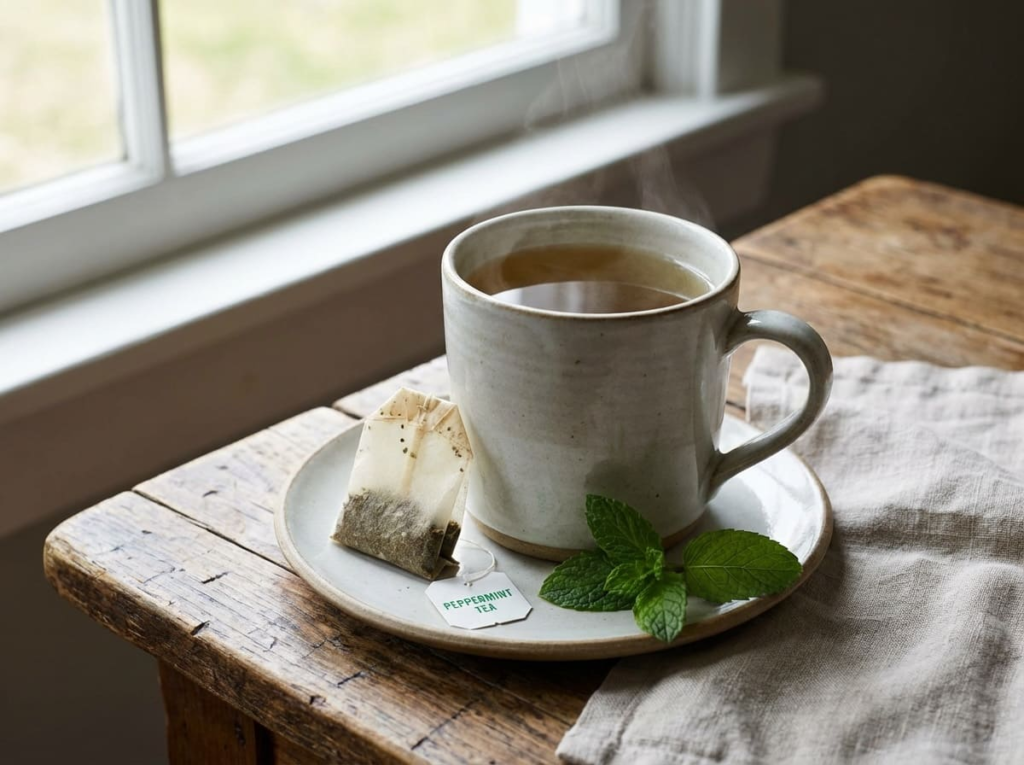
Peppermint tea is one of the easiest forms to try. Steep a peppermint tea bag in hot water for 5 minutes and sip slowly. The warmth combined with peppermint’s soothing effect works well for many people.
Peppermint essential oil used in aromatherapy can also help. Put a drop on a tissue or cotton ball and inhale slowly, or use a diffuser. Peppermint candies or gum provide another option, though look for products made with real peppermint oil rather than just artificial flavoring.
Avoid peppermint if you have acid reflux or GERD, as it can relax the lower esophageal sphincter and worsen reflux symptoms.
9. Eat Slowly and Chew Thoroughly
How you eat matters as much as what you eat when managing GLP-1 nausea. Eating too quickly fills your already-slow stomach faster than it can comfortably handle, almost guaranteeing increased nausea.
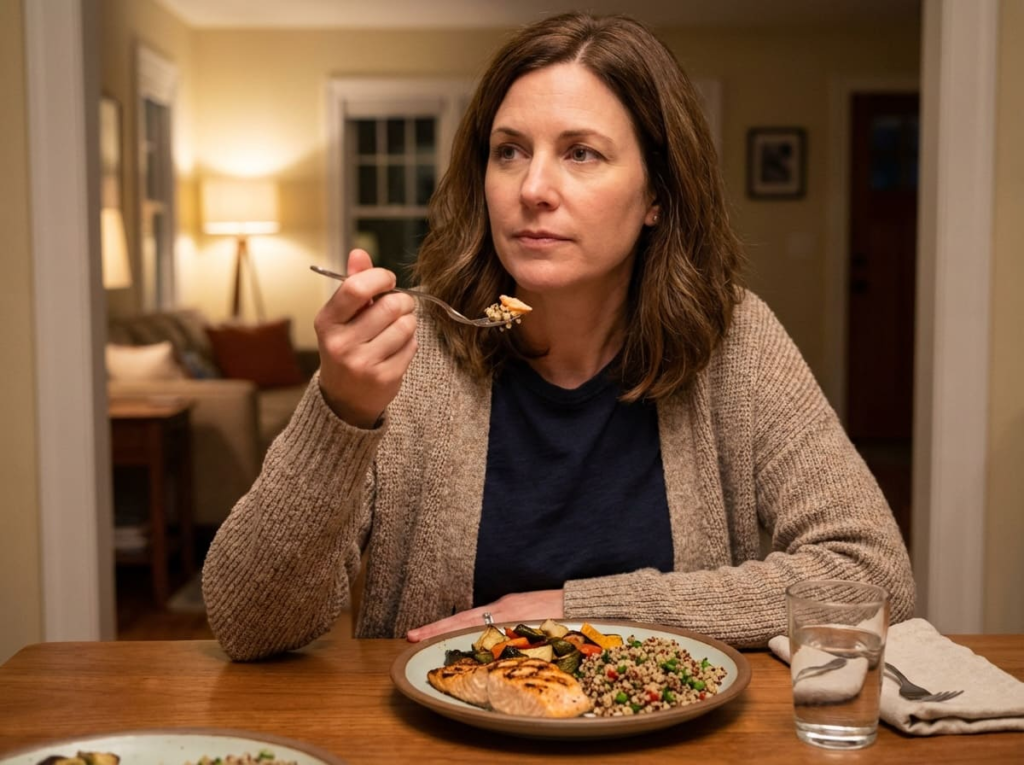
Take at least 20-30 minutes to finish a small meal. Put your fork down between bites. Chew each bite thoroughly, aiming for 20-30 chews before swallowing. This might feel excessive at first, but it significantly reduces the workload on your digestive system.
The additional chewing breaks food down more completely before it reaches your stomach, making it easier to digest. It also gives your brain time to register fullness signals, helping you stop before overeating triggers nausea.
Minimize distractions while eating. Watching TV or scrolling on your phone while eating often leads to faster eating and less awareness of fullness cues. Focus on your food and pay attention to how your stomach feels.
10. Avoid Strong Smells and Cooking Odors
Smell sensitivity increases dramatically for many people on GLP-1 medications. Cooking odors, perfumes, cleaning products, and even coffee can trigger immediate nausea when you’re already feeling queasy.
When possible, avoid being near cooking areas when food is being prepared. If you must cook, choose methods that produce less aroma: steaming, baking, or using a slow cooker with the lid on rather than frying or sautéing.
Open windows while cooking to ventilate smells quickly. Use exhaust fans. Consider cold meal prep on days when you’re feeling better so you have pre-made food available on high-nausea days without needing to cook.
Ask family members or roommates to minimize strong scents like perfume, cologne, or scented candles. While this might seem excessive, smell triggers for nausea are real and can significantly impact your comfort.
11. Keep Crackers or Dry Toast by Your Bed
Many people experience their worst nausea first thing in the morning on an empty stomach. Having something bland immediately available when you wake up can prevent nausea from escalating.
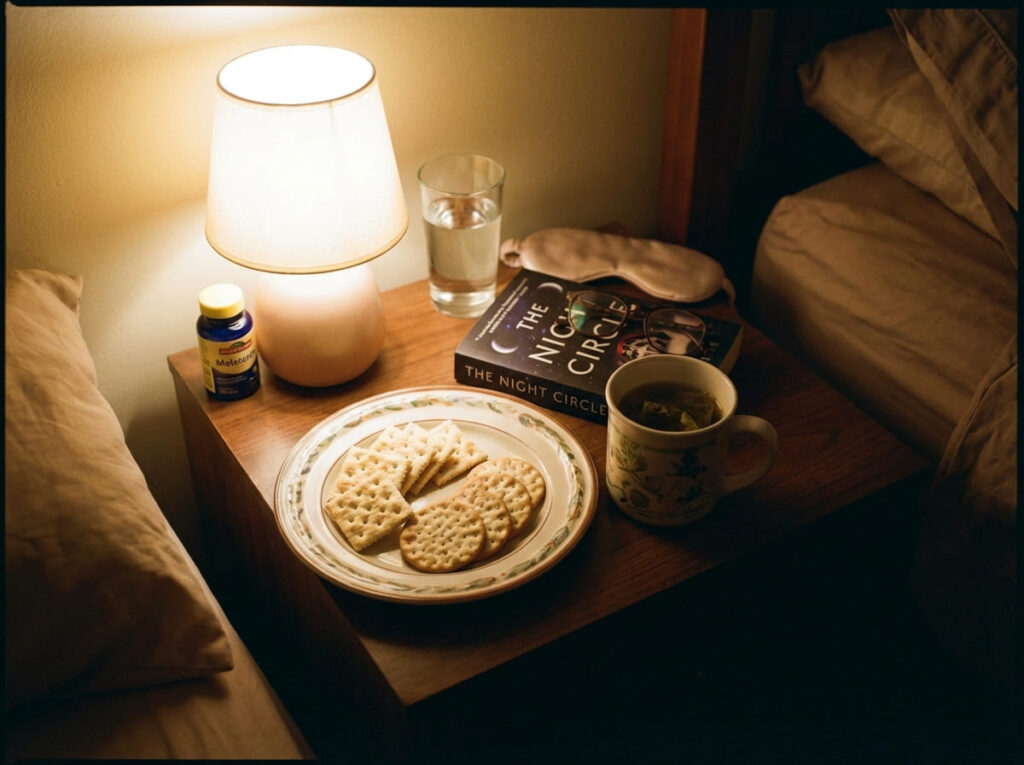
Keep a small container of plain crackers, dry toast, or plain cereal on your nightstand. Eat a few bites before getting out of bed, then wait 10-15 minutes before standing up. This gives your stomach something to work with and can significantly reduce morning nausea.
Saltine crackers, rice cakes, or plain Melba toast all work well. The small amount of carbohydrates provides quick energy and helps stabilize blood sugar, which can contribute to nausea when it drops too low overnight.
This strategy is particularly helpful in the first few weeks after starting GLP-1 medication or after dose increases, when morning nausea tends to be most severe.
12. Know When to Try Over-the-Counter Medications
Over-the-counter anti-nausea medications can provide relief when dietary and lifestyle strategies aren’t enough. However, you should discuss any new medications with your healthcare provider first, especially since you’re already taking a prescription medication.
Common OTC options:
Vitamin B6: Taking 25mg of vitamin B6 two to three times daily can reduce nausea for some people. This is often recommended during pregnancy and may help with GLP-1 nausea. It’s generally safe but should be discussed with your doctor.
Dramamine (dimenhydrinate): Originally used for motion sickness, Dramamine can help with general nausea. It may cause drowsiness, so avoid driving after taking it.
Pepcid (famotidine): While technically an antacid, Pepcid can help if your nausea is related to acid reflux, which sometimes accompanies GLP-1 use. Take as directed on the package.
Start with the lowest effective dose of any medication and take it only when needed rather than preventively. Some people find that taking an anti-nausea medication 30 minutes before their GLP-1 injection reduces subsequent nausea.
When to Call Your Doctor About GLP-1 Nausea
While nausea is a common and usually manageable side effect, certain situations require medical attention. Contact your healthcare provider if you experience any of the following:
Severe, persistent nausea that prevents you from eating or drinking for more than 24 hours. This can lead to dehydration and nutritional deficiencies that require intervention.
Vomiting multiple times per day or any vomiting that continues for more than 48 hours. Frequent vomiting can cause dehydration, electrolyte imbalances, and esophageal irritation.
Signs of dehydration including dark urine, dizziness when standing, dry mouth, decreased urination, or rapid heartbeat. Dehydration from nausea and reduced fluid intake can become serious.
Severe abdominal pain especially in the upper abdomen. While mild discomfort can accompany nausea, severe or sharp pain might indicate pancreatitis, a rare but serious potential side effect of GLP-1 medications.
Weight loss that’s too rapid (more than 2-3 pounds per week consistently) or inability to maintain adequate nutrition due to nausea. Your doctor may need to adjust your dose.
Nausea that significantly worsens rather than gradually improving after 2-3 weeks on a stable dose. While some nausea is normal, it should become more manageable over time, not worse.
Your healthcare provider has several options if nausea becomes unmanageable. They might reduce your dose temporarily, slow the rate of dose increases, prescribe prescription anti-nausea medication like ondansetron (Zofran), or in rare cases, switch you to a different GLP-1 medication that you might tolerate better.
Don’t try to push through severe nausea or assume it’s something you just have to accept. Effective GLP-1 treatment should be tolerable. Most people find that nausea decreases significantly within 2-4 weeks as their body adjusts to the medication. If yours doesn’t, medical intervention can help.
The goal with GLP-1 medication is sustainable weight loss and improved health, not suffering through debilitating side effects.
Work with your healthcare team to find the right balance of medication dose and nausea management strategies that allows you to function comfortably while achieving your health goals.
More GLP-1 Lifestyle Tips