1. Your Appetite Will Disappear Fast - Prep Meals Ahead
You’ve probably heard that GLP-1s reduce your appetite. But hearing it and experiencing it are completely different things.
What actually happens: Within the first few days, your normal hunger signals just… stop. You’ll look at the clock, realize it’s 3 PM, and think “oh right, I should probably eat something.” Food that used to excite you suddenly seems uninteresting. Your brain forgets about meals entirely.
This sounds great in theory. But when you have zero appetite and you’re also dealing with nausea, the last thing you want to do is figure out what to cook or stand over a hot stove dealing with food smells.
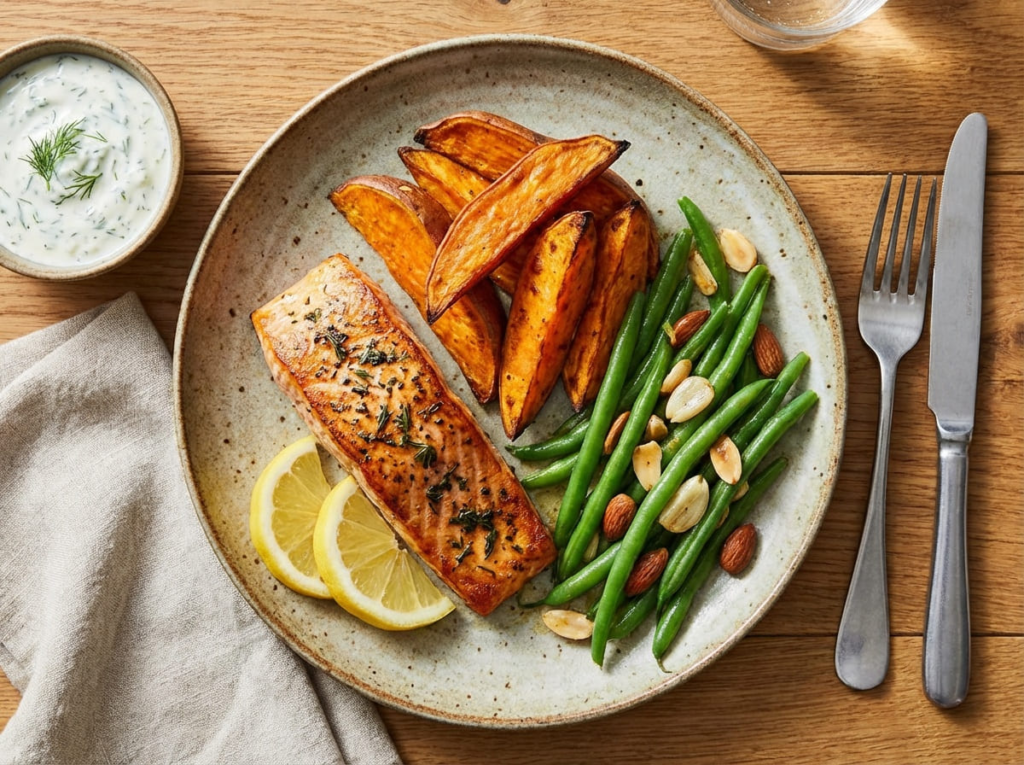
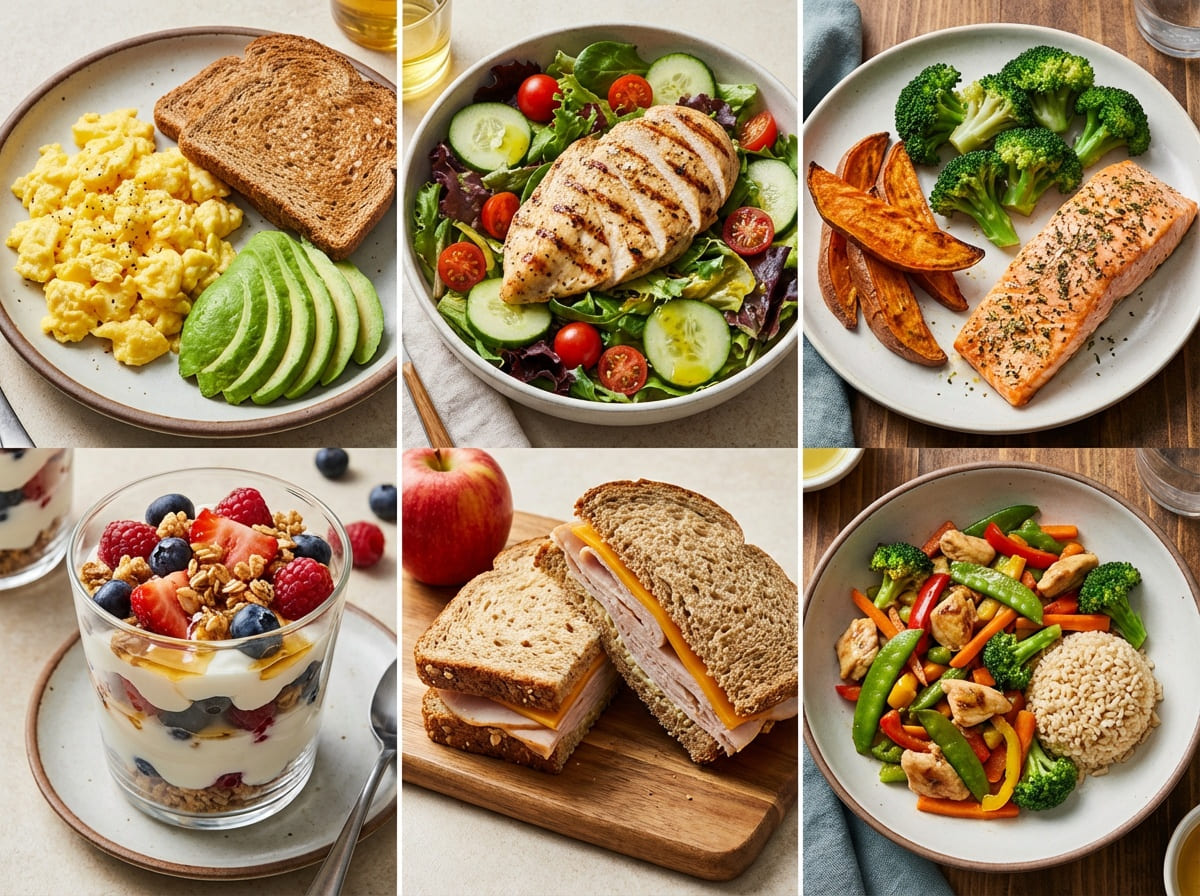
What to do: Before you take your first injection or dose of medication, spend a few hours meal prepping. Cook plain chicken breast, hard boil a dozen eggs, portion out Greek yogurt into small containers, cut up some fruit, and make a big batch of plain rice or quinoa. Stock up on crackers, applesauce, ginger tea, and peppermint tea.
Having ready-to-eat, nausea-friendly food available means you can grab something quickly when you know you should eat, even if you don’t feel like it. You’ll thank yourself a thousand times over during that first week.
2. Small Portions Are REALLY Small - Get Small Plates
Everyone says “you’ll eat smaller portions.” Sure, makes sense. But the portions that feel comfortable on GLP-1s are way smaller than you’re imagining right now.
What actually happens: What used to be an appetizer is now a full meal. Half a sandwich is plenty. A few bites of dinner and you’re done. If you put a normal-sized portion on your plate, you’ll eat a quarter of it and feel uncomfortably full for hours.
There’s also a psychological component. Looking at a big plate with a tiny amount of food on it can feel depressing or triggering if you have any history with disordered eating. And seeing all that leftover food can make you feel wasteful or guilty.
What to do: Buy a set of smaller plates and bowls before you start. Think salad plates instead of dinner plates. Small cereal bowls instead of pasta bowls. When you serve yourself a small portion on a small plate, it looks like a normal amount of food, which is easier mentally.
Also, invest in good food storage containers. You’re going to have leftovers from everything. A meal that used to feed you once will now feed you three times. Being able to quickly store the rest for later makes eating out or cooking at home way easier.
3. Protein First Isn't Optional - It's Essential
You’ll hear “prioritize protein” over and over. It sounds like generic diet advice. It’s not. On GLP-1s, protein becomes absolutely critical in a way it’s never been before.
What actually happens: When you’re only eating 1,200-1,500 calories a day instead of your usual 2,000+, and you’re losing weight quickly, your body will break down muscle for energy if you’re not getting enough protein. A lot of your weight loss can come from muscle instead of fat if your protein intake is too low.
Losing muscle tanks your metabolism, makes you weaker, and means you’ll likely regain weight faster when you eventually stop the medication. Plus, protein helps you feel more energized and less fatigued during the adjustment period.
What to do: At every single meal or snack, eat your protein first before anything else. Greek yogurt, eggs, chicken, fish, protein shakes – get 20-30g of protein in you before you touch the vegetables or carbs. If you only eat a few bites before you’re full, make sure those bites were protein.
Track your protein for the first few weeks using an app like MyFitnessPal. You’ll probably be shocked at how little you’re actually getting. Aim for at least 60-80g daily, even if that means relying on protein shakes to bridge the gap
4. GLP-1 Nausea Peaks Day 2-4 - Have Ginger Tea Ready
Nausea is the most common side effect, but the timing catches people off guard. Many people feel pretty good after their first injection and think “hey, this isn’t so bad!” Then day 2 or 3 hits.
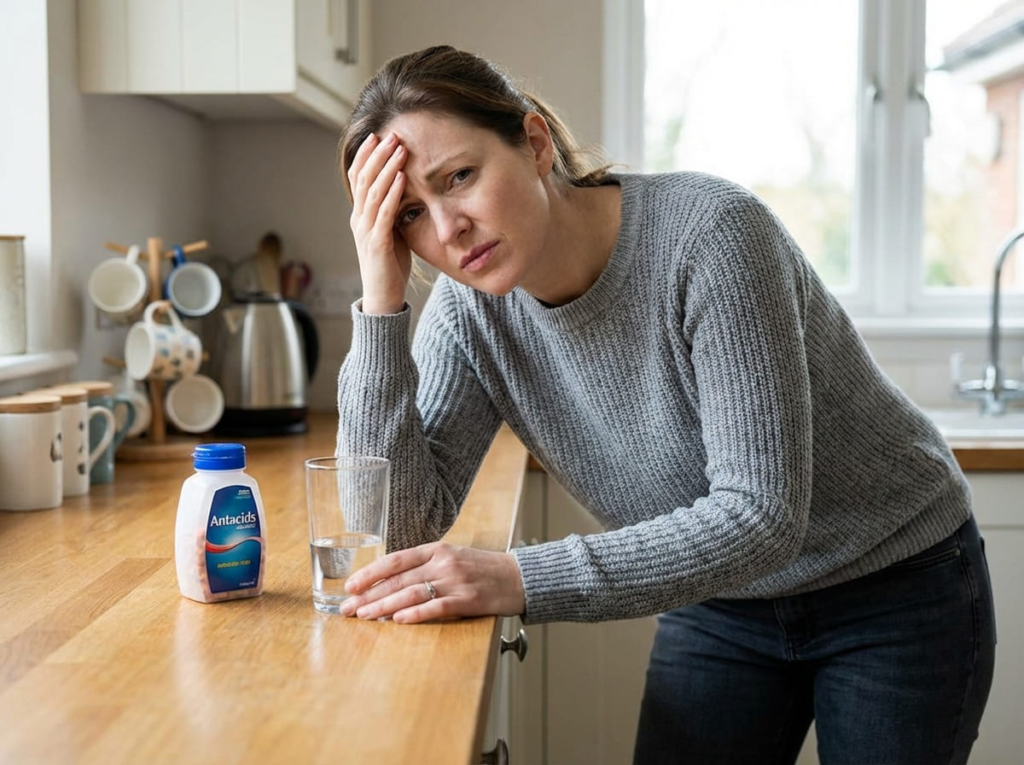
What actually happens: The medication takes about 48-72 hours to reach peak levels in your system. That’s when nausea typically hits hardest. It’s not immediate. So you might inject on Thursday, feel fine Friday, and then Saturday morning wake up feeling like you’re on a rocking boat.
The nausea usually feels worst in the morning on an empty stomach, and right after eating. It’s this weird catch-22 where you feel nauseated when you don’t eat, but eating makes you feel more nauseated.
What to do: Before you inject, stock your kitchen with nausea remedies. Get fresh ginger root for tea, buy ginger chews, grab some peppermint tea, and keep saltine crackers by your bed. Consider having some anti-nausea medication on hand (ask your doctor about what’s safe to take).
Plan for your first injection to happen when you have a few lighter days ahead. Don’t schedule it right before a big work presentation, an important event, or travel. Give yourself some grace to feel crappy for a few days.
5. You'll Need a Sharps Container Immediately
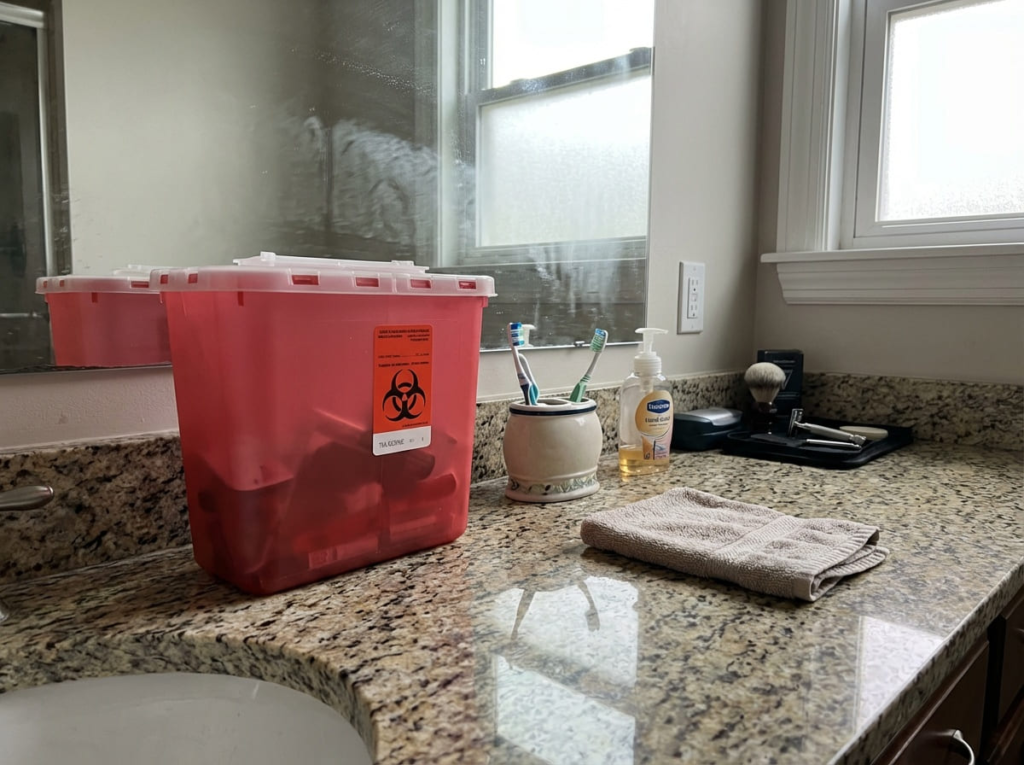
This seems obvious in hindsight, but so many people don’t think about it until they’re standing there holding a used needle with nowhere to put it.
What actually happens: After your first injection, you have a used needle that needs proper disposal. You can’t just throw it in the trash. It’s not safe, and in many places it’s illegal. But if you didn’t plan ahead, you’re stuck trying to figure out what to do with it at 9 PM on a Thursday.
Some people try to get creative with empty laundry detergent bottles or coffee cans, which sort of works but isn’t ideal. You need something that clearly marks it as containing medical sharps.
What to do: Order a sharps container on Amazon before your first injection arrives, or pick one up at any pharmacy. They’re cheap (usually under $10) and last for months.
If you’re using an auto-injector pen, you might need a larger sharps container than you’d think. Keep it somewhere convenient but out of reach of kids or pets. When it’s about two-thirds full, seal it up and check with your pharmacy, doctor’s office, or local waste management about disposal options in your area.
6. Injection (or Dose) Timing Matters - Plan Your Schedule
The timing of your weekly injection or oral medication has a bigger impact on your daily life than you’d expect. This is something people usually figure out by trial and error, which means suffering through a few rough weeks unnecessarily.
What actually happens: If you inject or take your dose Thursday morning and nausea hits hardest Friday and Saturday, you’ve just ruined your weekend. If you inject Friday night, your worst symptoms happen Saturday and Sunday while you’re off work, but then you feel fine Monday through Friday.
Some people find that injecting or taking their medication at night means they sleep through the worst nausea. Others prefer mornings so they can monitor how they feel during the day. There’s no universally right answer, but there’s definitely a right answer for your life and schedule.
What to do: Think about your weekly schedule before you take your first shot. When can you afford to feel crappy for 2-3 days? Most people find that taking their dose on a Friday or Saturday evening works well because the worst side effects hit over the weekend when they can rest.
Whatever day and time you choose, stick with it consistently. Your body will adjust to the routine, and you’ll know what to expect each week. Put a recurring reminder in your phone so you don’t forget.
7. GLP-1 Side Effects Are Temporary - They Really Do Get Better
When you’re in the thick of nausea, constipation, and fatigue during week 2, it feels like it’s going to last forever. Every article says “side effects improve with time,” but when you feel terrible, it’s hard to believe.
What actually happens: For most people, side effects peak during weeks 1-3 and then start improving noticeably. By week 4-6, many people feel pretty normal. Not everyone, but most. The nausea that felt unbearable in week 2 becomes occasional mild queasiness in week 5.
Yes, some side effects like constipation can be ongoing and need continued management. And yes, when you increase your dose, side effects come back temporarily. But that constant, miserable feeling of the first few weeks does pass.
What to do: Give it time. Resist the urge to quit during week 2 when everything feels awful. Mark 4 weeks on your calendar as your “reassessment point.” If you still feel terrible at 4 weeks with no improvement at all, then talk to your doctor about adjusting your dose or trying something different.
Keep a simple symptom journal. Rate your nausea, energy, and overall feeling from 1-10 each day. When you’re in week 3 feeling discouraged, you can look back and see “oh wait, week 1 was a 9 for nausea and now I’m at a 5. It is getting better.
8. Hydration Is Harder - Set Reminders
Drinking enough water sounds simple. It’s not. When your appetite disappears, your thirst often goes with it.
What actually happens: You used to drink water with meals, while snacking, and when you felt hungry (sometimes thirst masquerades as hunger). Now you’re eating way less, not snacking, and never feeling hungry. Your normal water intake drops without you realizing it.
Dehydration makes every side effect worse. It intensifies nausea, worsens constipation, increases fatigue, and can cause headaches and dizziness. But when you’re not thirsty, you just forget to drink.
What to do: Set phone reminders to drink water every hour. Make it specific: “Drink 8 oz of water now.” Not “stay hydrated” or “remember to drink water.” You need the specific prompt.
Get a large water bottle (32 oz or more) and set a goal for how many times you need to finish it each day. Some people use water bottles with time markers on the side showing where you should be by noon, 3 PM, etc.
Drink most of your water between meals, not during meals. Drinking a lot with food fills up your small stomach capacity and can trigger nausea. Sip 4-6 oz per hour consistently instead of chugging large amounts at once.
9. Food Aversions Are Real - Have Backup Options
You might develop sudden, strong aversions to foods you previously loved. This is one of the weirder side effects that people don’t talk about enough.
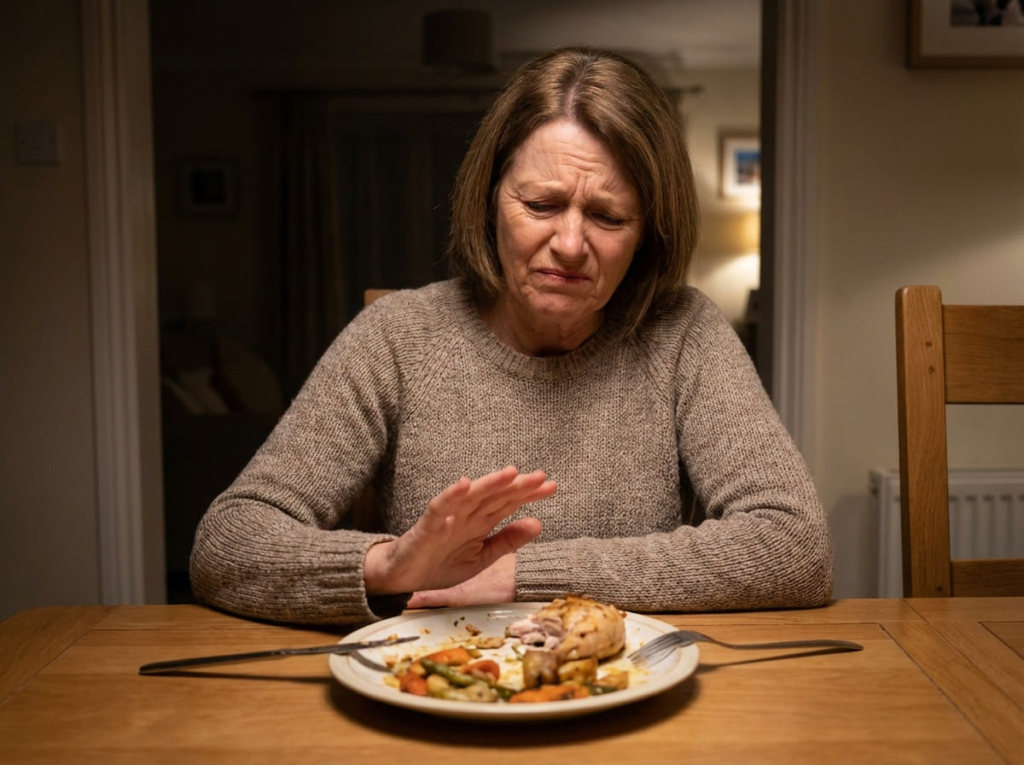
What actually happens: Chicken might suddenly seem disgusting. The smell of coffee could make you nauseous. Foods you ate all the time become completely unappealing, sometimes overnight. It’s not about willpower or being picky. Your brain’s relationship with food literally changes on these medications.
Some aversions are temporary and fade after a few weeks. Others stick around for months. You can’t predict which foods will trigger this or when it’ll happen. It’s incredibly frustrating when your go-to protein source suddenly makes you want to gag.
What to do: Don’t buy huge quantities of any one food, even if it’s something you love and rely on for protein. Buy smaller amounts of several different protein sources so you have options when one suddenly doesn’t work for you.
Keep a running list of proteins you can tolerate. When chicken stops working, you’ve got fish, eggs, Greek yogurt, protein shakes, and tofu as backups. When Greek yogurt starts seeming gross, switch to cottage cheese or protein shakes for a while.
Don’t force yourself to eat foods that make you feel sick just because they’re “healthy” or you spent money on them. The goal is getting adequate nutrition, not suffering through foods that make you miserable.
10. It's Not a Race - Slow and Steady Wins
When you start seeing results quickly, there’s a temptation to push harder. Skip the titration schedule and jump to a higher dose. Cut calories even more. Restrict food groups. Don’t do it.
What actually happens: People who rush the process usually end up with worse side effects that become unmanageable, leading them to stop the medication entirely. Or they lose weight so rapidly that it’s mostly muscle loss, tanking their metabolism. Or they develop an unhealthy relationship with food and eating.
The people who succeed long-term are the ones who follow the recommended dosing schedule, eat adequate nutrition, and treat this as a marathon rather than a sprint. Losing 1-2 pounds per week consistently is actually better than losing 4-5 pounds per week in terms of muscle preservation and long-term maintenance.
What to do: Follow your doctor’s prescribed titration schedule exactly. Don’t increase your dose early, even if you think you can handle it. The schedule exists for a reason.
Aim for 1-2 pounds of weight loss per week as your sweet spot. If you’re losing faster than that consistently, you might need to eat more. Yes, really. You need adequate calories and protein to preserve muscle and maintain your metabolism.
Remember that GLP-1 medications are a tool to help you build sustainable habits. Use this time to learn what appropriate portions look like, what foods make you feel good, and how to eat in a way that supports your health. That knowledge will serve you long after you stop the medication.
The Bottom Line
Starting GLP-1 medication is a journey. There’s a learning curve, some uncomfortable moments, and definitely a few “I wish someone had told me that” realizations along the way.
But here’s the thing: thousands of people have walked this path before you and come out the other side successfully. The first few weeks are the hardest. You’ll figure out your rhythm, find what works for your body, and develop strategies that make everything easier.
Be patient with yourself. Stock your kitchen with the right foods. Set yourself up for success with the practical stuff like sharps containers and small plates. And remember that the adjustment period is temporary, but the health benefits you’re working toward can last a lifetime.
Related GLP-1 Lifestyle Resources