Turkey & Avocado Lettuce Wraps (GLP-1 Lunch Idea)
- December 27, 2025
- 0
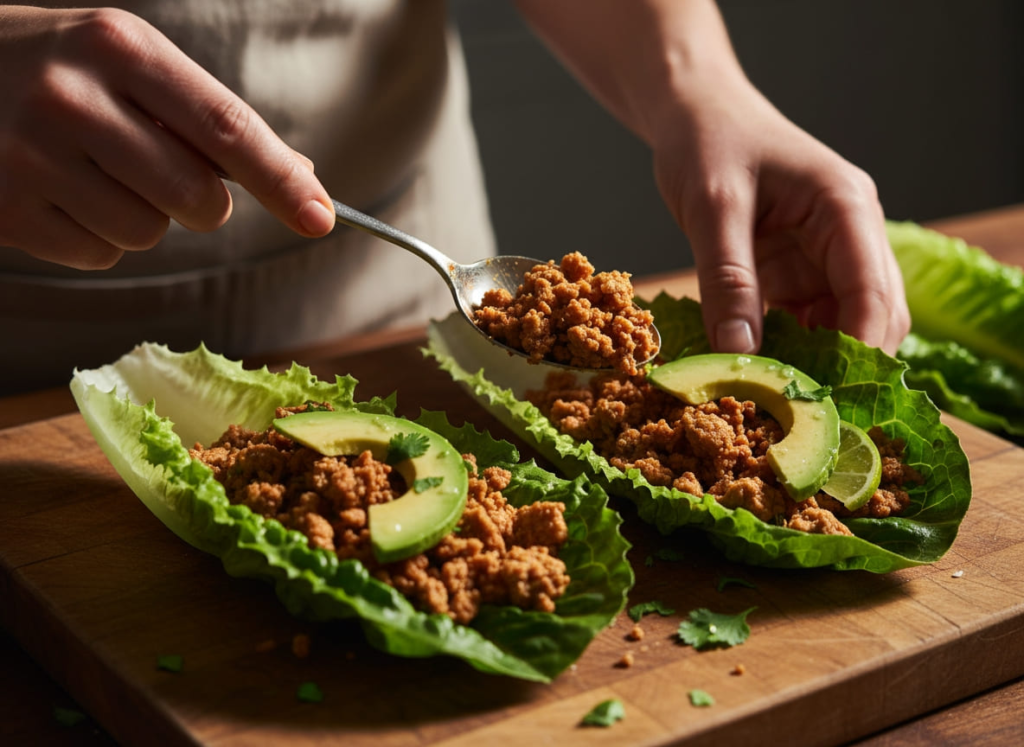
These turkey and avocado lettuce wraps are great for GLP-1 users who want a light, no-cook lunch that’s easy to digest.
What’s the best low-carb lunch for people on Ozempic or Wegovy? These turkey and avocado lettuce wraps deliver 25g of protein with zero cooking required, making them ideal for days when fatigue hits and bread feels too heavy. The crisp, cool vegetables and creamy avocado are gentle on sensitive stomachs while keeping you satisfied for hours.
Quick Recipe Info:
Lettuce wraps are perfect for days when bread or tortillas sound too heavy. I discovered this about two months into my GLP-1 weight loss journey when I made a regular turkey sandwich and could only manage two bites before the bread felt like it was sitting in my stomach like concrete.
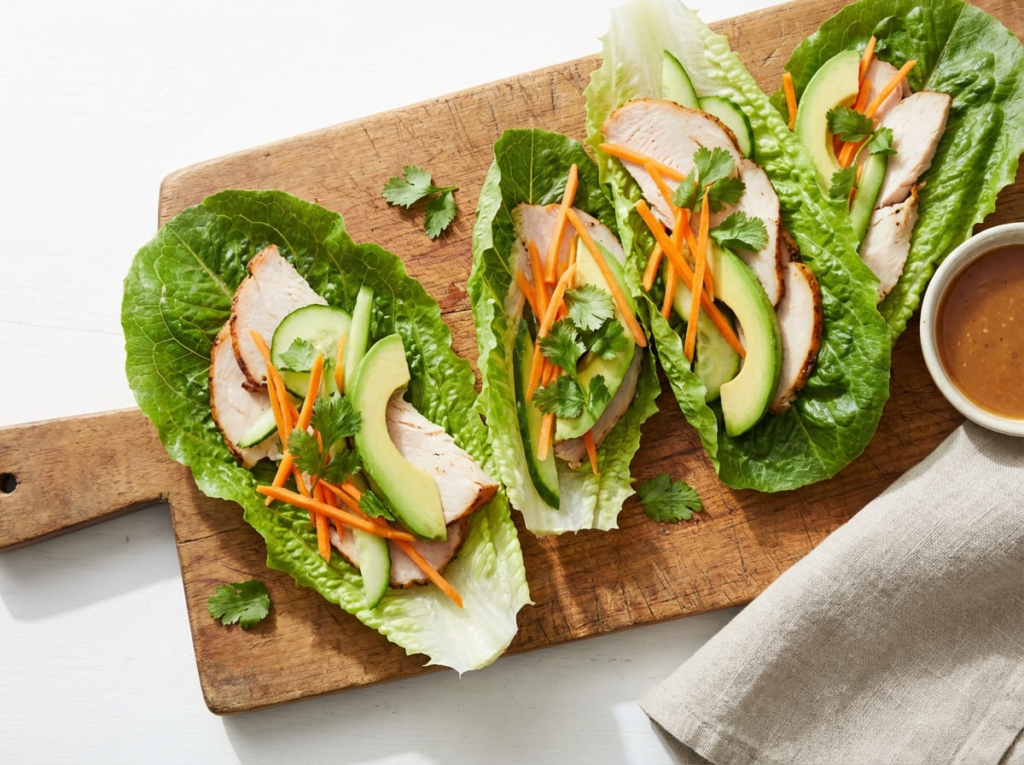
These turkey and avocado wraps are incredibly light yet still provide substantial protein and healthy fats. The combination keeps you satisfied without that uncomfortable fullness that can trigger nausea. Assembly takes only 10 minutes with no cooking required, making them ideal for days when fatigue hits or cooking feels impossible. Plus, the mild flavors work well even when your taste preferences have changed on medication.
Table of Contents
Toggle
Per Serving – 3 Wraps
Light, fresh, and easy to digest, these wraps check all the boxes for a GLP-1-friendly meal. The absence of bread removes the heaviness that can make you feel overly full or bloated.
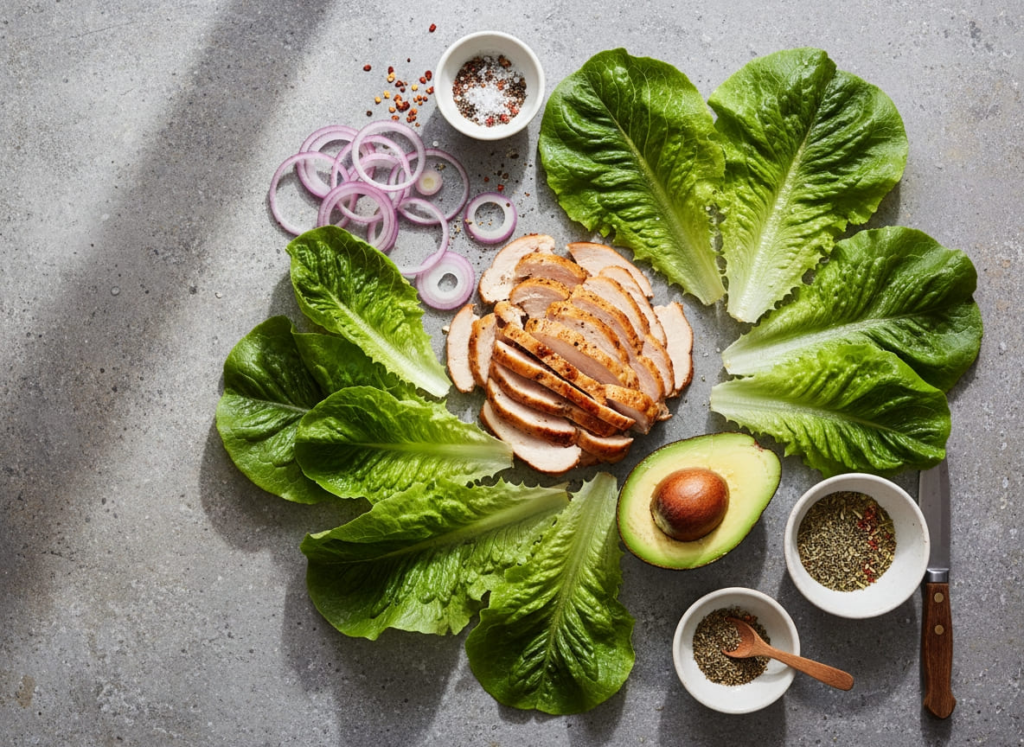
Turkey breast is one of the leanest protein sources available. Eight ounces provides 50 grams of protein total, divided into 25 grams per serving. The low fat content makes it easy to digest even when your stomach is sensitive. Deli turkey requires no cooking and minimal chewing. The thin slices are soft and easy to swallow, important when eating feels challenging.
Half an avocado per serving provides heart-healthy monounsaturated fats that trigger satiety without the grease or heaviness of cheese or mayo-based spreads. The creamy texture adds moisture and richness to the wrap. Avocado fats are anti-inflammatory and support nutrient absorption, helping your body utilize the vitamins in the vegetables.
With only 16 grams of carbohydrates, mostly from vegetables, these wraps won’t cause blood sugar spikes or the sluggish feeling that can come from carb-heavy meals. The 8 grams of fiber supports digestive health and satiety. The fiber comes entirely from vegetables and avocado, providing bulk without the bloating that grain-based wraps can cause.
Lettuce, cucumber, and tomato all have high water content, contributing to hydration when you might not be drinking enough fluids. The crisp, fresh vegetables also provide textural variety that makes eating more interesting.
Turkey breast is exceptionally lean, providing about 25 grams of protein per 4-ounce serving with minimal fat. It’s a complete protein with all essential amino acids needed for muscle maintenance. Choose low-sodium deli turkey when possible to control salt intake. Look for options with simple ingredients and no added nitrates if that’s a concern for you. Turkey is also rich in B vitamins, particularly niacin and B6, which support energy metabolism when you’re eating less overall.
One whole avocado contains nearly 20 vitamins and minerals. Half an avocado provides potassium, folate, vitamin K, and vitamin E. The monounsaturated fats support heart health and help control inflammation. Avocados are also one of the few fruits that provide healthy fats, making them uniquely filling. The creamy texture adds satisfaction without dairy or processed ingredients. The fiber in avocado supports digestive regularity, important when GLP-1 medications slow gastric emptying.
Butter lettuce has large, pliable leaves perfect for wrapping. It’s mild in flavor and tender in texture, making it ideal for people whose taste preferences have changed. Romaine is sturdier and provides more crunch. It’s higher in nutrients, particularly vitamin K and folate, but can be slightly harder to wrap. Both options are extremely low in calories while adding volume and visual appeal to your meal.
Hummus adds plant-based protein, fiber, and creaminess without dairy. Two tablespoons provide about 2 grams of protein plus healthy fats from tahini. The mild flavor works well in wraps without overwhelming other ingredients. It also acts as a binder, helping ingredients stick together in the lettuce wrap. If you prefer dairy, Greek yogurt ranch is an excellent alternative that adds extra protein.
Choose Your Lettuce Wisely
Butter lettuce is softer and easier to wrap but more delicate. Romaine is sturdier but requires more chewing. On days when your stomach is sensitive, butter lettuce may be easier. When you’re feeling good, romaine provides more crunch.
Don’t Overfill
Less is more with lettuce wraps. Overfilling makes them impossible to eat neatly and can feel overwhelming. Start with less filling than you think you need. You can always make another wrap.
Temperature Matters
Cold wraps are often easier to tolerate than hot meals when dealing with nausea. The crisp, cool vegetables can be refreshing rather than overwhelming.
Adjust Portions
Two wraps might be plenty for a meal. Save the third for a snack later. Don’t force yourself to eat all three just because the recipe makes that amount.
Make It Creamier
If the wrap feels too dry, add more hummus, a spread of Greek yogurt, or extra avocado. Moisture makes wraps easier to swallow when your appetite is low.
Skip Problem Ingredients
If tomatoes trigger acid reflux, leave them out. If raw onion bothers you, skip it. If avocado feels too rich one day, use less. These wraps are endlessly customizable.
Best Made Fresh: Lettuce wraps are best assembled and eaten immediately. The lettuce will wilt and vegetables will release water if assembled too far in advance.
Prep Components: Prepare all ingredients and store separately. Wash and dry lettuce, slice vegetables, portion turkey. Store each in separate containers. Assembly takes 5 minutes when components are ready.
Assembled Storage: If you must assemble ahead, wrap each lettuce wrap tightly in plastic wrap and refrigerate for no more than 2-3 hours. Expect some wilting and moisture.
Take Components to Go: Pack lettuce, turkey, and vegetables in separate containers. Assemble at lunchtime for best quality.
Leftover Use: Extra turkey, avocado, and vegetables can be used in salads, omelets, or other wraps. Don’t let prepared ingredients go to waste.
Avocado Storage: Cut avocado browns quickly. Store with pit still in, squeeze lemon juice over the cut surface, and cover tightly with plastic wrap pressed directly against the avocado flesh.
Can I eat lettuce wraps on Ozempic?
Yes. Lettuce wraps are excellent for GLP-1 users. They’re light, low-carb, easy to digest, and provide protein without the heaviness of bread-based wraps. The fresh vegetables are gentle on sensitive stomachs.
Are lettuce wraps filling enough for a meal?
For most people on GLP-1 medications, yes. The combination of lean protein, healthy fats from avocado, and fiber from vegetables creates satiety despite the light feel. If you need more, add a small side like fruit or a few crackers.
What if lettuce wraps fall apart?
Eat them with a fork and knife instead. There’s no rule saying you must hand-hold them. Or use a tortilla if bread sounds good that day. The nutrition is in the filling, not the vessel.
Can I add cheese?
Yes, but be mindful that cheese adds richness and fat. A small amount of feta or goat cheese works well without making the wrap too heavy. Avoid thick slices of cheddar or Swiss which can feel greasy.
What else can I use instead of lettuce?
Whole wheat tortillas, low-carb wraps, nori sheets (sushi wrapper), or cabbage leaves all work. Choose based on your preferences and how you’re feeling that day.
How can I make these more filling?
Add more turkey, include chickpeas or white beans, or spread the lettuce with hummus more generously. You can also serve with a small cup of soup on the side.

Have you tried this recipe? Share your experience in the comments below!