Turkey Meatballs with Marinara (GLP-1 High-Protein Dinner)
- January 8, 2026
- 0
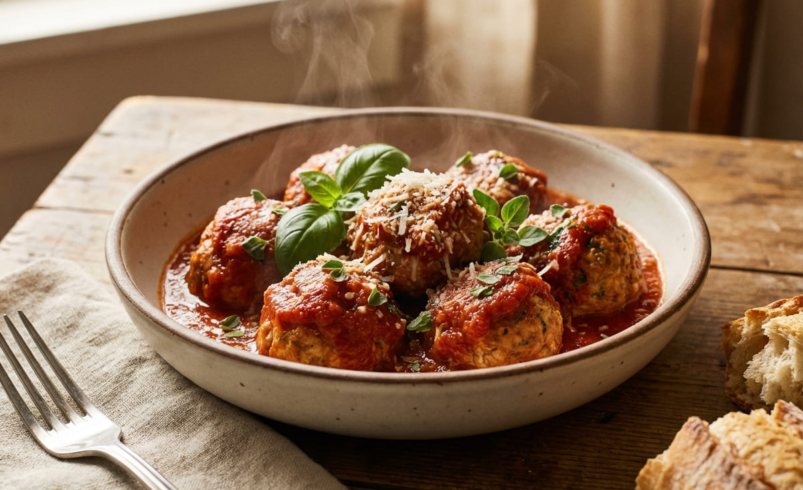
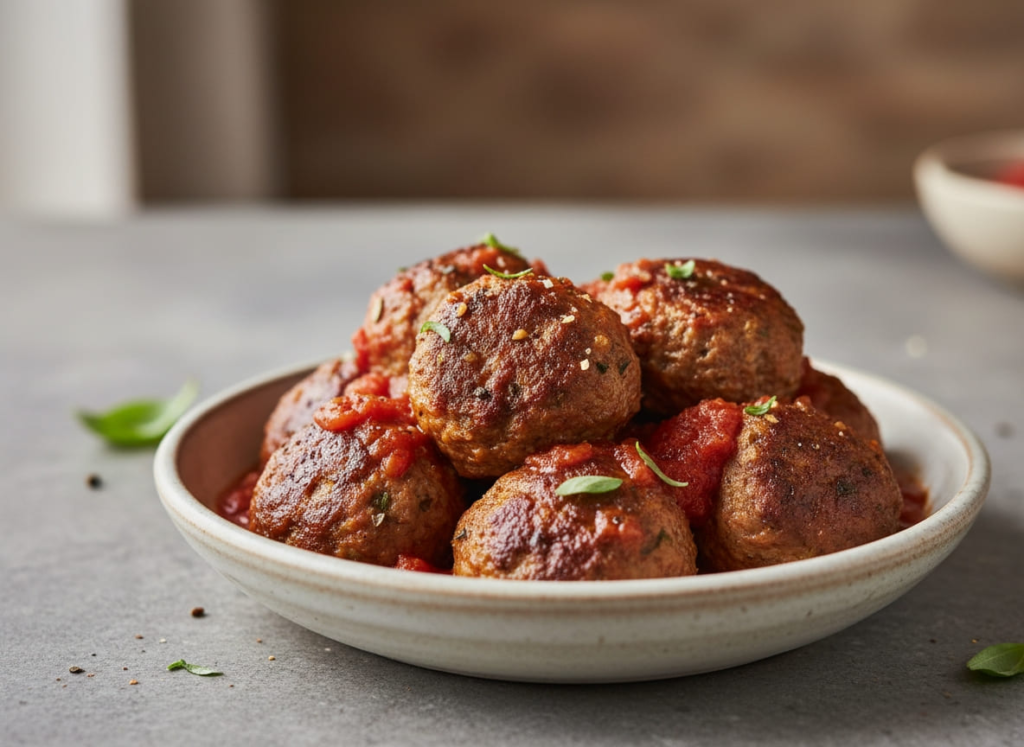
These turkey meatballs with marinara are are great for a GLP-1 diet when who want a high-protein, portion-controlled comfort dinner.
Looking for a high-protein comfort food that works with GLP-1 medications? These baked turkey meatballs deliver 34g of protein per serving in perfectly portioned pieces you can count and customize. Make a double batch and freeze them for weeks of ready-made protein when cooking feels impossible and you’re tired of plain chicken.
Quick Recipe Info:
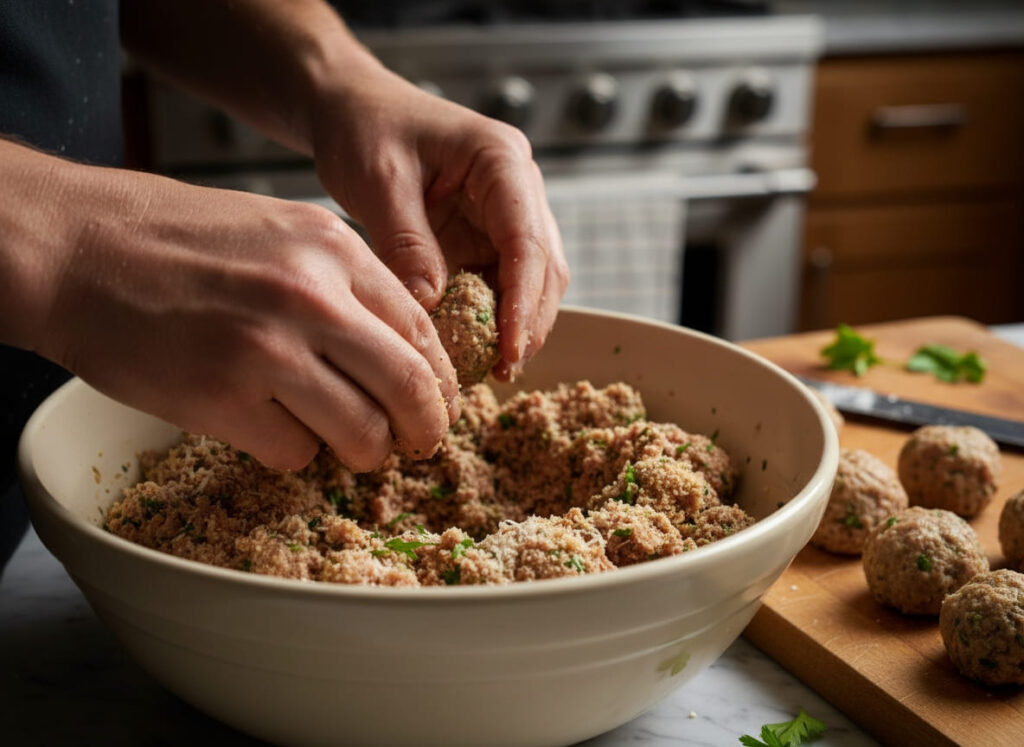
There was a month into my GLP-1 weight loss journey where I was so sick of grilled chicken that the thought of it made me want to cry. But I still needed protein. Enter meatballs. They’re handheld, they reheat well, and most importantly, they don’t feel like boring diet food. Four meatballs is a clear serving that I can actually finish. Two meatballs with some zucchini noodles is enough for lunch. The math is simple when you’re too tired to think.
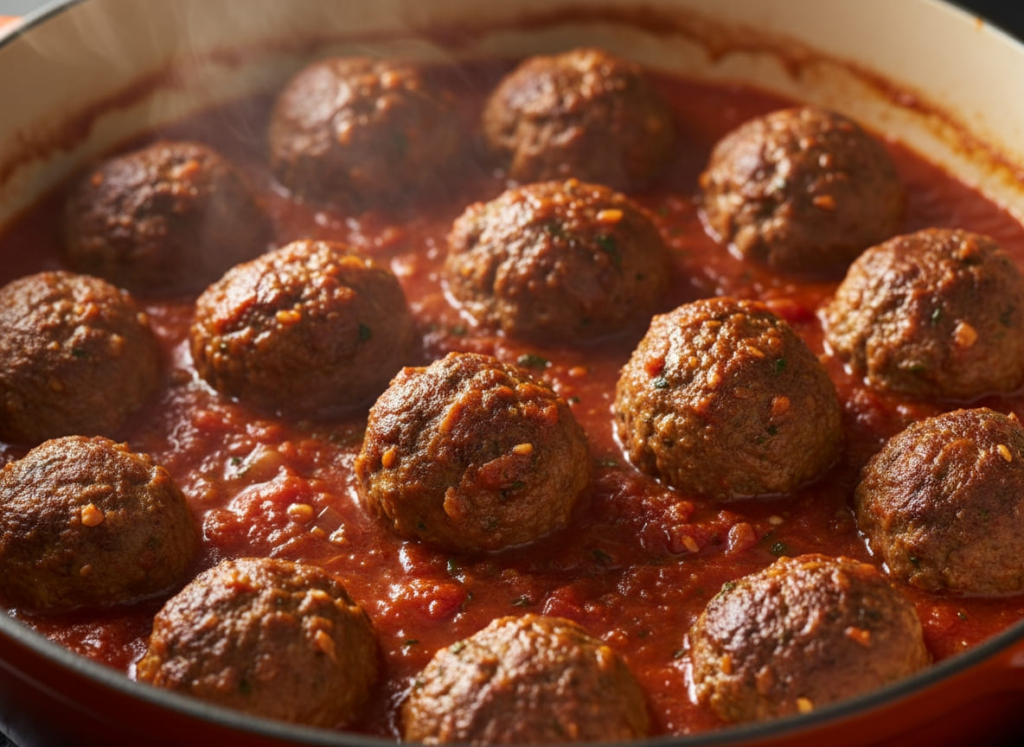
What makes these perfect is that they’re baked instead of fried, so you’re not standing at the stove managing multiple batches when you barely have the energy to stand. Ground turkey keeps them lean while delivering serious protein. The marinara adds moisture without cream or heavy cheese that would make you feel sick. Plus, they freeze incredibly well, which means you can make a double batch and have protein ready for weeks when cooking feels impossible.
Table of Contents
Toggle
Per Serving
Calories: 320
Protein: 34g
Carbohydrates: 22g
Fat: 10g
Fiber: 5g
Sugar: 11g (naturally occurring from tomatoes)
Traditional meatballs are heavy with beef, pork, and tons of breadcrumbs, then drowned in cheese. This lighter version delivers the comfort and satisfaction without making you feel terrible afterward. You get the same flavors but in a format that’s actually digestible — perfect for any GLP-1 meal plan.
Ground turkey at 93% lean provides substantial protein with minimal fat. Each meatball contains about 8 grams of protein. Four meatballs give you 34 grams total, which is roughly half your daily protein needs in one meal. That’s huge when you’re struggling to eat enough protein overall.
The marinara sauce is key here. It provides moisture and flavor without the fat and heaviness of cream-based sauces. Tomatoes are naturally acidic, which can actually aid digestion for many people. The sauce adds volume without many calories, helping you feel satisfied with a reasonable portion.
What I love most is the built-in portion control. Unlike a casserole or loose ground meat, individual meatballs create natural serving sizes. Four meatballs is a full serving. Two is half. The math is simple when your brain is foggy from medication side effects or you’re too tired to think about nutrition tracking.
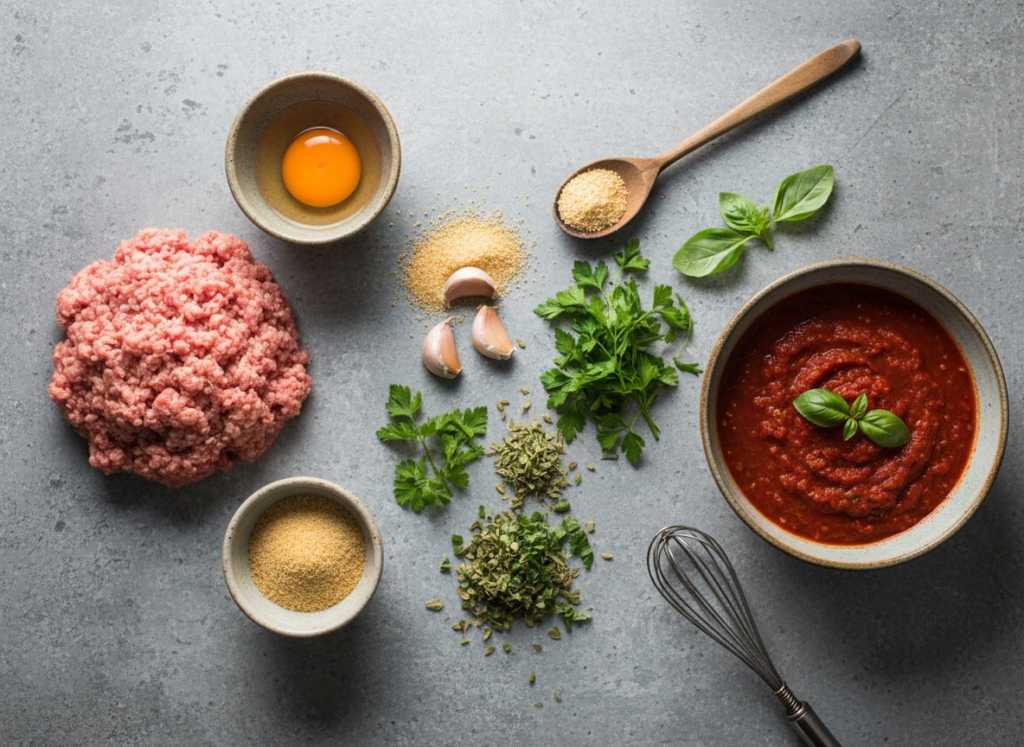
Ground turkey comes in different fat percentages. I use 93/7 because it’s lean enough to be healthy but has enough fat to stay moist. The 99/1 works but can be slightly dry. Avoid anything just labeled “ground turkey” without a percentage because it often includes dark meat and skin, bringing the fat content way up to around 85%.
One pound of 93/7 ground turkey contains about 640 calories and 140 grams of protein. The protein-to-calorie ratio is excellent for weight management.
A small amount of Parmesan adds savory depth without much fat. The aged cheese provides concentrated flavor, so a little goes far. It’s also naturally low in lactose, making it easier to digest than fresh cheeses.
Make smaller meatballs if four feels like too much. Form 1-inch meatballs instead of 1.5-inch. You’ll get about 24 total, and three smaller meatballs will have similar nutrition to two larger ones. Smaller pieces can be easier to manage when your appetite is reduced.
Watch the tomato acidity. If sauce triggers acid reflux, add the teaspoon of sugar and an extra tablespoon of tomato paste. Both reduce perceived acidity. You can also stir in a tablespoon of heavy cream at the end to mellow the sauce.
Skip the spice entirely. Leave out the red pepper flakes and reduce the garlic by half if strong flavors have become overwhelming. The herbs alone provide plenty of Italian flavor without being intense.
Eat meatballs first. Prioritize the protein before moving to whatever side you’re serving them with. This ensures you get adequate protein even if you can’t finish everything on your plate.
Serve at whatever temperature works. These are good hot, warm, or room temperature. If hot food triggers nausea, let them cool before eating. The flavors stay good at any temperature.
Add vegetables if you want. Finely dice mushrooms, zucchini, or spinach and mix into the meatball mixture. This adds nutrients and moisture while stretching the turkey further. The meatballs will be slightly softer but still delicious.
Refrigerator storage: Cool completely before storing. Meatballs and sauce can be stored together or separately in airtight containers for 4-5 days.
Freezer storage for uncooked meatballs: Form meatballs and freeze on a parchment-lined baking sheet until solid (about 2 hours). Transfer to a freezer bag. Keeps for 3 months. Bake directly from frozen, adding 5-10 minutes to cooking time.
Freezer storage for cooked meatballs: Cool completely and portion into freezer containers with sauce. Freeze for up to 3 months. Thaw overnight in refrigerator and reheat on stovetop or in microwave.
Reheating: Stovetop is ideal. Simmer meatballs and sauce in a covered pan over medium-low heat for 10-15 minutes. Microwave works at 70% power in 90-second intervals, stirring between.
Batch cooking strategy: Make a triple batch and bake all meatballs. Divide into portions: some with marinara for Italian meals, some plain to use in lettuce wraps or grain bowls, some frozen for future use. This gives you maximum flexibility with minimal extra effort.
Can I use ground chicken instead of turkey for this GLP-1 dinner recipe?
Yes. Ground chicken works identically to turkey with nearly the same nutrition profile. Look for lean ground chicken (93/7 or leaner).
Is this recipe suitable for people on Wegovy?
Absolutely. The lean protein, moderate calories, and portion-controlled format make this ideal for anyone on semaglutide medications. The meal is satisfying without being heavy.
Can I make these without breadcrumbs?
Yes. Substitute almond flour, crushed pork rinds, or simply omit the binder and add an extra egg. The texture will be denser without a binder but they’ll still taste good.
Why are my meatballs dry?
Lean ground turkey dries out easily. Don’t overbake. They’re done at 165°F internal temperature. Letting them simmer in sauce for a few minutes adds moisture back. Using 93/7 instead of 99/1 also helps.
Can I add cheese on top?
Yes, but it changes the nutrition. A tablespoon of shredded mozzarella per serving adds about 80 calories and 6g fat. If cheese sounds good and you want it, go for it. Just be aware of the addition.
How do I make these spicier?
Increase red pepper flakes to 1/2 teaspoon. Add red pepper flakes to the sauce too. You can also add a pinch of cayenne to the meatball mixture.

Have you tried this recipe? Share your experience in the comments below and let us know how it worked with your GLP-1 journey!