Veggie-Loaded Scrambled Eggs (GLP-1 Friendly Breakfast)
- January 1, 2026
- 0
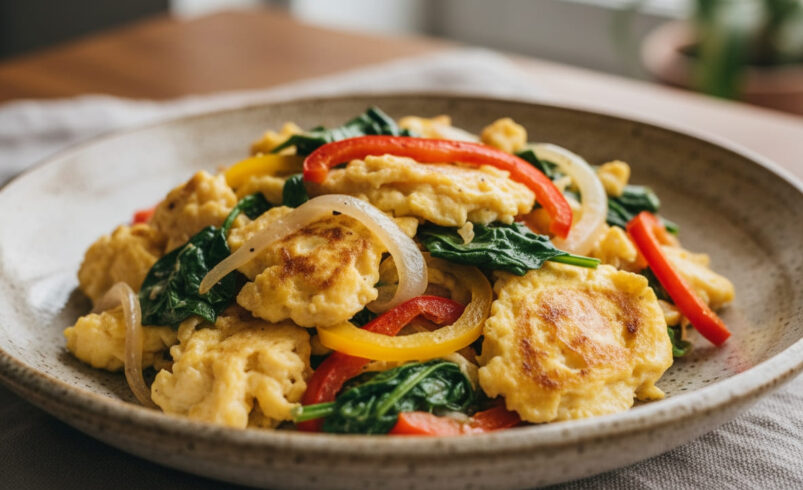
These veggie-loaded scrambled eggs are perfect for GLP-1 users who need a fast, gentle, high-protein breakfast when appetite is low.
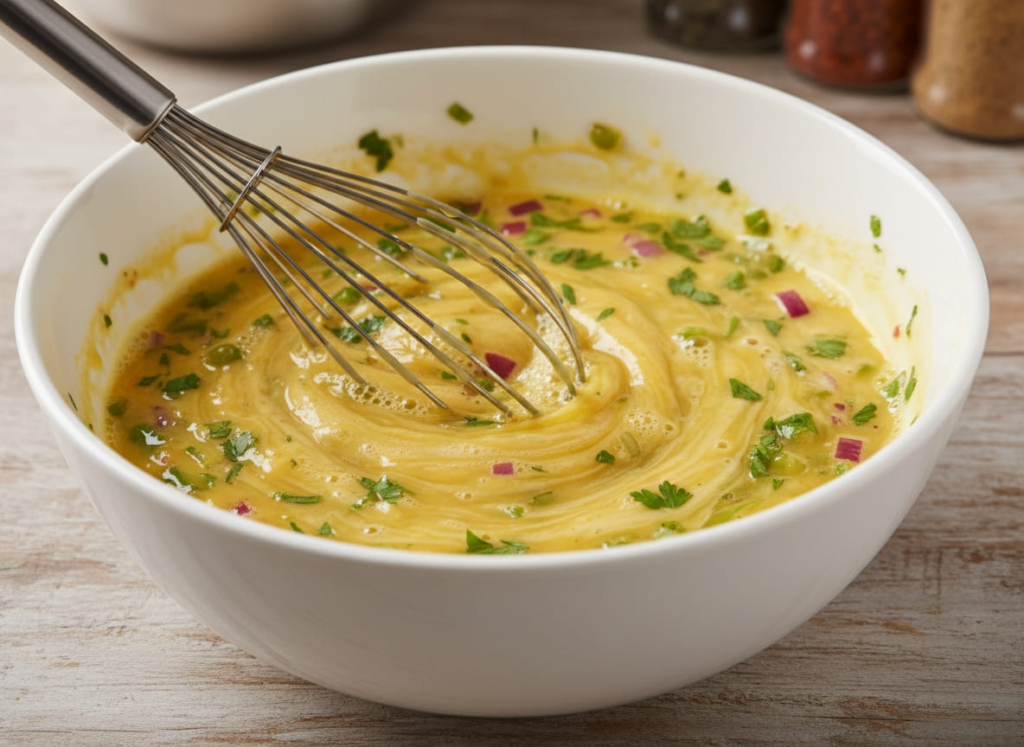
What’s the fastest high-protein breakfast you can make while on GLP-1 weight loss medications? These veggie-loaded scrambled eggs deliver 21g of protein in under 10 minutes, with a soft texture that’s easy on sensitive stomachs. Customize the vegetables based on what sounds good that morning, so you always get the nutrition you need without forcing foods that don’t appeal.
Quick Recipe Info:
There was this Wednesday morning about a month into my GLP-1 weight loss journey when I stood in front of my fridge staring at all the meal-prepped containers, and everything looked wrong.
The overnight oats felt too sweet, the egg muffins too cold. My stomach was doing that thing where nothing sounded appealing, but I knew I needed protein. That’s when I turned to scrambled eggs with whatever vegetables were in the crisper drawer.
Here’s what makes scrambled eggs work on GLP-1s: they’re ridiculously forgiving and fast. The soft texture goes down easy when chewing feels like work, they cook in under 10 minutes, and you can customize based on what your body tolerates that day.
Plus, the vegetables bulk up the plate visually without adding much volume to your stomach, which matters when you need food to look satisfying even though you can’t eat much.
Table of Contents
Toggle
Per Serving
Fresh-cooked scrambled eggs deliver something meal prep can’t match: warmth and the ability to customize based on exactly how you’re feeling that morning. When bell peppers sound good, add them. When they don’t, skip them. The eggs alone deliver the protein you need.
21 grams of protein in 10 minutes total is efficient. When cooking feels impossible due to fatigue or nausea, knowing you can make something this nutritious this quickly removes a major barrier to eating well.
The vegetables cook down significantly. That half-cup of raw spinach becomes just a few tablespoons when wilted, meaning you get nutrients and fiber without the volume that might make you uncomfortably full.
The soft, creamy texture is gentle on sensitive stomachs, unlike crispy or crunchy foods that require a lot of chewing. So you can make this your go-to breakfast on days when you’re experiencing GLP-1 nausea.
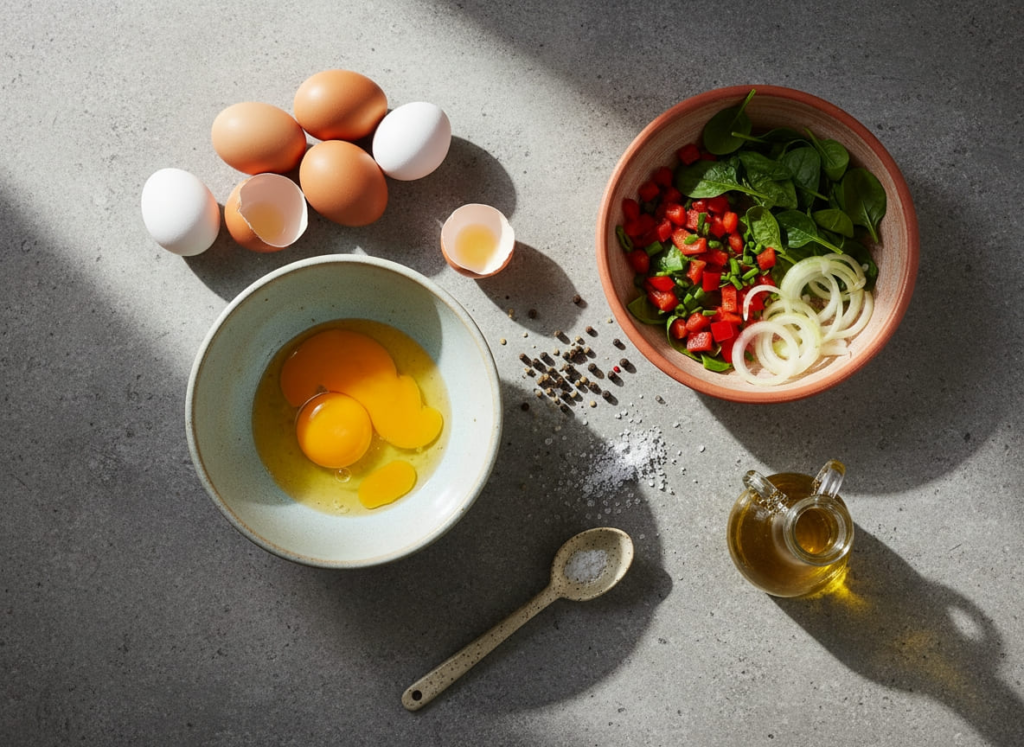
6 large eggs provide 36 grams of complete protein (18g per serving) that your body can efficiently use for muscle maintenance. Beyond protein, eggs supply choline for brain health, vitamin D, and B vitamins for energy metabolism. These nutrients become especially important when you’re eating less food overall. The healthy fats in egg yolks help with absorption of fat-soluble vitamins from the vegetables.
Baby spinach wilts down to almost nothing but delivers iron, folate, and magnesium. The mild flavor disappears into the eggs, making it an easy way to add greens when you’re not excited about vegetables. Cooked spinach is easier to digest than raw, especially when your digestion is slower on GLP-1s.
The slight acidity can actually help cut through nausea for some people, though others find acidic foods trigger discomfort. Pay attention to your body’s response. They cook quickly and burst slightly when heated, releasing juices that make the scramble more flavorful.
Cook Over Lower Heat
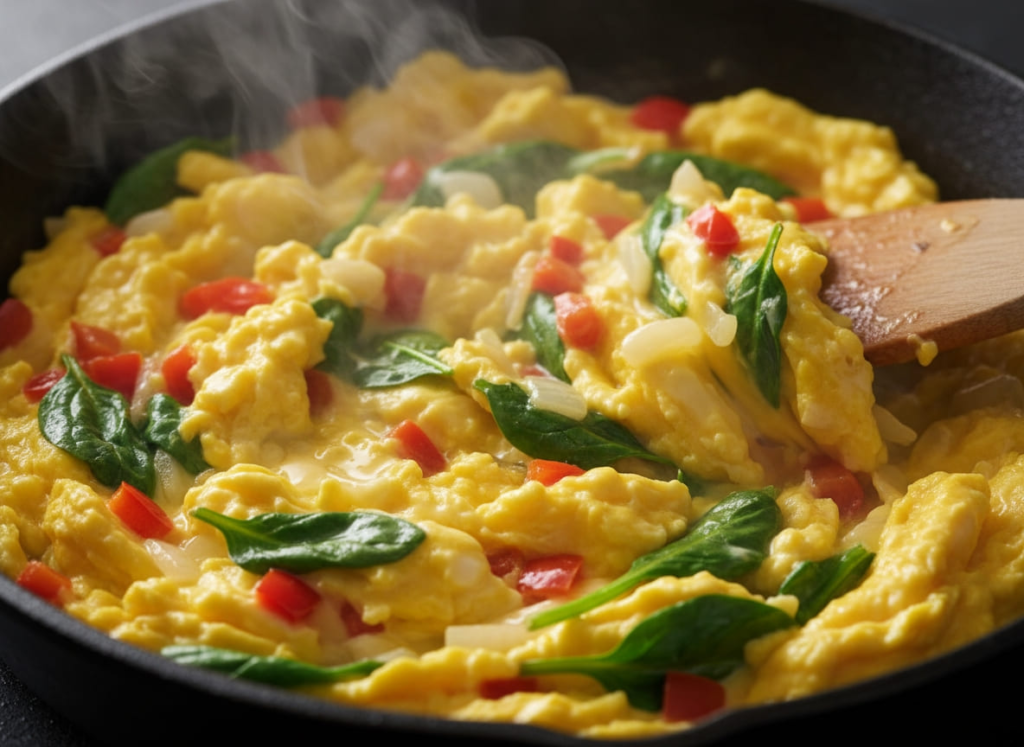
Resist the urge to crank up the heat. Low and slow creates creamier, softer scrambled eggs that are easier on sensitive stomachs. High heat makes rubbery eggs that are harder to digest.
Don’t Overcook
Remove the pan from heat when the eggs still look slightly wet. They’ll continue cooking from residual heat. Overcooked eggs become dry and harder to swallow, especially when you’re dealing with nausea.
Start with Half a Portion
If you’re uncertain about your appetite, make the full recipe but only plate half. You can always eat more in 20-30 minutes if you’re still hungry. Eating too much at once can trigger discomfort on GLP-1s.
Skip Ingredients That Don’t Sound Good
If tomatoes sound unappealing today, leave them out. If onions bother your stomach, skip them. The eggs provide the protein. Vegetables are bonuses you can adjust based on tolerance. See: 30 Best Foods to Eat on GLP-1 (Complete Guide)
Add Hot Sauce Carefully
Some people find a little hot sauce or salsa helps with nausea. Others find spicy food makes it worse. Start with a tiny amount and see how your body responds.
Eat Slowly
Take your time. Put your fork down between bites. Eating too quickly can overwhelm your slowed digestive system and trigger discomfort. Aim for at least 15-20 minutes to finish your portion.
Refrigerator: Scrambled eggs can be stored in an airtight container for up to 3 days, but they’re honestly best eaten fresh. The texture changes when reheated and becomes less appealing.
Reheating: Microwave on 50% power for 30-45 seconds, stirring halfway through. This prevents the eggs from becoming rubbery. Add a splash of milk to restore moisture.
Prep Strategy: While scrambled eggs are best fresh, you can prep the vegetables in advance. Dice all vegetables on Sunday and store in containers. Each morning, you only need to crack eggs and cook, cutting prep time to under 5 minutes.
Not Freezer-Friendly: Scrambled eggs don’t freeze well. The texture becomes watery and grainy when thawed. This is a fresh-cooking recipe.
Are scrambled eggs good for Ozempic users?
Yes. Scrambled eggs are excellent for people on GLP-1 medications. They’re high in protein, easy to digest, quick to prepare, and gentle on sensitive stomachs. The soft texture makes them easy to swallow when you’re dealing with reduced appetite or nausea.
How can I make scrambled eggs more protein-rich?
Add an extra egg or two to the recipe. Each additional egg adds 6 grams of protein. You can also add a tablespoon of cottage cheese to the egg mixture before cooking, which adds protein and makes the eggs creamier.
Why are my scrambled eggs watery?
Either the heat was too high (which causes eggs to release water), or you didn’t cook them long enough. Cook over medium-low heat and stir gently. The eggs should form soft curds without excess liquid pooling in the pan.
Can I use egg whites only?
You can, but you’ll lose nutrients and flavor. Egg yolks contain most of the vitamins, minerals, and healthy fats. If you’re concerned about cholesterol, current research shows that dietary cholesterol has minimal impact on blood cholesterol for most people. Consult your doctor if you have specific concerns.
What vegetables work best?
Stick with quick-cooking vegetables like spinach, tomatoes, bell peppers, mushrooms, and zucchini. Avoid hard vegetables like raw broccoli or carrots that take longer to cook and require more chewing. The goal is soft, easy-to-eat vegetables.
Can I make these ahead for meal prep?
While possible, scrambled eggs are really best fresh. The texture degrades significantly when stored and reheated. If you need make-ahead eggs, the Spinach & Feta Egg Muffins recipe is a better option.

Have you tried this recipe? Share your experience in the comments below and let us know how it worked with your GLP-1 journey!