Greek Yogurt Cheesecake Cups (GLP-1 High-Protein Dessert)
- February 3, 2026
- 0
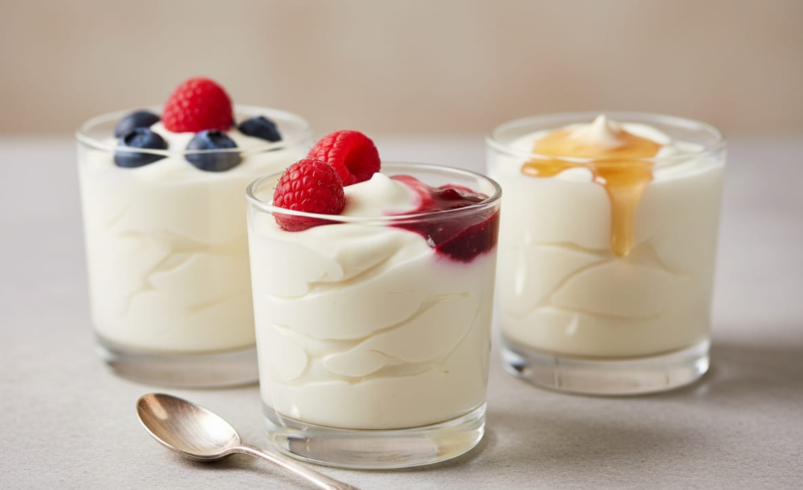
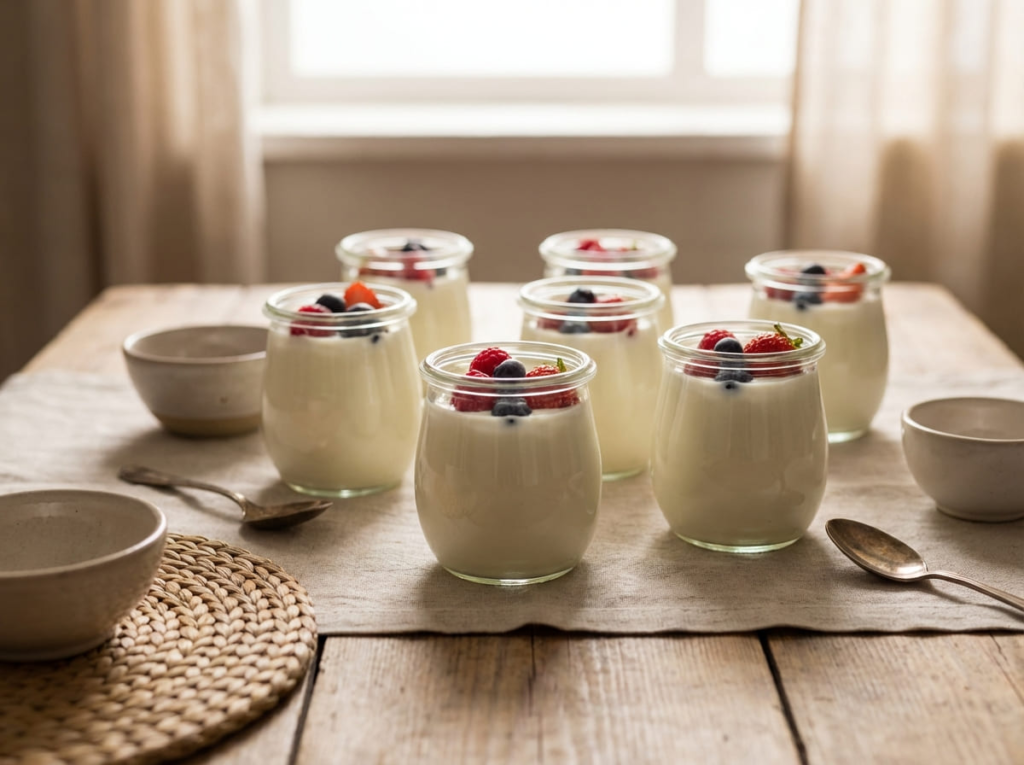
These Greek yogurt cheesecake cups deliver classic cheesecake flavor in a lighter, protein-forward format that works well for GLP-1 diets.
Want a dessert that actually helps you reach protein targets on semaglutide or tirzepatide? These Greek yogurt cheesecake cups deliver about 15g of protein per serving in a cold, creamy texture that’s easier to digest than traditional cheesecake. Prep once, refrigerate, and you have ready-to-eat portions all week.
Quick Recipe Info:
These Greek yogurt cheesecake cups taste like actual cheesecake, rich and creamy with that tangy flavor you expect, but they’re built completely differently. No heavy cream cheese, no butter-loaded crust, and most importantly, no feeling like you need to lie down after eating one – perfect for a GLP-1 weight loss meal plan.
Each cup gives you 15 grams of protein, which is more than a lot of my actual meals these days. The portions are perfect when you’re working with a reduced appetite. You eat one cup, you’re satisfied, and you’re done. There’s no temptation to keep eating because the serving size actually matches what your body can handle now.
I keep these in the fridge all week. Sometimes I’ll eat one for breakfast when sweet foods sound better than savory. Other times they’re my evening dessert. The flexibility is part of what makes them so practical.
Table of Contents
Toggle
Per Cup
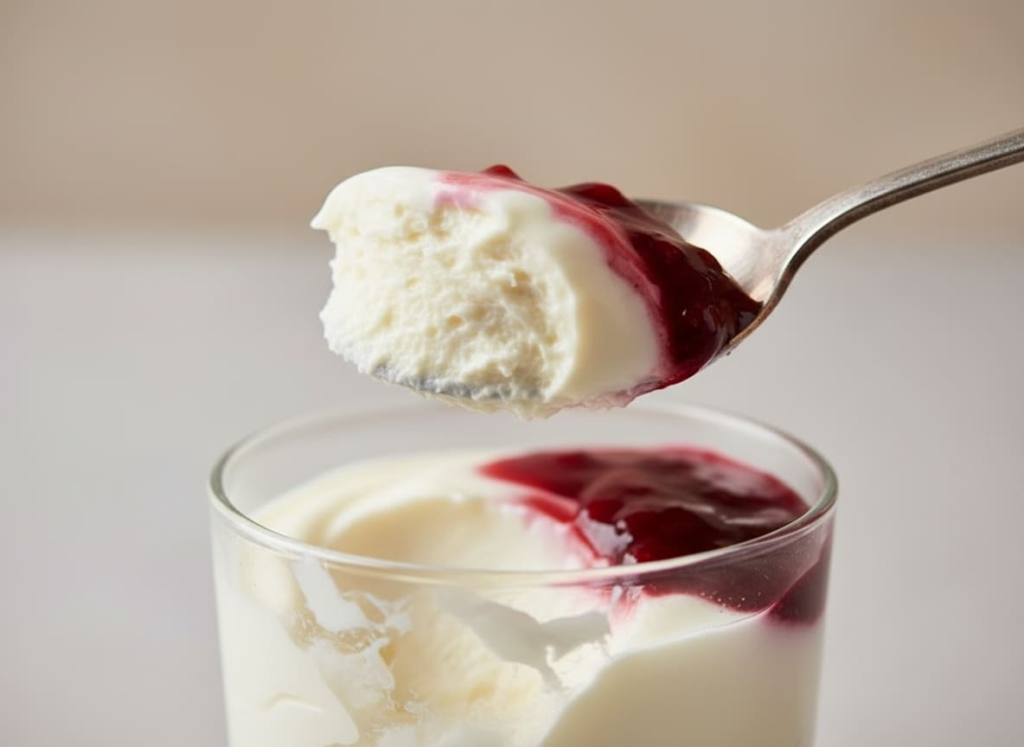
The texture of these cheesecake cups is what makes them work so well when you’re on semaglutide or tirzepatide. They’re smooth and creamy, which means they go down easily even on days when your stomach is being difficult or you’re experiencing GLP-1 nausea. There’s nothing heavy or dense about them, despite tasting rich.
I’ve noticed that cold, creamy foods tend to be easier to tolerate than hot, heavy meals, especially in the morning or when nausea is worse. These cups check both boxes. The cool temperature is actually soothing, and the creamy texture doesn’t require much chewing or effort to eat.
The protein content is legitimately impressive for a dessert. Fifteen grams is what you’d get from two eggs or a small chicken breast, but packaged in a way that feels like a treat rather than a chore. When eating feels like work, that distinction matters more than you’d think.
The portion control is built right in. Each cup is its own serving, so there’s no guessing or measuring. You take one out of the fridge, eat it slowly, and you’re done. On medication that slows your digestion, this kind of automatic portion control prevents the uncomfortable fullness that comes from eating too much.
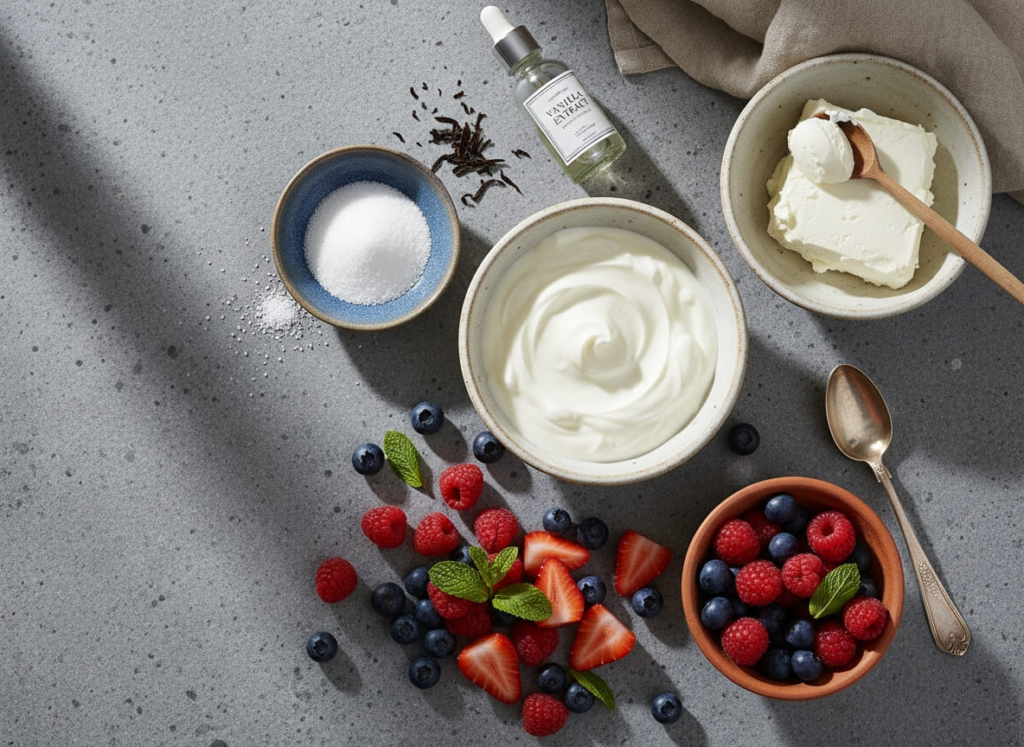
This is the base of the entire recipe and what makes these cups so protein-rich. Greek yogurt has roughly twice the protein of regular yogurt because they strain out most of the liquid whey. I use 2% or full-fat Greek yogurt because non-fat versions can make the texture grainy and less satisfying. The small amount of fat actually helps with satiety and makes these more enjoyable to eat.
The tanginess of Greek yogurt mimics the flavor of traditional cheesecake without needing tons of cream cheese. It’s also naturally easier to digest than heavy cream, which matters when your digestion is already slowed by medication.
A little cream cheese goes a long way here. It adds that classic cheesecake richness and helps the mixture set properly. Light cream cheese cuts some calories and fat while still giving you the flavor you want. I’ve tried making these with all Greek yogurt and no cream cheese, and they taste too much like yogurt. The cream cheese makes them taste like actual dessert.
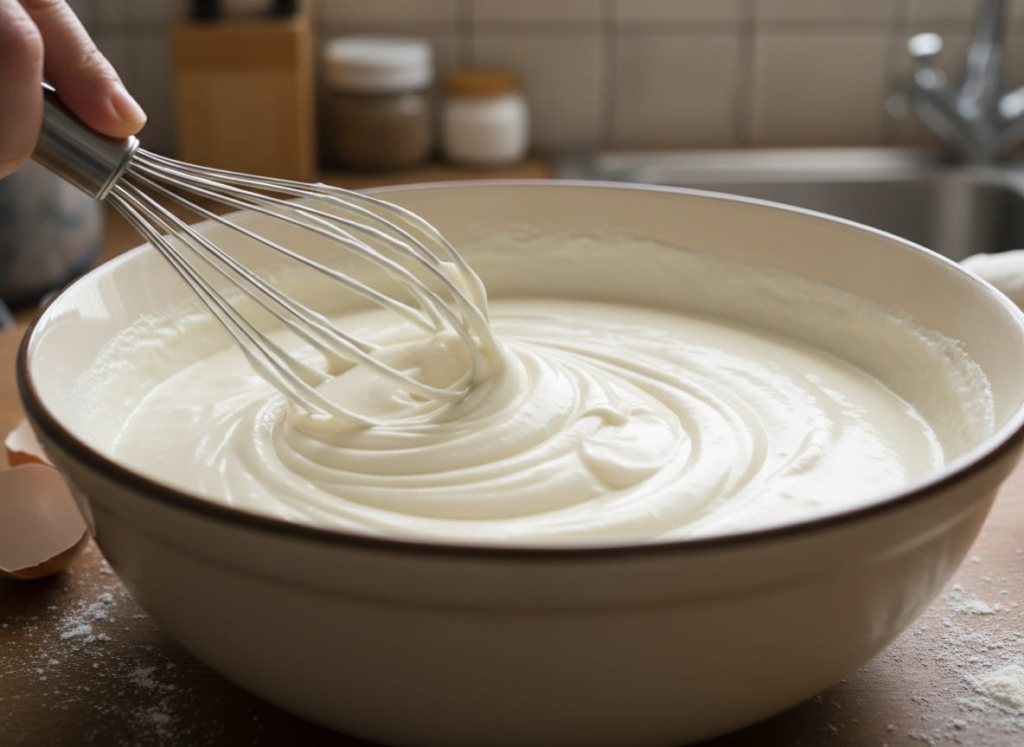
This is what transforms the mixture from liquid to a firm, sliceable texture. Unflavored gelatin is flavorless and adds a tiny bit of protein (about 6 grams total for the whole recipe). The key is blooming it properly in cold water first, then melting it completely before adding. Otherwise you’ll get clumps, and nobody wants that.
Temperature matters: These taste best cold, straight from the fridge. If you’re dealing with nausea, the cool temperature can be really soothing. I’ve even eaten them partially frozen on rough days, and they’re kind of like frozen yogurt.
Eat slowly and mindfully: I know I sound like a broken record, but this applies to everything when you’re on GLP-1s. Take small spoonfuls, put the spoon down between bites, and give yourself 15-20 minutes to finish one cup. Your slowed digestion will thank you.
Adjust sweetness to your tolerance: Some weeks, the honey tastes perfect. Other weeks, it’s too sweet and makes me feel slightly nauseous. If you’re having one of those weeks, reduce the honey to 1/4 cup or use a bit of stevia instead. Your taste buds change on these medications, so don’t be afraid to adjust.
Skip toppings if needed: The berries and extra honey are completely optional. When I’m not feeling great, I eat these plain and they’re still delicious. Sometimes simpler is better.
Consider timing: I find these easiest to eat in the morning or early afternoon. By evening, especially if I’ve had a decent lunch, even small desserts can feel like too much. Pay attention to when your appetite is best and plan accordingly.
Make them in advance: These actually taste better after sitting in the fridge overnight. The flavors meld together and the texture becomes perfectly creamy. I usually make a batch on Sunday for the week ahead.
Refrigerator Storage: These keep beautifully in the fridge for up to 5 days. I make six cups at once and have dessert sorted for most of the week. Use containers with lids or cover tightly with plastic wrap to prevent them from absorbing other fridge odors.
Mason Jar Method: I’m obsessed with making these in small mason jars with screw-top lids. They stack neatly in the fridge, travel well if you need to bring one to work, and the portion size is perfect. Plus you can see the layers if you add fruit, which makes them feel fancier.
Freezing: Technically you can freeze these for up to a month, but the texture changes slightly when thawed. They become a bit more grainy. If you do freeze them, thaw overnight in the fridge and give them a good stir before eating.
Topping Strategy: Add fresh fruit right before eating, not when you first make them. If berries sit on top for days, they’ll get mushy and release liquid. I keep a container of washed berries in the fridge and add them as needed.
Can I use non-fat Greek yogurt for this GLP-1 dessert?
You can, but I don’t recommend it. Non-fat Greek yogurt creates a less creamy texture and can taste a bit chalky. The small amount of fat in 2% yogurt makes a big difference in both taste and satisfaction. When you’re eating small portions anyway, those few grams of fat aren’t worth worrying about.
What if I don’t have gelatin?
Without gelatin, these won’t set properly and will be more like a thick yogurt mixture. You could try using agar agar (use half the amount of gelatin called for), but I haven’t tested that substitution personally. The gelatin really is important for the cheesecake texture.
Are these too rich for sensitive stomachs?
I find them gentle and easy to digest, but everyone’s different. If you’re worried, start with half a cup and see how you feel. The combination of yogurt and light cream cheese is much easier on your stomach than traditional cheesecake made with heavy cream and full-fat cream cheese.
Can I make these with different flavors?
Absolutely. I’ve added 2 tablespoons of cocoa powder for chocolate cheesecake cups, used almond extract instead of vanilla for an almond version, and mixed in 1/4 cup of pureed strawberries. Just keep in mind that adding wet ingredients might require slightly more gelatin.
How much protein do I really need on GLP-1 medications?
Most research suggests 0.7-1 gram per pound of body weight to preserve muscle during weight loss. These cheesecake cups help you get there without having to force down another chicken breast. One cup gives you 15 grams, which is a solid contribution to your daily goal.
Why are mine watery or not setting?
The gelatin probably wasn’t fully dissolved or you didn’t let them chill long enough. Make sure the gelatin is completely liquid and clear before adding it to the mixture. Also, give them at least 2 full hours in the fridge, preferably longer.

Have you tried this recipe? Share your experience in the comments below and let us know how it worked with your GLP-1 journey!